

Mail Bin vs Traditional Mailbox: Which Offers Better Protection
image for illustrative purpose
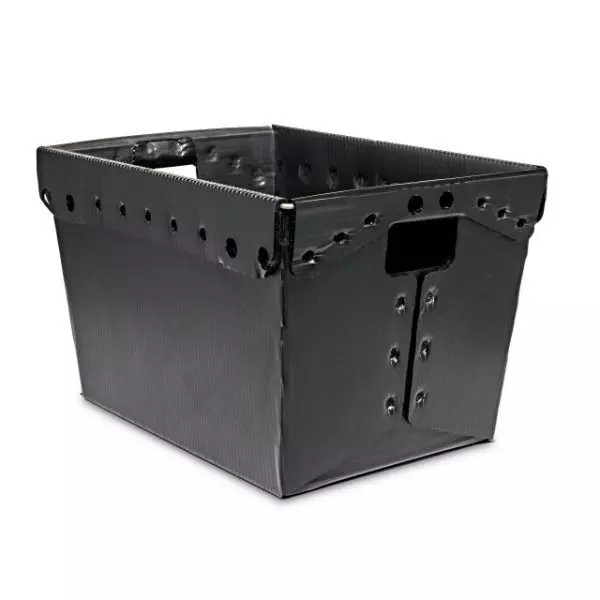
Protecting mail has become more important than ever. With rising package deliveries, sensitive documents, and concerns about theft or weather damage, homeowners and businesses are rethinking how they receive mail. Two common options stand out: the traditional mailbox and the modern mail bin. While both serve the same purpose, their ability to protect contents varies significantly. Knowing how they are different can help you pick the one that fits your needs the best.
Understanding the Traditional Mailbox
Traditional mailboxes have long been an iconic fixture. Mounted onto posts or walls and designed to accept letters, small envelopes, and occasionally light packages; traditional mailboxes offer simplicity while being easy to install, widely available, and often inexpensive.
Traditional mailboxes were developed during a time when mail volumes were low and package deliveries rare, thus providing little security - they can often be opened by anyone passing by and their thin metal or plastic construction provides minimal resistance against tampering attempts. Furthermore, weather exposure can damage documents stored within, leading to damaged letters or faded paperwork being exposed over time.
What Is a Mail Bin
A mail bin is a more modern solution designed to handle today’s delivery habits. Unlike a standard mailbox, a mail bin is larger, enclosed, and often lockable. It is built to receive not only letters but also small to medium packages without leaving them exposed.
Most designs focus on security and durability. Locking mechanisms prevent unauthorized access, while reinforced materials help protect against forced entry. A well-designed mail bin also limits how much can be seen from the outside, reducing the temptation for theft.
Protection Against Theft
Security-wise, the difference is clear between traditional mailboxes and secure containers: traditional boxes often lack locks preventing mail theft while even with locked units in place, their thin structure still leaves room for access by forceful thieves.
Mail bins have been specifically designed to address this challenge. With lockable lids, drop slots that prevent fishing, and heavy-duty construction all working together to secure mail until retrieval - ideal for households receiving checks, legal documents, or frequent deliveries this extra layer of security can make a noticeable difference in security levels.
Weather Resistance and Durability
Modern solutions excel in providing weather protection. Traditional mailboxes often allow moisture in during heavy rainfall or strong winds; over time this exposure to sunlight and temperature variations may result in cracking, rusting or warping over time.
Mail bins are typically designed with weather resistance in mind. Sealed lids, powder-coated finishes and durable materials help ensure their contents stay dry and intact - especially important documents or parcels which cannot be replaced quickly or cheaply.
Capacity and Convenience
Traditional mailboxes work well for basic letter delivery, but they struggle with larger volumes. Overflowing mail or packages left outside increase the risk of loss or damage.
A mail bin offers greater capacity and flexibility. Its larger interior allows multiple deliveries to be stored safely, reducing the need for daily retrieval. This is very useful for small businesses or homes that are busy and get packages often.
Which Option Offers Better Protection
While traditional mailboxes still serve a purpose, they fall short in today’s delivery environment. For basic letter mail and low-risk locations, they may be sufficient. However, for anyone concerned about theft, weather damage, or package security, a mail bin provides a more reliable solution.
By combining security features, durability, and increased capacity, mail bins align better with modern needs. Choosing the right option ultimately depends on how much protection you require, but for comprehensive mail safety, modern designs clearly offer the stronger defense.





