

Maduro Is gone, but fear still governs Venezuela
image for illustrative purpose
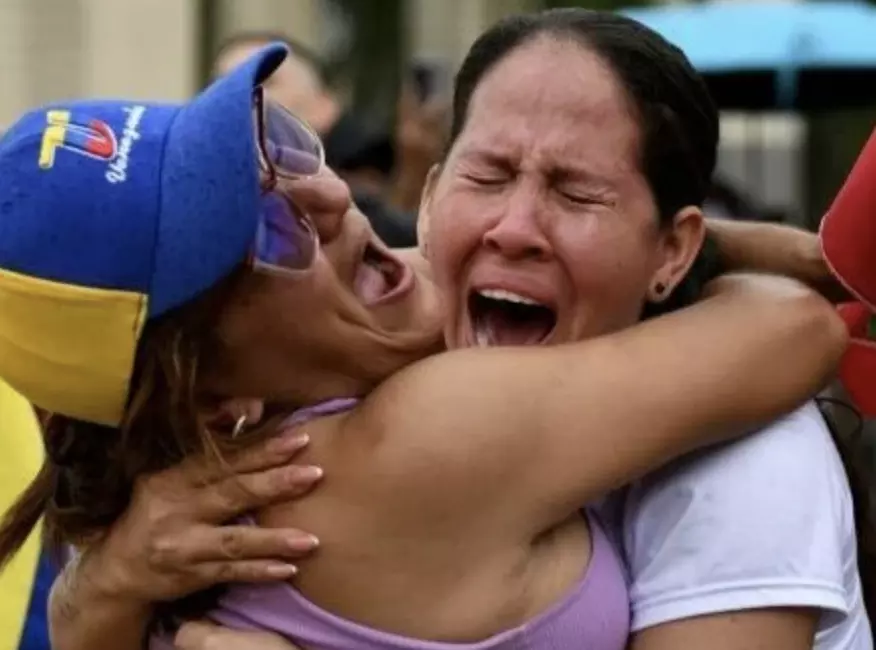
Although former Venezuelan President Nicolás Maduro has been removed from power and flown to the United States, many Venezuelans remain too afraid to celebrate. The reason, residents and analysts say, is simple: the repressive state machinery he built is still firmly in place.
Maduro was taken to New York by US special forces earlier this month, but his government largely survives him. Vice President Delcy Rodríguez was sworn in as interim president with the backing of US President Donald Trump, a move that has done little to ease public anxiety.
In Caracas and other cities, people are deleting messages, avoiding political conversations in public and censoring themselves on social media. Since the US attack, police have arrested at least four people for celebrating Maduro’s capture or mocking him online.
Authorities in several states cited charges such as “incitement to hatred” and “treason”. The arrests followed a government decree declaring a state of emergency, ordering security forces to hunt down anyone accused of supporting or promoting the US-led attack on Venezuela.
Screenshots of the decree have circulated widely, deepening fear among residents.
“The fear is that they will arrest you unjustly, accuse you of whatever they want and send you to prison,” said Mario, a Caracas resident interviewed by Al Jazeera. He said he avoids major roads to bypass security checkpoints and paramilitary colectivos, and no longer posts political content online.
Rodríguez’s past has further alarmed rights groups. As vice president, she assumed control of Venezuela’s intelligence agency, SEBIN, in 2018—during one of the most repressive periods of Maduro’s rule. The United Nations has accused SEBIN of torture, including at the notorious El Helicoide detention centre.
This week, Rodríguez appointed former SEBIN chief Gustavo Enrique González López to lead military counterintelligence. González López has been sanctioned by the US and linked by the UN to torture, extrajudicial killings and the controversial Liberation of the People (OLP) operations, which resulted in hundreds — possibly thousands — of deaths.
“This is not a good sign,” said Laura Cristina Dib of the Washington Office on Latin America, noting that the appointment signals continuity rather than reform.
Human rights advocates say the psychological impact of past crackdowns still weighs heavily on the population. Following the disputed 2024 election, Maduro’s government crushed protests with mass arrests and intimidation — a trauma many Venezuelans have not forgotten.
“The shock factor remains,” said Carlos Lusverti, a researcher at Andrés Bello Catholic University. “People fear the government could return to the same methods at any moment.”
For many, even private expression feels dangerous.
“It’s terrifying that you can be arrested just for having a meme on your phone,” said Viviana, a 31-year-old flower seller in Caracas. “That’s why people stay silent.”
Maduro may be gone, but for millions of Venezuelans, the fear he cultivated still governs daily life.





