

Iran war disrupts global energy supply, oil prices surge as Strait of Hormuz crisis deepens
Iran war disrupts global energy supply as oil prices surge over 25%. Strait of Hormuz crisis and shipping disruptions could push crude prices above $100.
Iran war disrupts global energy supply, oil prices surge as Strait of Hormuz crisis deepens
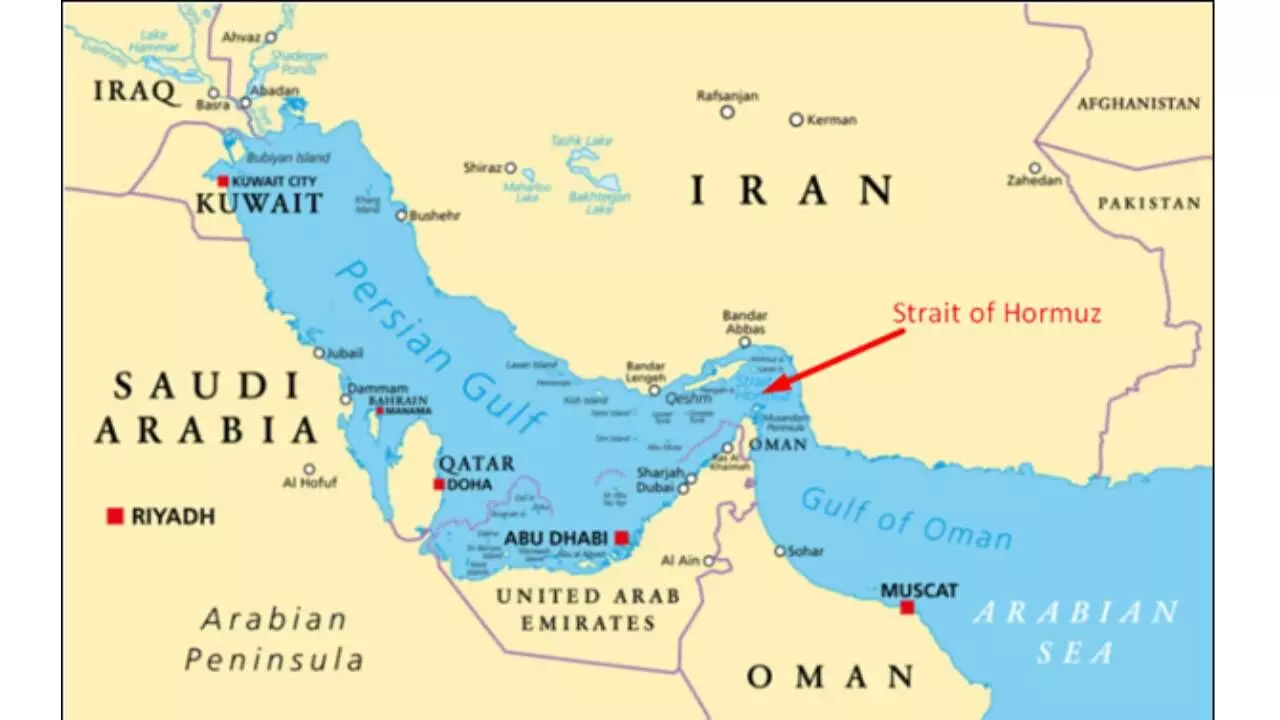
The ongoing United States-Israel conflict with Iran is sending shockwaves through global energy markets, with oil prices surging and nearly a fifth of the world’s crude oil and natural gas supply disrupted. Analysts warn that even if the war ends soon, the damage to infrastructure, shipping routes, and supply chains could keep fuel prices elevated for weeks or months.
Energy Markets Face Prolonged Disruption
The escalating conflict involving the United States, Israel, and Iran is threatening to create a prolonged shock to global energy markets. Now in its eighth day, the war has already disrupted a significant portion of the world’s oil and gas supply, pushing fuel prices higher and raising fears of wider economic consequences.
Energy analysts say the damage to oil infrastructure and the growing risks to shipping routes in the Middle East could take weeks or even months to resolve, even if the fighting stops quickly.
The crisis is already being felt by consumers and businesses worldwide as fuel prices rise and supply chains face growing uncertainty.
Oil Prices Surge Amid Supply Fears
Global oil prices have climbed sharply since the conflict began, rising more than 25 percent in a short period. The spike reflects growing fears of supply shortages as energy facilities across the region face shutdowns or operational disruptions.
In the United States, petrol prices have also surged. According to the American Automobile Association, the national average price for gasoline reached $3.41 per gallon, increasing by $0.43 in just one week.
Meanwhile, US crude oil prices settled at just under $91 per barrel, marking the largest weekly increase since records began in 1983. Investment bank Goldman Sachs has warned that oil prices could rise above $100 per barrel if shipping disruptions persist.
Strait of Hormuz Becomes Flashpoint
One of the biggest concerns for global markets is the situation in the Strait of Hormuz, a vital maritime corridor between Iran and Oman through which a significant portion of the world’s oil supply passes.
The conflict has reportedly led to attacks on shipping vessels and energy infrastructure in the region, forcing several major oil-producing countries to halt shipments through the strategic waterway.
Saudi Arabia, the United Arab Emirates, Iraq, and Kuwait have already suspended shipments of as much as 140 million barrels of oil—equivalent to about 1.4 days of global demand—due to the disruption.
With more than 80 percent of global trade transported by sea, any prolonged shutdown of the Strait of Hormuz could dramatically increase freight costs and delay international shipments.
Production Cuts Loom as Storage Fills
The halt in shipments has created another problem for oil producers in the Gulf region. Storage facilities are quickly filling up because oil cannot be transported to international markets.
As a result, several countries have begun reducing oil production. Iraq and Kuwait have already started cutting output, while analysts expect the United Arab Emirates may soon follow.
Industry sources warn that if oil tankers are unable to reach ports soon, even more producers may be forced to halt production altogether.
Economic Concerns Spread Worldwide
The potential economic fallout of the conflict is raising alarm among policymakers and economists across the globe.
Officials in developing economies have warned that rising energy prices could worsen inflation, strain government budgets, and increase economic instability.
Djibouti’s Finance Minister Ilyas M. Dawaleh warned that the conflict could bring severe economic consequences for developing countries, particularly those heavily dependent on maritime trade.
Meanwhile, Egypt’s President Abdel Fattah el-Sisi has warned that the country’s economy is in a “state of near-emergency” as inflation pressures mount.
Political Pressure Builds in the United States
The energy shock could also create political challenges in the United States, where rising fuel prices are a sensitive issue for voters.
With midterm elections approaching, higher gasoline costs could become a key concern for the administration as consumers feel the impact of rising energy bills.
Outlook for Energy Markets
Market analysts say the situation in the Middle East remains extremely volatile. If attacks on shipping lanes continue or energy infrastructure suffers further damage, oil prices could climb significantly higher.
Even if the conflict de-escalates soon, experts warn that repairing damaged facilities and restoring shipping routes will take time, meaning global energy markets could face weeks or months of instability.





