

Iran vows to keep Strait of Hormuz blocked as Gulf attacks escalate
Iran vows to keep the Strait of Hormuz blocked as Gulf ship attacks, Israeli strikes, and drone incidents escalate tensions across the Middle East.
Iran vows to keep Strait of Hormuz blocked as Gulf attacks escalate
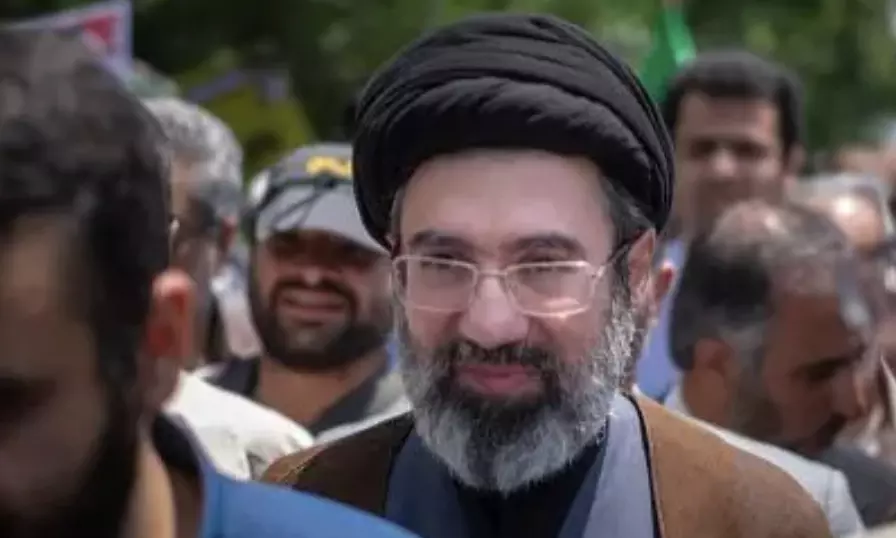
Iran has vowed to continue blocking the strategically vital Strait of Hormuz amid escalating conflict in the Middle East. Fresh drone and ship attacks in the Gulf, Israeli strikes across the region, and heightened military activity from Western forces signal a deepening regional crisis.
Iran has pledged to maintain its blockade of the crucial Strait of Hormuz, one of the world’s most important energy shipping routes, according to a statement broadcast on Iranian state television and attributed to the country’s new supreme leader, Mojtaba Khamenei.
The announcement comes amid escalating military confrontations across the Middle East, with attacks on commercial vessels, drone strikes across Gulf states, and ongoing clashes involving regional and global powers.
Strait of Hormuz Blockade Raises Global Concerns
The Strait of Hormuz, located between Iran and Oman, serves as a key passage for global oil and gas shipments. Roughly one-fifth of the world’s oil supply passes through the narrow waterway, making its closure a major concern for global energy markets and shipping.
Iran’s statement suggests that the country intends to keep the channel restricted as the conflict continues, raising fears of prolonged disruption to international trade and energy supplies.
Cargo Ships Attacked in the Gulf
Tensions have intensified after at least three additional cargo ships were reportedly attacked in the Gulf, with Iranian state media confirming that Iranian forces were responsible for at least one of the strikes.
The incidents follow earlier attacks on tankers and commercial vessels in the region, further disrupting maritime traffic and increasing the risk for international shipping companies operating in the area.
Israeli Strikes and Regional Casualties
Meanwhile, Israeli military operations have expanded beyond Iran. Israeli strikes reportedly killed several people in Lebanon, including at least eight victims in Beirut’s seafront area.
Residents described waking up to powerful explosions during the attacks. One witness said he woke “in a panic” as blasts shook the neighborhood.
Inside Iran, US-Israeli airstrikes targeting Tehran have reportedly hit checkpoints operated by the Basij, a volunteer militia known for its role in suppressing anti-government protests.
Drone Activity and Western Military Response
Military tensions have also spread to neighboring countries. According to John Healey, the UK’s Defence Secretary, British forces stationed in Erbil, Iraq, shot down two drones overnight.
Healey said the attacks bore similarities to tactics used by Vladimir Putin’s forces in the Russia–Ukraine War, suggesting a potential link between Iranian and Russian drone warfare strategies.
He added that while some drones were intercepted, several still impacted their targets and there have been reports of casualties among US personnel in the region.
Drone Strike Reported in Bahrain
Verified footage also showed a large fire at fuel storage tanks near the airport in Bahrain, reportedly caused by an Iranian drone strike.
Authorities later confirmed that the fire had been contained. Residents in the surrounding area were briefly advised to stay indoors as a precaution.
Uncertainty Over Iran’s New Supreme Leader
Amid the crisis, uncertainty surrounds the health and whereabouts of Iran’s newly appointed supreme leader, Mojtaba Khamenei.
He succeeded his father, Ali Khamenei, following his death in recent strikes. However, Mojtaba Khamenei has not appeared publicly or on state media since assuming power on March 8.
Reports suggest he may have been lightly injured, though official confirmation remains limited. According to Iranian state media, his mother and wife were also killed during the recent US-Israeli strikes.
Iran’s supreme leader is elected by the Assembly of Experts, a constitutional body composed of 88 members responsible for selecting and overseeing the country’s highest authority.
De-escalation Seen as Key to Reopening the Strait
Military planners warn that clearing the Strait of Hormuz could be extremely challenging if the conflict continues. UK Defence Secretary John Healey noted that mine-clearing operations in the region would be complex and dangerous, particularly if Iran has mined the waters.
He said the fastest way to reopen the strait would be through de-escalation, emphasizing the need for coordinated international efforts to prevent further escalation.
For now, the situation remains highly volatile, with global markets and governments closely watching developments in one of the world’s most strategically important regions.





