

Iran rejects ceasefire proposal as foreign minister Araqchi calls for complete end to war
Iran FM Abbas Araqchi rejects a ceasefire approach, saying the war must fully end to prevent future conflicts and confirming no communication with the United States.
Iran rejects ceasefire proposal as foreign minister Araqchi calls for complete end to war
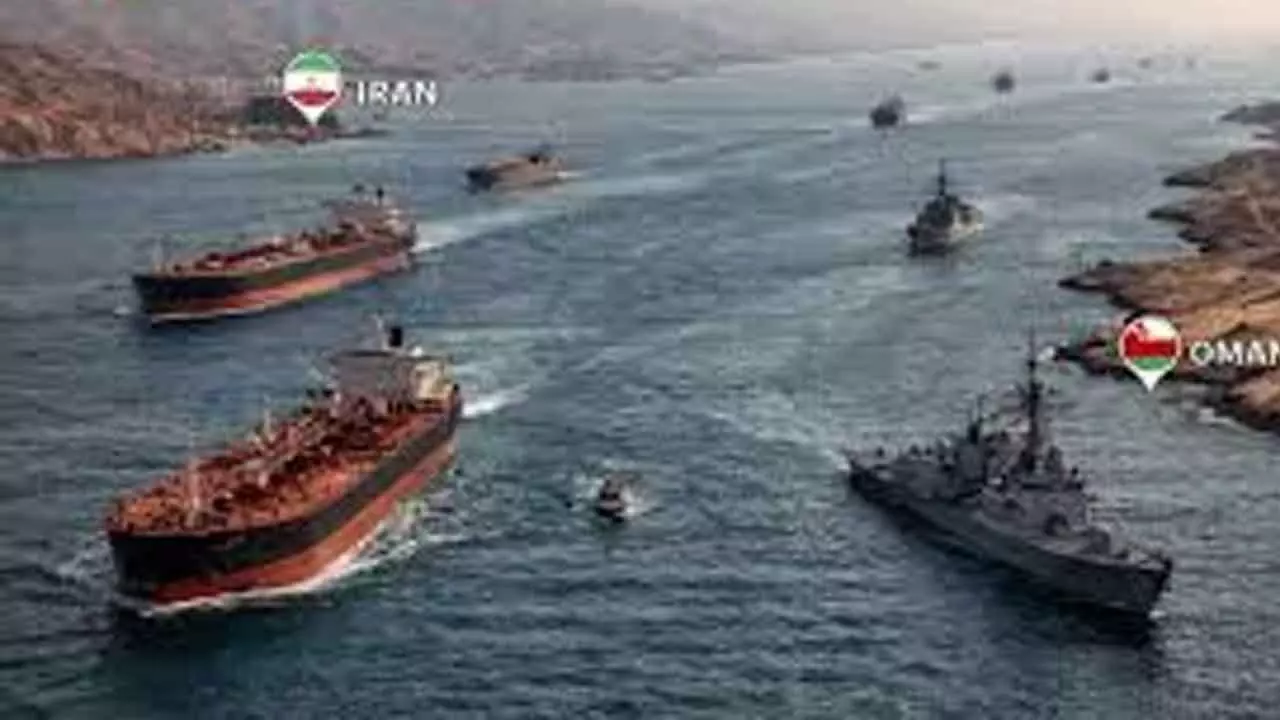
Abbas Araqchi, Foreign Minister of Iran, has stated that Tehran is not pursuing a temporary ceasefire in the ongoing regional conflict. Instead, Iran believes the war must end entirely to prevent future instability, while confirming that there has been no diplomatic communication with the United States regarding the current situation.
Iran Rejects Temporary Ceasefire Approach
Abbas Araqchi, the Foreign Minister of Iran, has clarified the country’s position on the ongoing regional conflict, stating that Tehran is not seeking a temporary ceasefire.
According to Araqchi, Iran’s focus is on achieving a complete and lasting end to the war, rather than implementing short-term pauses in hostilities.
His remarks underline Tehran’s view that ceasefires may only delay conflicts rather than resolve the deeper issues driving them.
Emphasis on Long-Term Stability
The Iranian diplomat stressed that a permanent conclusion to the war is necessary to prevent future conflicts in the region.
By rejecting a ceasefire approach, Iran appears to be prioritizing a strategy aimed at long-term stability and conflict resolution, rather than temporary peace arrangements that may allow tensions to re-emerge.
This stance reflects Tehran’s broader diplomatic narrative that sustainable peace requires addressing the root causes of the conflict.
No Direct Communication With the United States
Araqchi also confirmed that no communication has taken place between Iran and the United States regarding the current situation.
The absence of direct dialogue between Iran and the United States highlights the complex diplomatic environment surrounding the ongoing regional tensions.
Diplomatic Landscape Remains Uncertain
The statement indicates that formal diplomatic engagement between the two countries remains limited, potentially complicating international efforts to de-escalate the situation.
With tensions continuing in the region, the path toward conflict resolution may depend on multilateral diplomacy and broader geopolitical negotiations.
For now, Iran’s position signals a preference for a comprehensive resolution to the war rather than temporary ceasefire agreements.





