

Iran foreign minister says Supreme Leader, President are alive after U.S.–Israel strikes
Iran’s foreign minister says the supreme leader and president are alive after U.S.–Israel strikes, as Trump urges Iranians to rise against their government.
Iran foreign minister says Supreme Leader, President are alive after U.S.–Israel strikes
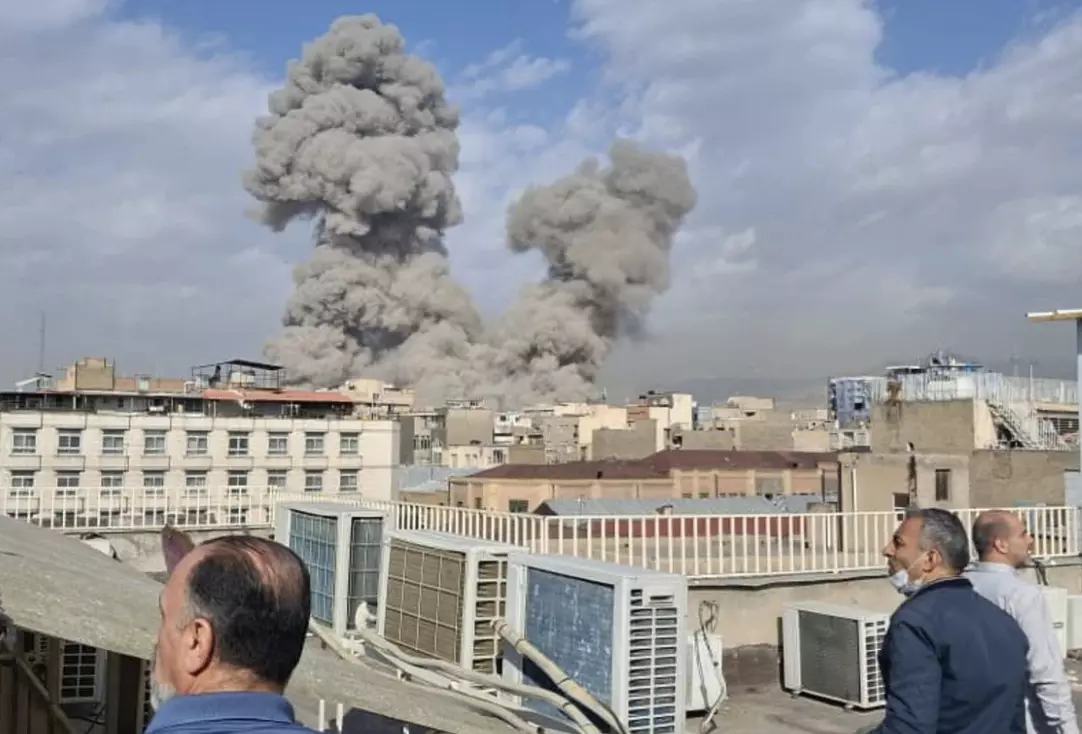
Iran’s foreign minister has said that Supreme Leader Ayatollah Ali Khamenei and the country’s president are alive “as far as I know,” following major U.S. and Israeli strikes, as President Donald Trump urges Iranians to rise against their rulers.
Iran’s foreign minister has said that the country’s top leadership remains alive following a major wave of U.S. and Israeli military strikes that hit multiple locations across Iran on Saturday, sharply escalating regional tensions.
Speaking amid widespread uncertainty over the damage and casualties, the foreign minister said Supreme Leader Ayatollah Ali Khamenei and Iran’s president were alive “as far as I know,” according to reports cited by Associated Press.
The strikes marked a dramatic escalation in U.S. involvement in Iran, coming as Donald Trump announced that American forces had joined Israel in launching major combat operations. In a public appeal, Trump urged Iranians to “seize control of your destiny” and rise up against the Islamic leadership that has ruled the country since 1979.
Early reports suggested that some of the initial strikes targeted areas close to the offices of Khamenei in Tehran. Iranian state media said attacks were reported across multiple provinces, with plumes of smoke visible over the capital. It was not immediately clear where the 86-year-old supreme leader was at the time of the strikes.
Iran responded within hours, launching missiles and drones toward Israel and U.S. military assets across the Middle East, including bases in the Gulf region. The retaliatory strikes raised fears of a wider regional conflict involving multiple state and non-state actors.
Trump defended the military action by accusing Iran of continuing to advance its nuclear programme and pursuing missile capabilities that could eventually threaten the United States. He also cited a long list of grievances dating back to the early years of the Islamic Republic to justify the operation.
The strikes represent the second time in eight months that the Trump administration has used direct military force against Iran, opening a new and volatile chapter in U.S.–Iran relations.
Meanwhile, the operation has sparked political backlash in Washington. U.S. House Democratic leader Hakeem Jeffries criticised the strikes, saying the president failed to seek congressional authorisation for what amounted to an act of war. While condemning Iran’s human rights record, nuclear ambitions and support for armed groups, Jeffries warned that the attacks had left American troops exposed to retaliatory action.
As exchanges of fire continue and official information remains limited, the situation is evolving rapidly, with governments and markets worldwide closely watching for signs of further escalation or a push toward diplomacy.





