

India Fast-Tracks Major Economic Reforms to Counter Impact of US Tariffs
India fast-tracks major economic reforms, including nuclear sector liberalisation and full FDI in insurance, to protect its economy from US tariffs and boost long-term growth.
Parliament approves key economic reforms as India accelerates efforts to counter US tariffs and attract global investments.
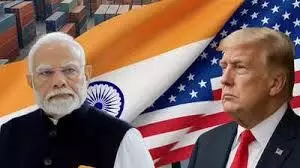
India has accelerated key economic reforms as the government moves to shield the economy from the fallout of steep US tariffs and boost long-term growth. In the final parliamentary session of the year, Prime Minister Narendra Modi’s administration pushed through a series of landmark bills aimed at modernising the country’s trade and investment framework.
Parliament cleared legislation allowing private sector participation in nuclear energy, permitting 100% foreign ownership in insurance companies, and introducing a unified securities market code designed to streamline and modernise India’s market regulations. According to officials, these reforms are expected to unlock significant investment inflows and advance India’s mission of achieving developed-nation status by 2047.
Industry groups have welcomed the changes, with the Adani Group already planning a commercial nuclear project in northern India, Bloomberg reported.
The Modi government has shown renewed urgency in recent months, rolling out consumption tax cuts, updated labour codes, and fast-tracking trade negotiations. These moves aim to soften the blow of US President Donald Trump’s 50% tariff hike, which has hit Indian exports and weakened the rupee to record lows. India also signed a free trade agreement with Oman this week, its second FTA of the year after one with the UK.
Economists expect India’s growth momentum to improve in 2026, projecting a 6.9% expansion, though still short of the 8% annual growth needed for India to reach its 2047 goals.
Meanwhile, export-heavy states like Tamil Nadu have raised concerns about the severe impact of US tariffs on local industries such as textiles, footwear, and electronics. The state has warned of “irreparable damage” and daily losses running into hundreds of millions of dollars.
This winter session also emerged as the most productive in five years, with 61.7 hours spent on legislative work and eight key bills passed by both Houses. The government’s decisive action has bolstered the BJP’s position ahead of crucial state elections next year and strengthened its stance against an increasingly vocal opposition.





