

Day Three of US–Israeli Attacks on Iran: What we know as conflict spreads across the Gulf
Day three of the US–Israeli attacks on Iran sees explosions across the Gulf, rising casualties and airspace closures as Tehran intensifies retaliatory strikes.
Day Three of US–Israeli Attacks on Iran: What we know as conflict spreads across the Gulf
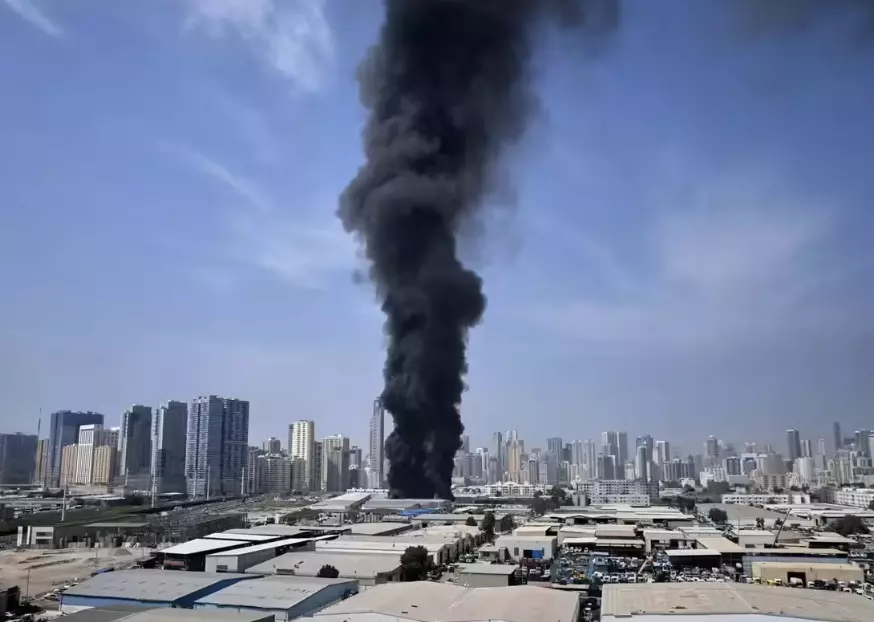
On the third day of the US–Israeli military campaign against Iran, the conflict has widened dramatically across the Middle East. A day after the killing of Iran’s Supreme Leader Ayatollah Ali Khamenei was confirmed, Iran has intensified retaliatory strikes on US and allied assets across the Gulf, triggering explosions, airspace closures and mounting civilian and military casualties.
The confrontation between United States, Israel and Iran entered its third day on Monday, with violence spreading across multiple countries in the Middle East. The escalation follows confirmation that Iran’s Supreme Leader, Ayatollah Ali Khamenei, was killed during joint US–Israeli strikes over the weekend.
The US and Israel launched coordinated attacks on Iran on Saturday, even as nuclear negotiations between Washington and Tehran were ongoing. Iran responded within hours, firing missiles and deploying drones against targets in Israel and against US military assets and strategic facilities across the Gulf region.
Developments inside Iran
Iranian media reported heavy casualties in several cities. The semi-official Mehr news agency said more than 20 people were killed in an attack on Tehran’s Niloofar Square. Separately, the Fars news agency reported that at least two people were killed in an “enemy attack” on the western city of Sanandaj.
US President Donald Trump claimed in a television interview that the joint operation had killed dozens of senior Iranian leaders. Meanwhile, Australia signalled caution, with Foreign Minister Penny Wong stating that Canberra does not plan to join the US–Israeli military campaign.
Explosions and strikes across the Gulf
Fresh explosions were reported on Monday morning in Abu Dhabi and Doha, as Iran continued retaliatory strikes against US-linked assets. Qatar said Iranian missiles hit two energy-related sites, though no casualties were reported. The country’s defence ministry confirmed it is now deploying fighter jets, in addition to Patriot missile systems, to intercept incoming threats over Gulf waters.
In Oman, the Maritime Security Centre said an oil tanker, MKD VYOM, was attacked by an explosive-laden boat about 52 nautical miles off Muscat’s coast, triggering a fire and engine-room explosion that killed at least one crew member.
Kuwait’s military said its air defences intercepted multiple hostile aerial targets over central parts of the country. Smoke was reported near the US Embassy in Kuwait City, while falling debris caused minor injuries to two workers at the Mina al-Ahmadi refinery. Verified videos showed dense smoke rising from al-Jahra city after a jet was seen crashing nearby.
Bahrain also reported damage from intercepted missiles. Authorities said falling debris caused a fire on a foreign vessel in the Salman industrial zone, prompting air raid alerts and instructions for residents to seek shelter.
Qatar Airways confirmed that all flights remain suspended due to the continued closure of the country’s airspace.
Situation in Israel and the United States
The Israeli military said Iran launched additional missiles towards Israel, with air defence systems actively intercepting incoming threats.
In Washington, US Defense Secretary Pete Hegseth is expected to address the media, marking the first senior-level briefing since the strikes began. The US military confirmed that three American service members were killed during operations against Iran — the first US casualties of the conflict. President Trump has vowed retaliation and warned that military operations will continue until all stated objectives are met.
Wider regional fallout
The conflict has spilled into neighbouring countries. Israeli air raids struck southern suburbs of Beirut and areas in southern Lebanon, killing at least 31 people and injuring dozens, according to Lebanese authorities. Hezbollah has launched attacks on northern Israel in response.
In Syria, debris from an Iranian missile injured a man and his three daughters near Damascus, while air raid sirens were reported in Jordan’s coastal city of Aqaba. Jordanian authorities announced daily airspace closures until further notice, citing security risks.
As the war enters its third day, governments across the region are tightening security, suspending air travel and bracing for further escalation, raising fears of a prolonged and wider regional conflict.





