

Colombia on alert for possible refugee surge after US strikes in Venezuela
image for illustrative purpose
Colombia has stepped up security and humanitarian preparations along its border with Venezuela amid fears of a new refugee influx following US airstrikes and the reported abduction of Venezuelan President Nicolás Maduro.
Defence Minister Pedro Sánchez said on Sunday that 30,000 Colombian troops had been deployed to reinforce the 2,200km-long border, citing concerns over instability and potential reprisals by armed groups operating in the region. Emergency measures have also been activated to support civilians who may attempt to flee Venezuela.
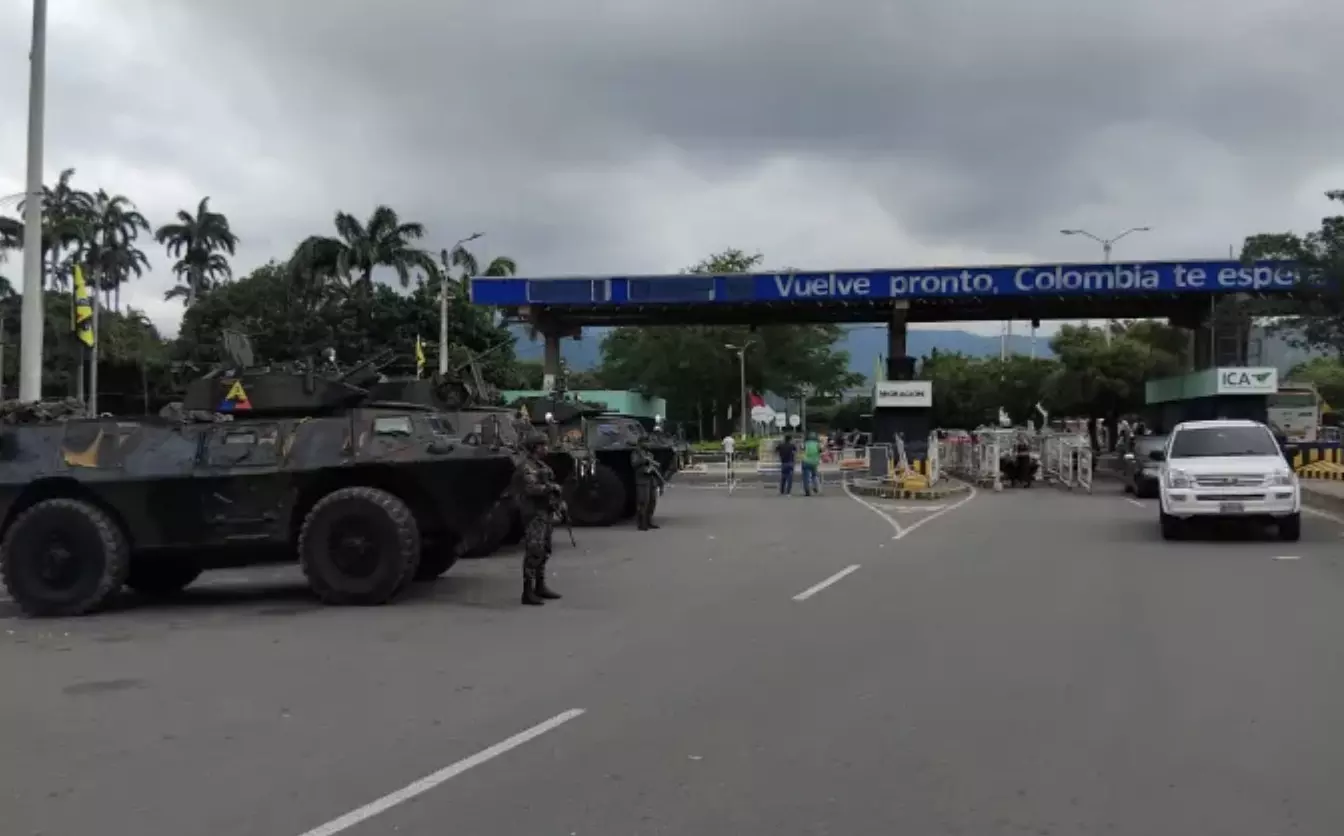
At the Simón Bolívar International Bridge near the border city of Cúcuta, traffic continued to move normally on Monday, though security was visibly heightened with Colombian M1117 armoured vehicles stationed nearby. Despite the calm, uncertainty hangs over the region after US President Donald Trump warned of further military action if interim Venezuelan leader Delcy Rodríguez fails to comply with US demands.
Sánchez said security forces were on high alert to prevent retaliation by armed groups such as the National Liberation Army (ELN) and Segunda Marquetalia, a FARC dissident faction that has long operated from Venezuelan territory. Colombian intelligence officials have warned that the fall of Maduro could prompt armed group leaders to return to Colombia, where they may face renewed pressure from the military.
Alongside security measures, the government has established five emergency command posts in border cities to coordinate humanitarian assistance in the event of mass displacement. President Gustavo Petro has also sent Equality and Equity Minister Juan Carlos Florián to Cúcuta to assess preparedness on the ground.
“We have implemented a ‘border plan’ to coordinate the national government’s response in the event of a migratory crisis caused by US military intervention in our brother country, Venezuela,” Florián told Al Jazeera. He said officials are reviewing food stocks, healthcare capacity and other essential resources with local authorities.
With support from the International Organization for Migration, Colombia is activating 17 centres nationwide to assist migrants and refugees with food, education, job training and protection services. While there has been no significant increase in crossings so far, officials estimate that up to 1.7 million people could eventually seek refuge. Colombia already hosts around three million Venezuelans—the largest share of the eight million who have left the country.
Humanitarian groups are also bracing for a possible surge. The Colombian Red Cross has activated an emergency response plan in Norte de Santander, using initial funding of 88,000 Swiss francs (about $111,000) from the UN’s Central Emergency Response Fund to expand aid capacity near the border.
“For now, the situation is normal,” said Juan Carlos Torres, the Red Cross’s disaster risk management director in the region. “But over the coming days, things could change.”
On Monday afternoon, Venezuelan residents continued to cross the bridge as usual, uncertain about what lies ahead. “Everything seems calm for now,” said Mary Esperaza, 50, as she entered Colombia from Venezuela. “But we don’t know what will happen tomorrow.”





