

Can rapper-turned-leader Balen Shah transform Nepal’s politics?
Rapper-turned-leader Balen Shah is poised to become Nepal’s PM. Supporters see reform, but critics question whether the Gen Z icon can truly transform Nepal.
Can rapper-turned-leader Balen Shah transform Nepal’s politics?
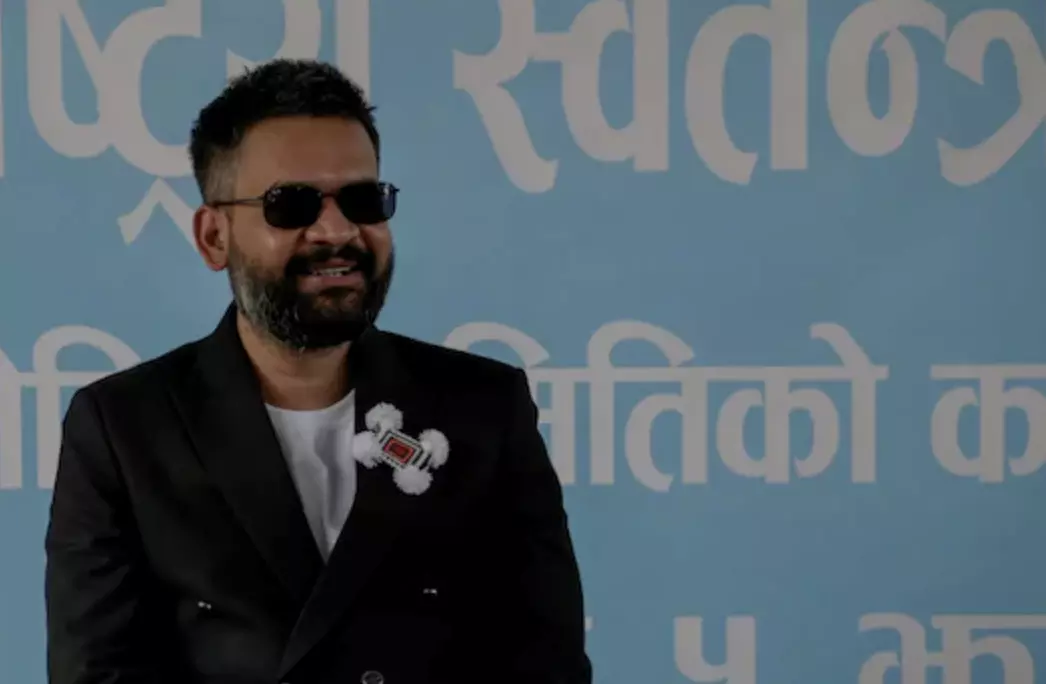
Balendra “Balen” Shah, the rapper-turned-Kathmandu mayor and rising political force, is poised to become Nepal’s prime minister. While Gen Z voters see him as a reformer, critics question whether his experience and leadership style can truly transform the country.
Balendra Shah, popularly known as Balen, has emerged as one of Nepal’s most unconventional political figures. The 35-year-old structural engineer and rapper first gained public recognition through Nepal’s hip-hop scene before transitioning into politics. Today, he stands on the brink of becoming the country’s prime minister, riding a wave of support from young voters eager for change.
Balen initially gained attention in the early 2010s through rap battles and politically charged songs. His track Balidan, which sharply criticized Nepal’s political establishment, resonated strongly with younger audiences and eventually amassed millions of views online. His music helped build a reputation as a fearless critic of corruption and ineffective governance.
In 2022, Balen leveraged that popularity to run for mayor of Kathmandu. Campaigning as an independent candidate, he promised reforms, transparency, and better governance in the capital. His message struck a chord with frustrated voters, and he won the mayoral election by a landslide.
During his tenure as mayor, Balen adopted an aggressive approach to urban management. One of his first actions was clearing illegal encroachments on Kathmandu’s roads after traffic authorities raised concerns about congestion. Bulldozers were deployed to remove unauthorized structures, and Balen personally visited several sites during the operation, earning praise from many citizens who saw the move as decisive leadership.
However, his leadership style also drew criticism. Some opponents accused him of being overly authoritarian, particularly when street vendors and informal settlements were removed from public spaces. Critics argued that such actions disproportionately affected vulnerable communities.
Balen’s popularity expanded further during the Gen Z protests of 2024, when thousands of young Nepalis rallied against corruption, nepotism, and political stagnation. Using social media platforms like Facebook and X, Balen encouraged protesters to demand accountability and reforms.
His song Ma Nepal Hasenko Herna Chahanchhu (“I Want to See Nepal Smiling”) became an anthem for the protest movement, symbolizing the aspirations of a generation frustrated with traditional political elites.
The protests eventually led to a major political upheaval. Amid widespread unrest and violence that reportedly claimed dozens of lives, then-Prime Minister KP Sharma Oli resigned. An interim administration was formed, paving the way for fresh elections.
Shortly afterward, Balen resigned as Kathmandu mayor and joined the Rastriya Swatantra Party (RSP), led by former television personality Rabi Lamichhane. The party campaigned on promises of sweeping reforms, anti-corruption measures, job creation, and economic revival.
The election results shocked many political observers. RSP candidates performed strongly across the country, challenging established parties such as the Nepali Congress and the Communist Party of Nepal. Balen himself defeated former Prime Minister Oli in his constituency, a symbolic victory against Nepal’s traditional political establishment.
Despite the enthusiasm surrounding his rise, challenges lie ahead. Nepal faces persistent economic difficulties, rising unemployment, and a significant outflow of workers migrating abroad for jobs. Millions of Nepalis now work overseas, particularly in Gulf countries, making labour migration and worker safety a pressing national issue.
Observers also warn that Balen will need to demonstrate greater diplomatic maturity, particularly in managing Nepal’s relationships with powerful neighbors India and China. His past social media posts criticizing foreign powers have sparked controversy, raising concerns about his approach to international relations.
For supporters, Balen Shah represents a new generation of leadership capable of breaking Nepal’s political stagnation. For critics, however, the real test lies ahead—whether the rapper-turned-leader can translate popularity and activism into effective governance.





