

Can Esports Become Part of the Olympic Games?
The Olympics celebrate speed, strength, and endurance—but what about strategy and reflexes? Esports fans are pushing harder than ever for competitive gaming to join the world’s biggest stage.
Esports
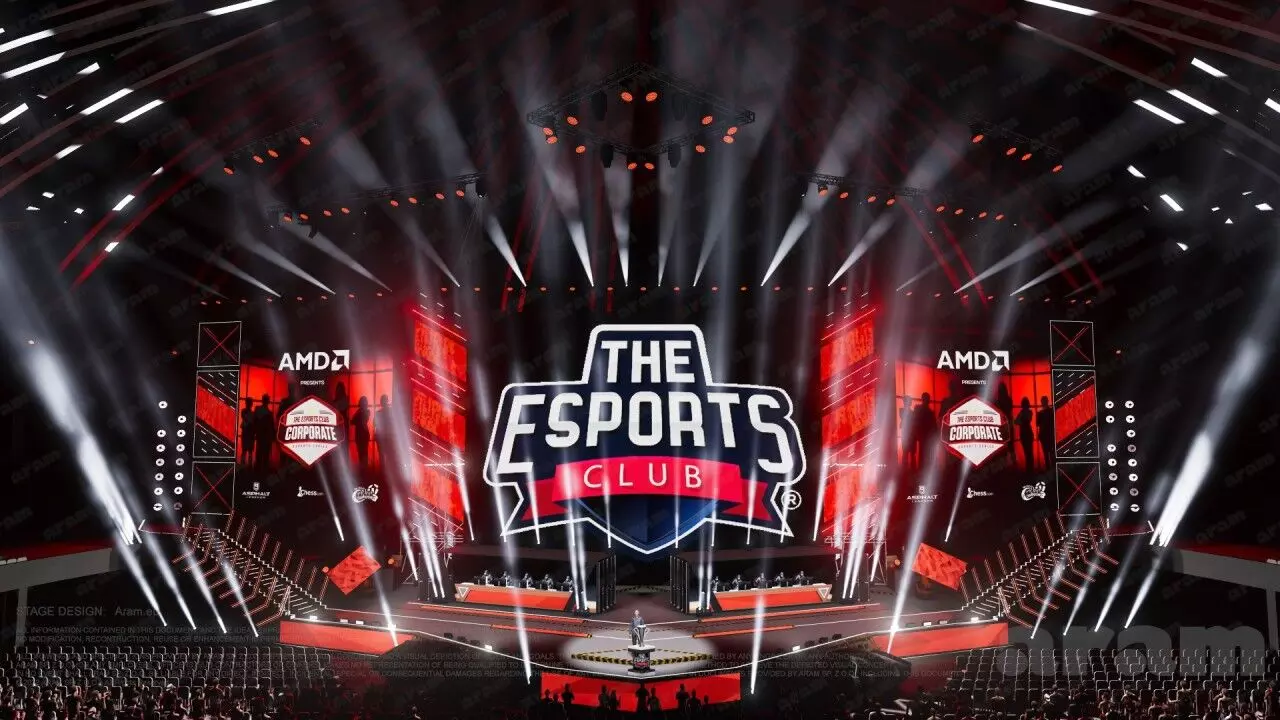
For years, the Olympic Games have been all about speed, strength, and endurance. But what if competition wasn’t just about physical power? What if sharp reflexes, strategy, and teamwork could earn a spot on the world’s biggest sporting stage?
That’s exactly what esports fans have been asking. And now, the debate is louder than ever — can competitive gaming become an official Olympic event?
It’s not just the players pushing for it. Esports is gaining popularity not only among users on raja567, who actively discuss odds and tournament picks, but also among those who are passionate about traditional sports. Esports has already taken over arenas, streaming platforms, and global tournaments — so why not the Olympics?
Why Esports Deserves a Spot in the Olympics
The argument for esports joining the Olympics isn’t just wishful thinking. It actually makes a lot of sense.
Here’s why:
Massive global audience — Millions of people watch esports, sometimes even more than traditional sports. Events like The International, LoL Worlds, and CS2 Majors pull in viewers from every continent.
Skill, precision, and teamwork — Esports athletes train for years, mastering reaction times, decision-making, and strategy. It’s no different from traditional sports, just with a keyboard and mouse instead of a ball.
Diverse player base — Unlike many Olympic sports that favor certain physical builds, esports is open to anyone, regardless of height, weight, or physical ability. This could make the Olympics feel even more inclusive.
Already recognized by major sporting bodies — The Asian Games included esports as a medal event in 2023, proving it’s more than just a trend. The International Olympic Committee (IOC) has also tested esports events in side tournaments.
Bringing esports into the Olympics wouldn’t just attract younger audiences—it would redefine what competition means on a global level. The question isn’t whether esports is worthy but whether the traditionalists are ready to accept it.
What’s Holding Esports Back?
Of course, not everyone is convinced that gaming belongs in the Olympics.
Some roadblocks still stand in the way:
The "not a real sport" argument — Many Olympic purists believe sports should be physical. While esports requires intense mental focus and hand-eye coordination, it doesn’t fit the traditional idea of athleticism.
Game publishers own the rights — Unlike basketball or soccer, esports games are privately owned. The Olympic Committee would have to work with companies like Riot Games, Valve, and Blizzard, which adds a layer of complexity.
Too many different games — Unlike track and field or swimming, which have clear disciplines, esports has dozens of popular titles. Which games would make the cut? Would they rotate every few years?
Concerns about integrity — The Olympics have strict rules against doping and cheating. Esports has had its share of scandals with match-fixing and hacks, making regulation a challenge.
Even with these challenges, esports keeps pushing forward. The IOC is already experimenting with virtual sports competitions, and as technology evolves, the lines between digital and physical sports might blur even more.
The Future of Esports in the Olympics
That may not be in the next Games, but the momentum is there. Esports has become the predominant sport for younger generations, and this is one trend that the Olympic Committee cannot afford to overlook forever.
A medal for esports in the Olympics wouldn't just be a victory for gamers — it would also be an indication that competition, in all its many forms, belongs on the biggest stage of all. And it won’t matter if it takes five years or fifteen, esports are clearly here to stay. It’s only getting bigger.





