

Waste Audit Explained: Converting Waste Streams into Useful Data
How Data-Driven Waste Audits Turn Trash into Actionable Sustainability and Cost Savings
image for illustrative purpose
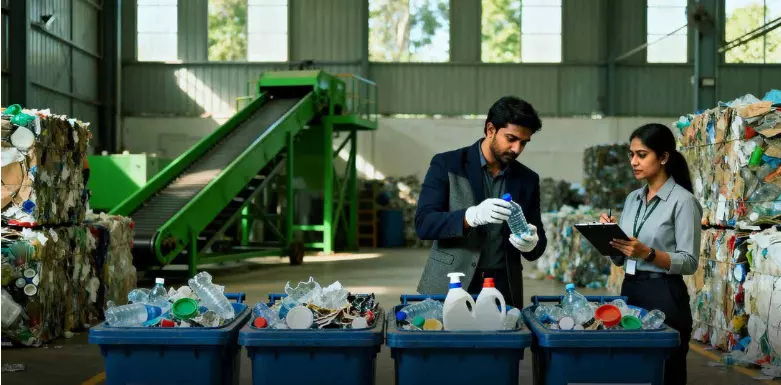
Across all industries, businesses produce high volumes of waste on a daily basis, but many do not yet have a clear view of what is even in their waste. Disposed materials typically leave facilities uncharacterized and unweighed or even unassayed. This means many of the choices people make around disposals are made in a very assumptive way, which contributes to savings and sustainability window opportunities going to waste.
This is where a waste audit comes in handy. Through this systematic review of waste streams, organizations can convert physical trash into data that can be measured. This allows for the identification of inefficiencies, optimized recycling results, and better alignment of waste management with environmental goals. When conducted properly, audits not only track waste but also convert it into useful insights to make smarter, more sustainable business decisions.
What Is a Waste Audit?
A waste audit is a structured approach to identifying, measuring, and analyzing the types and amounts of trash that an organization produces. The main aim of it is to facilitate transparency over waste streams on which a business can base its business decisions around reduction, recycling, and recovery of waste.
Audits can be performed at different levels, either focusing on the entire facility for total waste generation estimation or on the process level. There are organizations that do it periodically, and others that do it continuously, so that they have permanent visibility. These assessments can be done in-house or with partners such as recyclers and sustainability consultants. At the heart of a waste audit is the collection and analysis of data to reveal otherwise hidden patterns.
Gaining Clarity on Waste Streams and Their Impact
Waste streams are categories of waste that emanate from a facility, encompassing biodegradable, recyclable, hazardous, and residual waste. Every type has its own safety, treatment, and disposal methods to mitigate harm and environmental impact.
Common challenges arise when waste streams are combined or poorly segregated. Contamination drives down recycling value, while improper management increases disposal costs and regulatory risks. It leads to an increasing reliance on landfills and an increase in carbon emissions through unmanaged streams. With stream-level visibility, organizations can identify what and how much waste is being generated, where it is flowing, and where process improvements can be made. This clarity is key to minimizing the environmental footprint while managing footprint costs.
Steps Involved in a Waste Audit
Well, conducting a waste audit begins with planning in the first place. First, organizations outline the goals, the scope, and the timeframes. This will help align the audit against business and sustainability objectives.
Then, the step of collecting and separating the waste is done. It seems they sort waste types and sources to detect composition and contamination levels. These include variables related to metric types that are recorded when measuring up, such as weight, volume, type, and weight of particular material types, etc.
Next comes the analysis stage, wherein trends, inefficiencies, and recovery opportunities are discovered.
Finally, reports help in converting the data into something actionable. These reports underpin policy decisions and long-term waste disposal policies.
Making Useful Information out of Waste Audit Results
Pure waste data gets its validation after it is processed and deciphered into a proper format. A waste audit can point to waste streams that may fly under the radar of high-volume and high-cost waste. It can also uncover recycling inefficiencies due to contamination or even inaccuracies in the process within operations.
Using data-driven insights to enhance segregation practices, improve recycling rates, and reduce dependence on landfills. Dashboards, KPIs, and reporting tools ensure longer-term tracking and accountability. When businesses see what they can do with the result of any audit, they move from being reactive to being proactive over how they manage waste, to optimizing resource use.
Benefits to the Industries by Waste Audit-Driven Decisions
Data-driven waste management offers tangible business benefits, such as:
Better optimized data handling processes reduce overall costs by curtailing waste disposal and augmenting material reclamation.
Improved recycling efficiency aids in the adherence to environmental laws while bolstering sustainability attributes.
The need for reliable waste data also increases due to ESG reporting and stakeholder transparency. This allows organizations to make long-term material, supplier, and operational decisions with confidence. They transform waste-related strategies into solutions that can be measured, scaled, and integrated with higher-level business objectives, moving them away from a one-off project.
Waste Audits in Support of Developing a Circular Economy Plan
In a circular economy, you retain and recycle resources for as long as you can. The waste audit is one such tool that can provide insight into the recyclables and other recoverable materials found in waste streams.
Audits also support extended producer responsibility by providing data that helps producers and manufacturers design more eco-friendly products and packaging.
Circularity in waste management enables business models to fly higher with less extraction of virgin resources and a lesser environmental impact through efficient operations.
Waste Audits: Common Challenges and Best Practices
While useful, audits still face challenges such as variable information-gathering, lack of employee engagement, and scant follow-through on results. If there is no engagement or accountability, insights are quickly forgotten and never implemented.
Conduct regular audits, train employees on segregation and data accuracy, and work with recyclers who understand the material recovery systems. Line-up audit finding with continuous improvement so that the finding, whatever been driven, will not be a one-time but will have a long-lasting impact.
Final Thoughts
The waste audit is what makes waste a valuable source of data instead of just something to be thrown away. Businesses increase cost-effectiveness and recycling performance while achieving sustainability targets when waste streams are processed into insights. Value from data-driven waste management is long-term value, which helps customers comply as well as become more efficient, closing the circular economy loop. Companies that have embraced audits as ongoing strategic tools instead of a one-off endeavor are likely to deliver on their environmental impact. Partners along this journey, like Banyan Nation, a leading recycler, help make it more seamless and data-enabled to help businesses deploy these waste solutions intelligently.





