

Realty to benefit from targeted emphasis on manufacturing
overarching growth theme is evident in the form of focus on infrastructure push
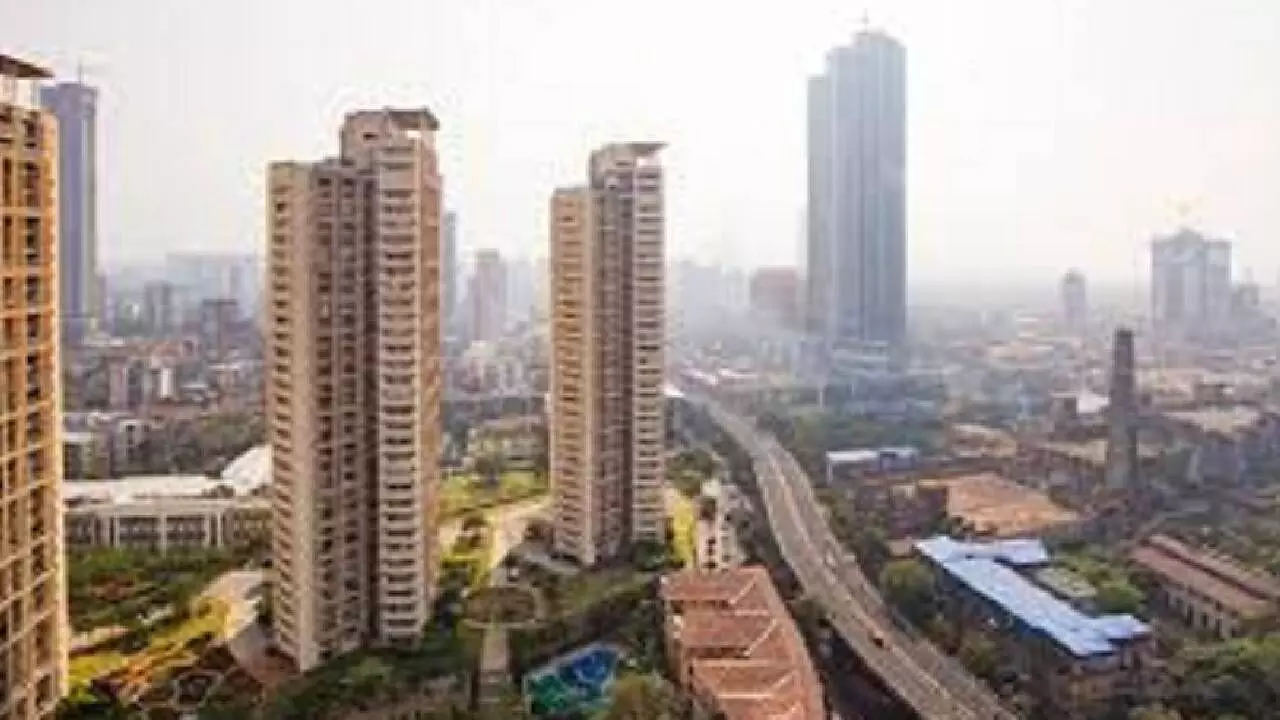
image for illustrative purpose
Kolkata: The ninth Budget tabled in the Parliament on Sunday by the Union Finance Minister Nirmala Sitharaman, according to many experts, has taken a measured approach to balance India’s long-term growth ambition and inclusivity across regions & economic segments as well. The overarching growth theme is evident in the form of focus on infrastructure push, among other things.
Indian real estate particularly stands to benefit from the targeted emphasis on manufacturing capability enhancement and infrastructure augmentation in the form of Dedicated Freight Corridors, high speed rail corridors, nationalisation of inland waterways, development of urban clusters, etc.
"Driven by the budgetary focus, we expect traction in real estate requirement from textile, healthcare, semi-conductor & rare earth segments and firms within the Animation, Visual Effects, Gaming, and Comics (AVGC) and Artificial Intelligence (AI) domain. Interestingly, the proposed tax holiday for foreign cloud service providers will significantly accelerate data centre growth by attracting global hyperscalers and deepen long term investment in the segment, positioning India as a preferred hub for digital infrastructure and cloud based service economy," said Badal Yagnik, CEO & Managing Director at Colliers India.
Yagnik said that there is a clear focus on identifying and leveraging the growth drivers of Tier II & III cities including temple towns. Meanwhile, the pertinent focus on tourism, training, skill development, creation of infrastructure will have a positive domino effect on the real estate sector in the areas of hotels, guest houses, second homes and primary housing as well. Overall, the budget has emphasized strengthening competitiveness and augmenting.
Harshavardhan Neotia, Chairman, Ambuja Neotia Group, also echoed similar sentiments. "The Union Budget 2026 demonstrates the government's continued commitment to transforming India's urban landscape through infrastructure-led growth.
The 8.9 per cent increase in capital expenditure to Rs12.2 lakh crore is a welcome step that will sustain momentum in large-scale development and create substantial opportunities across the construction and real estate value chain," he said.
The Rs5,000 crore allocation per City Economic Region and the continued focus on Tier-2 and Tier-3 cities with populations over 5 lakh is strategically sound. These emerging centres represent India's next growth frontier, and the extension of AMRUT to smaller towns will create a more inclusive development framework, said Neotia.
The introduction of dedicated REITs for CPSE asset monetisation and the Infrastructure Risk Guarantee Fund, on their parts, are progressive measures that will de-risk capital deployment and attract both domestic and international investors. These initiatives signal a maturing ecosystem for institutional real estate investment.
Anuj Puri, Chairman, Anarock Group, however, was somewhat sceptical. He said although REIT-led monetisation of CPSE commercial assets, long-term policy backing for data centres, focused development of temple towns, and a clear push for Tier-2 and Tier-3 commercial growth together reinforce confidence in real assets, hospitality, and urban expansion, the absence of any direct announcement on affordable housing - particularly around definition reset or fiscal support - is a disappointment, given its importance for urban housing supply and inclusive growth.
Pradeep Aggarwal, Founder & Chairman, Signature Global (India) Ltd said that the creation of the Infrastructure Risk Guarantee Fund, along with the rollout of seven high-speed rail corridors and the operationalisation of 20 new national waterways over the next five years, will significantly enhance connectivity, reduce logistics costs, and improve the overall efficiency of the real estate and infrastructure ecosystem.
Experts are of the view that overall, this is a budget that lays a strong foundation for sustained sectoral growth, though calibrated demand-side measures in future policies would help unlock the full potential of India's real estate market.





