

SII likely to supply 400 million more doses to Gavi-COVAX
The Serum Institute of India has already agreed to produce 100 million doses each of two jabs developed by Oxford University-AstraZeneca and Novavax, as part of the Gavi-COVAX programme.
image for illustrative purpose
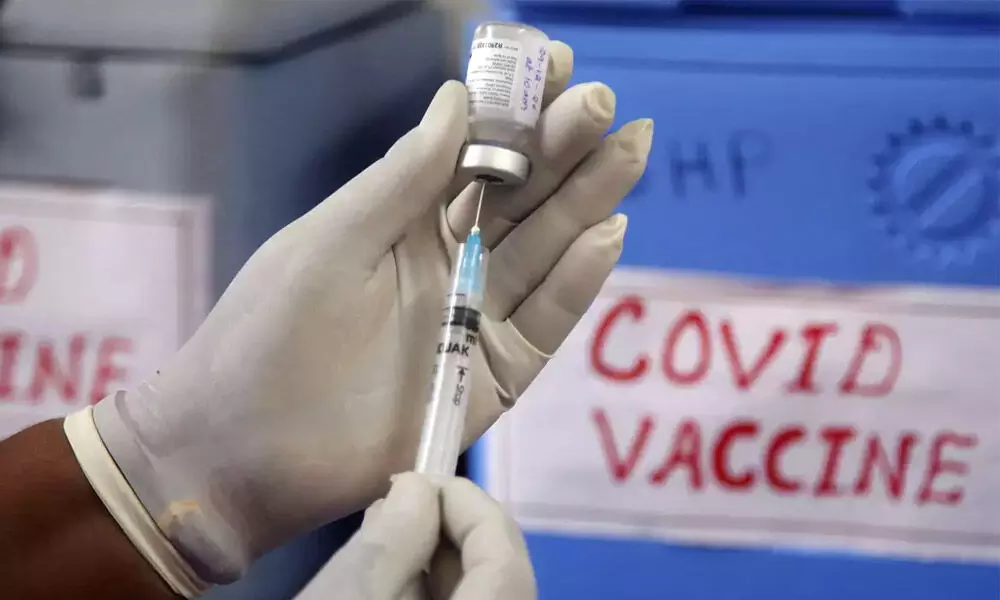
The Serum Institute of India has already agreed to produce 100 million doses each of two jabs developed by Oxford University-AstraZeneca and Novavax, as part of the Gavi-COVAX programme.
Serum Institute of India (SII) is likely to soon sign a deal with Gavi-COVAX to supply up to 400 million additional doses of COVID-19 vaccines. Discussions are underway on an agreement for 300-400 million doses of vaccines against the coronavirus, Business Standard reported.
As per the existing agreement with COVAX, Pune-based SII has already agreed to produce 100 million doses each of two jabs -- developed by Oxford University-AstraZeneca and Novavax -- at $3 per dose. Serum Institute did not comment when contacted by the newspaper. COVAX is an initiative supported by the World Health Organization (WHO), the Coalition for Epidemic Preparedness Innovations (CEPI) and 'Gavi, the Vaccine Alliance' to ensure fair and equitable access to COVID-19 vaccines for all countries.
The Oxford-AstraZeneca vaccine was granted restricted emergency use authorisation In India on January 3. SII Chief Executive Officer Adar Poonawalla had earlier said the company can only give the 'Covishield' Oxford-AstraZeneca vaccine doses to the government of India "at the moment". However, the Union Health Secretary later clarified that the government had not banned the export of COVID-19 vaccines.
AstraZeneca has contracted SII to make 1 billion doses of the vaccine against COVID-19 for developing nations. According to a report, the Centre will procure 6.6 crore (66 million) doses of Covishield at Rs 200 per dose, to kick-start what is likely the largest vaccination programme in the world. India plans to vaccinate 30 crore people by July-August in the first phase of inoculation. Vaccination of healthcare are frontline workers will be prioritised.





