

Labour Codes promise big gains for textiles, but wage rules spark industry concerns
Labour Codes promise big gains for textiles, but wage rules spark industry concerns
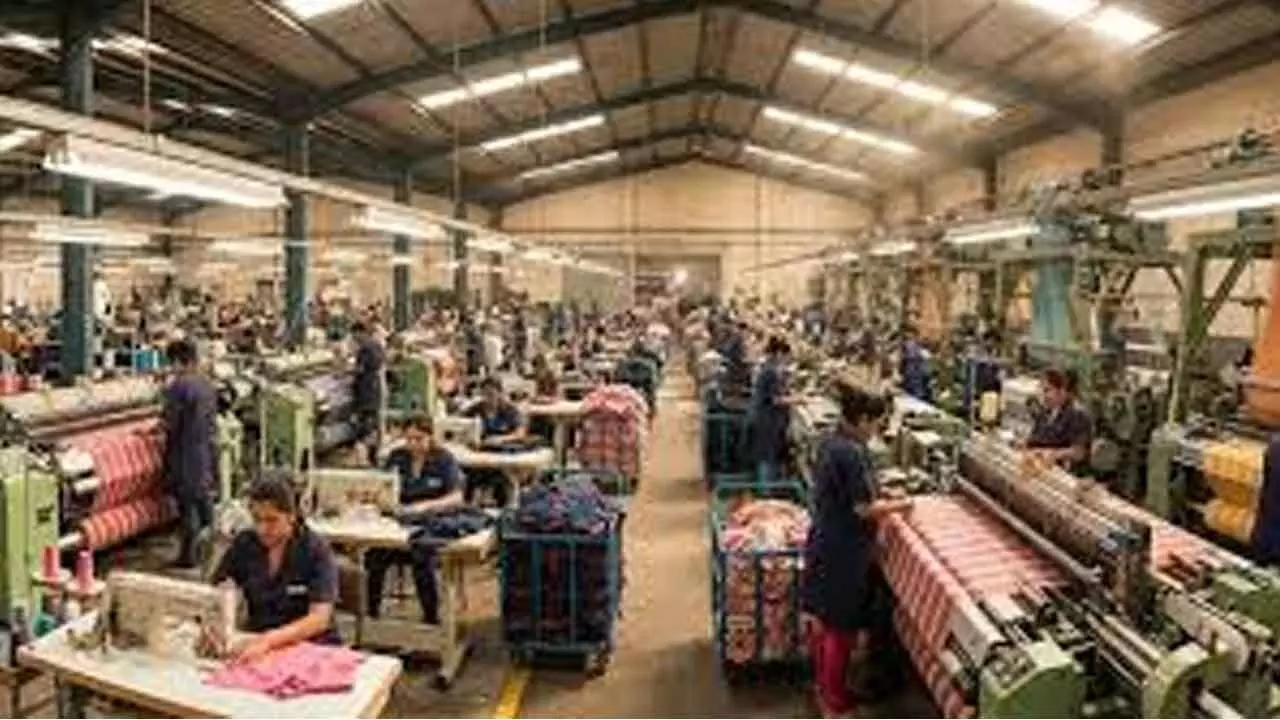
The recently notified Labour Codes may offer big gains for India's textile & apparel sector, but wage provisions may pose more challenges than one.
There is no doubt that the new Labour Codes have the potential to significantly improve the competitiveness of India’s textile and apparel sector; however, provisions related to the wage component and inter-state migrant workers will require careful navigation by textile and apparel units. That's what the industry feels.
First, let's examine the positive aspects. With the rationalisation of the 29 existing labour laws into four comprehensive Labour Codes on Wages, Industrial Relations, Social Security, and Occupational Safety, Health & Working Conditions, the Centre is believed to have initiated one of the most far-reaching labour reforms in recent times, which is aimed at simplifying and consolidating multiple legislations, reducing the compliance burden for enterprises, particularly MSMEs, and creating a more predictable and transparent regulatory environment for both employers and employees.
Compliance and competitiveness must go hand in hand. As global buyers are increasingly focusing on labour standards, human rights, and responsible supply chains, understanding and implementing the Labour Codes effectively will not only help India’s textile and apparel companies meet domestic legal requirements but also strengthen the country’s positioning as a reliable and responsible sourcing hub.
Interestingly, the industry’s challenges in meeting compliance requirements stem not from unwillingness, but often from limited clarity in interpreting complex provisions.
Having said all these, one must also remember, at this point, that introducing the concept of “Floor Wage” may increase companies' costs. The cost of projects could also go up as a result.
It is pertinent to mention here that most companies in India’s textile and apparel sector are micro, small and medium enterprises (MSMEs) that operate on small margins.
The thinking behind a national floor wage set by the Central Government, based on minimum living standards, is to guarantee a basic income threshold, prevent wage-
based migration across states and ensure that textile workers in low-wage regions receive fair and comparable remuneration. The new Labour Codes encourage fixed-term employment.
This would immensely benefit textile and apparel companies, considering the flexibility that they would now have in managing workforce strength as per the needs of the business. The announcement of the Rules in connection with the Labour Codes could hold the answers to the successful implementation of the Codes. However, one must keep in mind that the provision related to the full and final settlement of employees has already gone into effect.
The new Labour Codes is expected to reduce the redundancies in the earlier labour laws and help in reducing informality in employment that was present due to the inflexibilities in the earlier labour laws. Industry also hopes that the rules would address the heterogeneity in the state laws, which, so far, has made it difficult for companies with divisions in multiple states to comply with different state laws.
The scale of growth visualised through PM Mitra parks and some of the other policy reforms need liberal employment rules. States with more industry-friendly provisions will attract more investment and jobs. If things move the way they have been envisaged, the new Labour Codes will align well with India’s initiatives towards becoming a responsible business hub and adherence to the various reporting frameworks.
The industry, on its part, is understandably looking forward to the address of overtime rates, which have been significantly higher than the ILO norms so far.
Further simplification, reduction in compliance costs and more alignment with international labour norms and wage costs will augur well for the overall growth of both industry and organised employment and would result in reduced informalisation of the sector.





