

Why experience is becoming the true measure of luxury homes in Mumbai
Wellness, design intelligence and community living reshape premium real estate
Why experience is becoming the true measure of luxury homes in Mumbai
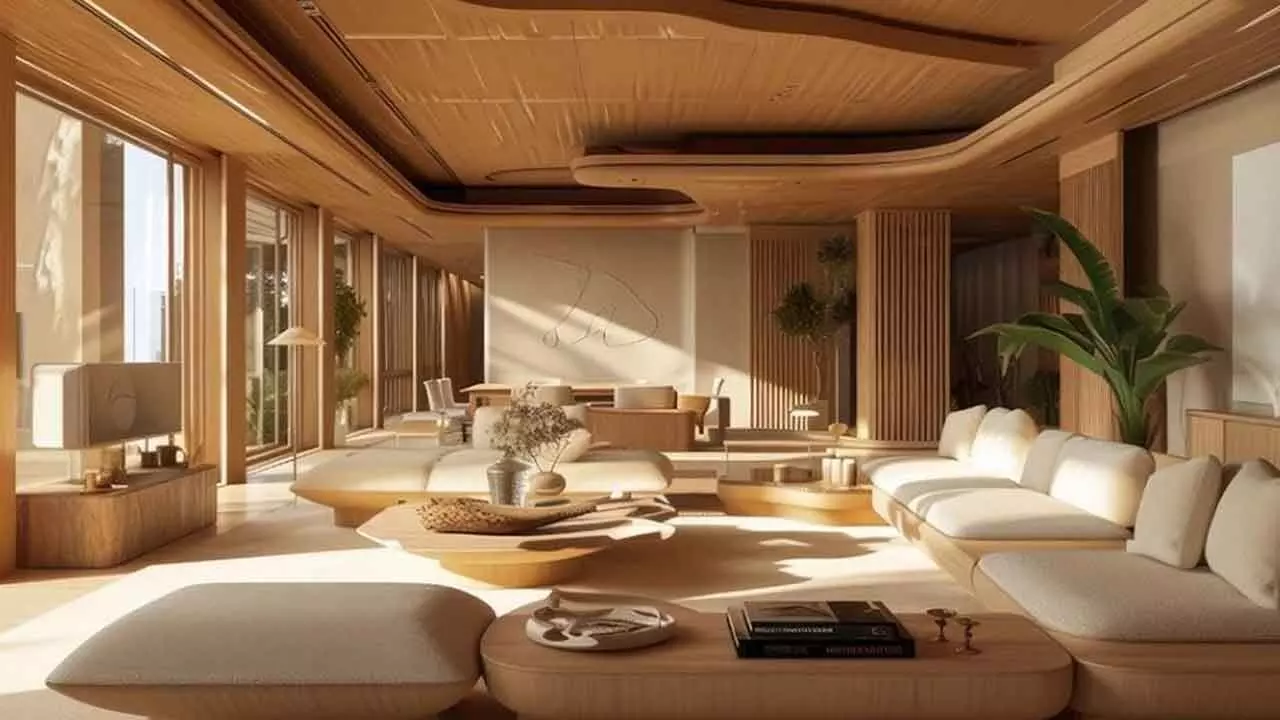
Larger apartments, premium finishes, imposing structural façades and a top of the line offering of amenities have for long been the norm for luxury housing in Mumbai.
As urban lifestyles become more complex and time-starved, that definition has started undergoing a decisive shift. Home-buyers are increasingly realising the value of how a home makes them feel and function, rather than how big it is. Experience, rather than square footage, is fast emerging as the new marker of luxury housing.
Developers across India’s key markets, particularly Mumbai, are responding to this evolution. A large-scale rethinking of residential design from the ground up is visible. Homes are no longer standalone products but are now part of a larger ecosystem that blends technology, wellness, sus-tainability and social interaction into everyday living.
Talking to Bizz Buzz, Aditya N Shah, Director, Mayfair Housing, says, “As the new-age home-buyer now prioritises holistic lifestyles over mere square footage, experience has now become the new luxury in real estate.”
Developers are bringing in a whole new experience in living, integrating smart technologies, ex-pansive green spaces, wellness amenities, and community-centric designs to meet the aspirations of new and growing vibrant urban habitats.
Integrated living is closely tied to this transformation within the city’s luxury housing sector.
Holistic living concepts that integrate within inclusive environments amid Mumbai's infrastruc-ture growth, setting higher standards for living and fresh benchmarks for Mumbai's evolving sky-line.
Industry veterans note that while the change has been gradual, it is now definitely unmistakable. Bhadresh Shah, Managing Director of Today Group, recalls a time when luxury was synonymous with physical scale.
Sharing his experience, he says, “When I began in this industry, luxury was defined by size, fin-ishes, and grandness. But homebuyers today are looking for something deeper they are seeking homes that make everyday life calmer, healthier, and more meaningful.”
Within the real estate sector, there is a deeper expectation which is reshaping how projects are planned and being delivered now. Buyers now ask how a community will support their wellbe-ing, whether spaces can adapt to changing lifestyles, and if the development will retain relevance and value over decades.
“Wellness is no longer a feature; it’s part of the architecture itself,” Bhadresh Shah observes, adding that thoughtful design from natural light and privacy to intelli-gent zoning and flexible spaces has become a “silent luxury” that outweighs additional square footage.
Similarly, trust and sustainability are now central to luxury housing. Today’s homebuyers want transparency, efficiency and homes that are environmentally responsible and future ready. More than excess, they value the confidence that their home will continue to perform well long after possession.
From a market perspective, this shift is also being driven by more informed consumers. Sanjay Daga, CEO and Managing Director of Anex Advisory, explains that buyers today are evaluating value across the entire journey, not just the floor plan.
“The shift toward ‘experience’ in luxury housing is happening because buyers have become far better at assessing value beyond the floor plan,” he says, noting that clarity of information, transparency in commitments, quality of design decisions and reliability in execution now influence willingness to pay far more than incremental space.
Daga emphasises that experience is not created through surface-level upgrades, but through alignment. When architectural intent, engineering logic, material choices and long-term mainte-nance plans work toward the same goal, a project naturally feels premium. When they do not, even a larger apartment can feel compromised.
In a dense and high-value market like Mumbai, these nuances matter even more. Buyers are acutely aware of circulation, privacy, noise control and how well building systems will perform over time. These functional details, once overlooked, are now treated as indicators of seriousness and long-term commitment.
“Luxury today isn’t expanding outward; it’s deepening inward,” Daga explains. For Mumbai specifically, experience has become a proxy for trust, as customers gravitate towards developers who demonstrate discipline and consistency with a commitment to long-term performance rather than cosmetic enhancements.
As the real estate matures, projects that will stand out are those that back living experience over headline numbers.
The message from the market is clear: the next chapter of luxury housing will be about developers who do not build bigger homes, but contribute to creating better lives through design, planning and purpose-driven communities.





