

Understanding the Role of a Nurse Expert Witness
A closer look at how nurse expert witnesses provide medical insight, analyze healthcare records, and support legal cases with professional expertise.
Nurse expert witnesses play a vital role in legal cases by reviewing medical records, offering professional opinions, and helping courts understand complex healthcare issues.
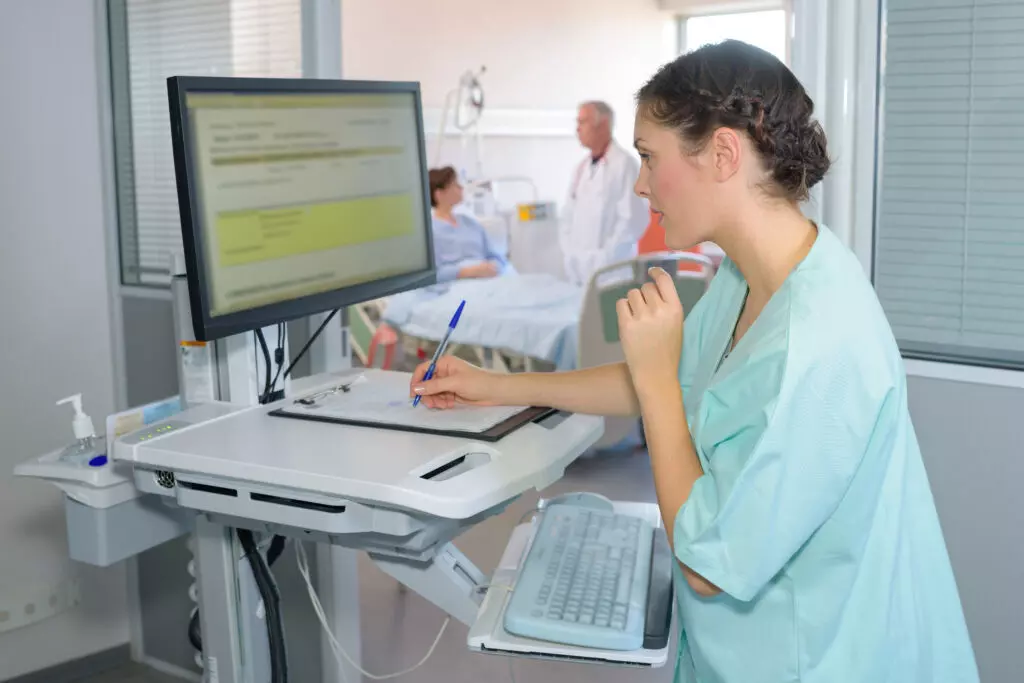
In legal cases involving healthcare, professional expertise is often needed to help courts understand complex clinical situations. A nurse expert witness is a qualified nursing professional who provides independent opinions on matters relating to nursing care, clinical standards, and healthcare practice.
The experts take on essential functions within civil litigation work because their expertise becomes necessary during clinical negligence cases and personal injury cases and medical care quality disputes. The nurse expert witnesses analyze medical records while they document professional standards to assist legal teams and courts in determining whether nursing care met established standards and which failures caused patient damage. Role definition of Nurse Expert Witness A nurse expert witness is usually a registered nurse with extensive clinical experience, and expert knowledge in a defined field of nursing practice. Their role is to provide unbiased, evidence,based opinion to the courts to aid understanding of nursing practice and standards of care. Expert witnesses enter a case because of their specialized knowledge while fact witnesses describe events which they experienced firsthand. The professionals evaluate evidence through their expertise which they acquired from medical knowledge and experience. The medical experts use their opinions to assist judges and juries and attorneys with medical information assessment and evaluation of healthcare provider actions. Nurse expert witnesses perform their duties through three primary phases which require them to conduct investigations and analysis. The main responsibility requires experts to examine medical records. This may include patient records, observation charts, care plans, medication logs, and hospital policies. The expert creates a timeline of events that occurred during patient treatment by examining the documents. The process determines whether nursing practices complied with both existing professional standards and current clinical guidelines.
Specialised expertise is particularly important in complex cases. For example, cases involving pressure ulcers and wound management and medication administration and infection control need an expert nurse who has complete knowledge of those specializations.
Nurse expert witnesses may also work in cases related to care homes or community healthcare, where standards of care and monitoring procedures are the main elements that determine how well healthcare services are delivered.
Preparing Expert Reports
A key element of being a nurse expert witness is the production of a formal written report. In England and Wales expert reports have to conform to the Civil Procedure Rules for expert evidence (Part 35).
Such reports generally also contain a short biography of the expert along with a record of the documents on which opinions were formed and an outline of the clinical issues in the case. For instance, the expert should give an opinion on whether the clinical standards of care had been observed, and whether a breach was causative of the result..
The expert witnesses must separate the evidence that they gather from their records and their personal professional assessments which they present in court. The experts need to create a declaration which states their responsibility to the court instead of serving the party who hired them. The Importance of Impartiality Impartiality is a fundamental principle for any nurse expert witness. Their role is to provide an independent assessment which stems from their clinical expertise and the evidence that they have available to them. Expert witnesses deliver unbiased assessments of evidence because courts depend on their expertise. Experts must back their research findings through professional standards and accepted medical practices and all details found in patient documentation. The expert evidence maintains its credibility through neutral presentation which enables the court to trust the witness statements presented to it. The Role of Expert Testimony in Court In some cases, a nurse expert witness may be required to give oral testimony in court. The expert will present his results during this period before responding to questions from both legal teams. Clear communication skills become necessary because court proceedings include participants who lack medical expertise. Clinical experts need to present their knowledge of medical terms through explanations which judges and jurors will understand. The process includes cross-examination as an essential procedure. The opposing legal team will use this period to question the expert about his professional views and methods and his evidence assessment. Supporting the Legal Process A nurse expert witness creates necessary connections between medical procedures and their evaluation in court. The expertsenable healthcare information to be better understood by creating organized systems which present clinical data as human-friendly content.





