

Supporting Veterans With Mental Health First Aid Training
Learn why mental health first aid training is essential for supporting veterans, recognizing warning signs, and building compassionate, safer communities through structured response tools.
image for illustrative purpose
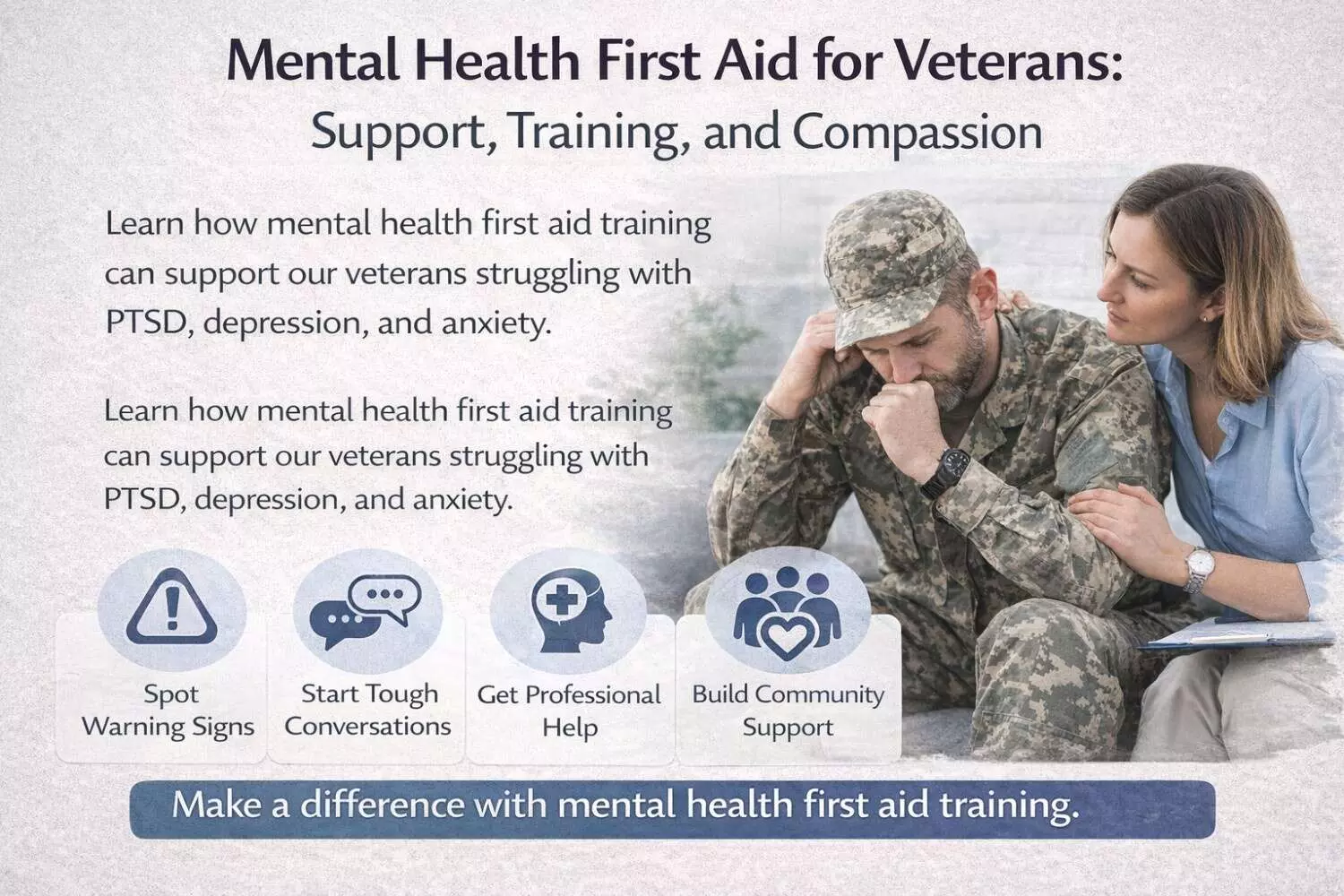
Veterans have given years of their lives to serve our country, and many of them have seen some of its worst sides directly. Some soldiers have problems with their mental health after they come home, like anxiety, depression, PTSD, and being alone, but others have a much easier time of it. To help troops who need it, you need to understand, care about, and have the right skills. As soon as possible, family, friends, coworkers, and anyone else who wants to help the troops in need should be able to get mental health first aid training.
The Mental Health Needs Of Veterans
As veterans transition out of service, life may present unexpected difficulties that were never anticipated. Adjusting to life outside may prove challenging; veterans may struggle readjusting to work, daily life or how families work - especially after experiencing emotional stress from service-related injuries that make sleeping, socialising, and going about daily tasks more challenging than before. Too many soldiers don't get professional help because they're afraid of being judged. It is very important that their community knows about this and moves quickly to help.
Mental health first aid specialists know how to spot warning signs, start helpful conversations, and, if necessary, send veterans to get professional help. Just like physical first aid stops accidents from getting worse, mental health first aid may help ease emotional stress.
The Value Of First Aid Training In Mental Health
Learning first aid for mental health is crucial when someone close to us is experiencing mental illness, such as soldiers. A mental health first aid class equips participants with skills for talking through difficult topics without judgment and providing comforting reassurance - making a huge difference to soldiers' lives by keeping them from isolation while encouraging them to seek assistance at just the right moment.
People working with soldiers, their families and children, volunteers in the community or anyone looking for leadership development opportunities all can gain from training such as this. It gives you more courage and helps ensure you know exactly what to say or do when things become challenging - those prepared are more likely to step up and help when situations become trying.
Using The Mental Health RULES Action Plan
A crucial tool used in training is the Mental Health RULES Action Plan. Using this structured method can help people who are helping someone who is mentally upset in a good way. To help someone who is mentally upset in a healthy way, you need to know the warning signs and risk factors, listen without judgment, get professional help when you need it, and take care of yourself.
Soldiers need an action plan that makes it clear where and how they can get help. This will help fans stay calm and focused when talking about tough topics. With this guide in hand, people can avoid saying anything inappropriate and offer useful assistance that takes into account all aspects of a soldier's feelings and experiences.
Accessing Mental Health Courses Melbourne
Residents and groups in Victoria can easily gain access to mental health training through Mental Health Courses Melbourne. Their classes cater to various settings, including workplaces, schools and community groups - so participants gain a comprehensive knowledge base about mental health problems while learning strategies on how to deal with them effectively in real life.
Melbourne training classes often combine hands-on activities, realistic situations, and assistance from professionals into training sessions to make students comfortable using what they've learned outside of school. When more people receive adequate training, neighbourhoods become safer places for veterans to live.
The Role Of 11379NAT Initial Response To A Mental Health Crisis
The 11379NAT Initial Response to a Mental Health Crisis course provides another essential resource in aiding people quickly when experiencing intense mental distress. Participants learn how to recognise emergencies, keep people safe and connect people with professional help when required.
Helping veterans early during a crisis is critical in order to prevent issues from getting worse over time. Our course emphasises calm communication, identifying risks, and offering suitable recommendations. Having trained people available in communities and workplaces ensures veterans get immediate assistance when needed most.
Building A Supportive Community For Veterans
Supporting troops means more than just giving them medical care. It also means making sure that their community knows what they're going through and treats them with compassion and understanding. People who are skilled in mental health first aid can be very important to this system. If veterans feel understood and safe enough to ask for help, they are more likely to actually do it.
People whose family, boss, or friends have completed training can be trusted. Just being aware can help lower stigma, start helpful talks about mental health, and lead to a more accepting and understanding attitude over time.
Conclusion
Veterans should be treated with respect, cared for with kindness, and given ongoing help after they leave the military. If you know how to do mental health first aid, you can help people in a good way. Adopting structured methods like the Mental Health RULES Action Plan, signing up for appropriate training programs, learning problem-solving skills, and better dealing with problems faced can make a huge difference in the lives of veterans. We can make better places for soldiers to feel valued, heard, and helped on their way to mental health if we all work together.





