

NIH Backs AI Initiative to Accelerate Alzheimer’s Research and Treatment
NIH funds AI-driven project to speed Alzheimer’s research. It is about improving early detection and developing pioneering treatments for better patient results globally.
The NIH launches a groundbreaking AI-driven initiative to accelerate Alzheimer’s research, aiming to improve early diagnosis, treatment development, and patient outcomes through advanced data analysis.
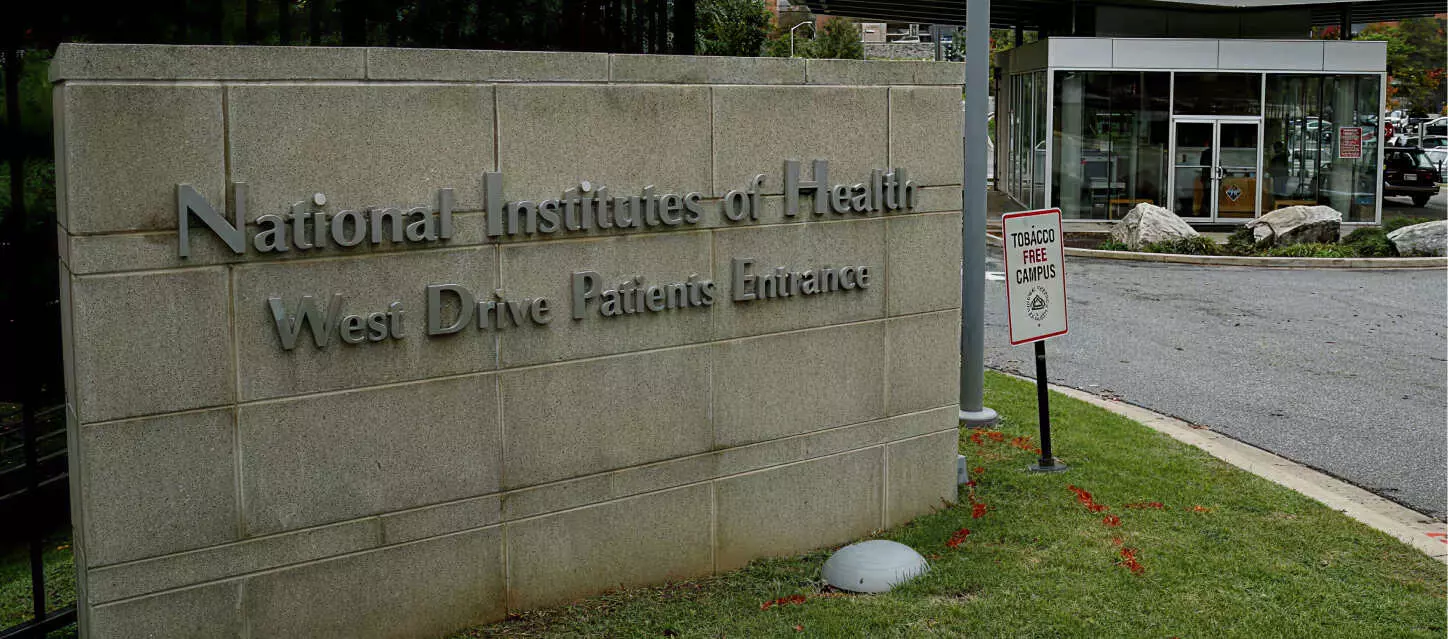
The National Institutes of Health has rehabilitated support for Artificial Intelligence for Alzheimer's Disease, or AI4AD. The new $12.6 million funding for the project’s upcoming phase, AI4AD2, raises the total investment in AI4AD to $30.7 million.
Led by Paul M. Thompson, associate director at the USC Mark and Mary Stevens Neuroimaging and Informatics Institute, the multi-institutional plan aims to advance Alzheimer’s research. The AI4AD2 project will develop artificial intelligence tools to expose the biological reasons for Alzheimer’s disease and related dementias.
It will even get better at the disease prediction progression and assist in the development of the right and customized treatment options.
AI4AD2 joins 10 investigators and 23 co-investigators from 10 institutions to carry out four interconnected research goals. The consortium will examine large-scale datasets, such as whole-genome sequencing, brain imaging, cognitive testing, and additional biological data. It is about to advance the diagnosis and treatment of dementia.
The work is based on the original AI4AD initiative introduced in the year 2020. It is made with the AI tools to detect Alzheimer's-research patterns in brain scans. It also shows how machine learning can directly link imaging findings to underlying inherent risk.
Yet another important goal related to AI4AD2 is to go beyond broad diagnostic labels and find out the meaningful subtypes of Alzheimer's disease and linked dementias. Despite of grouping all patients together, the project will make use of AI to group individuals depend on the brain scans, neuropathology, and genetic data. Improved subtyping of dementia improves the clinical trial design by assisting scientists in better matching treatments to patients most likely to advantage.





