

New antibody therapy shows hope for blood cancer treatment
Preliminary success suggests linvoseltamab, a bispecific antibody, could allow patients to avoid bone marrow transplants
New antibody therapy shows hope for blood cancer treatment
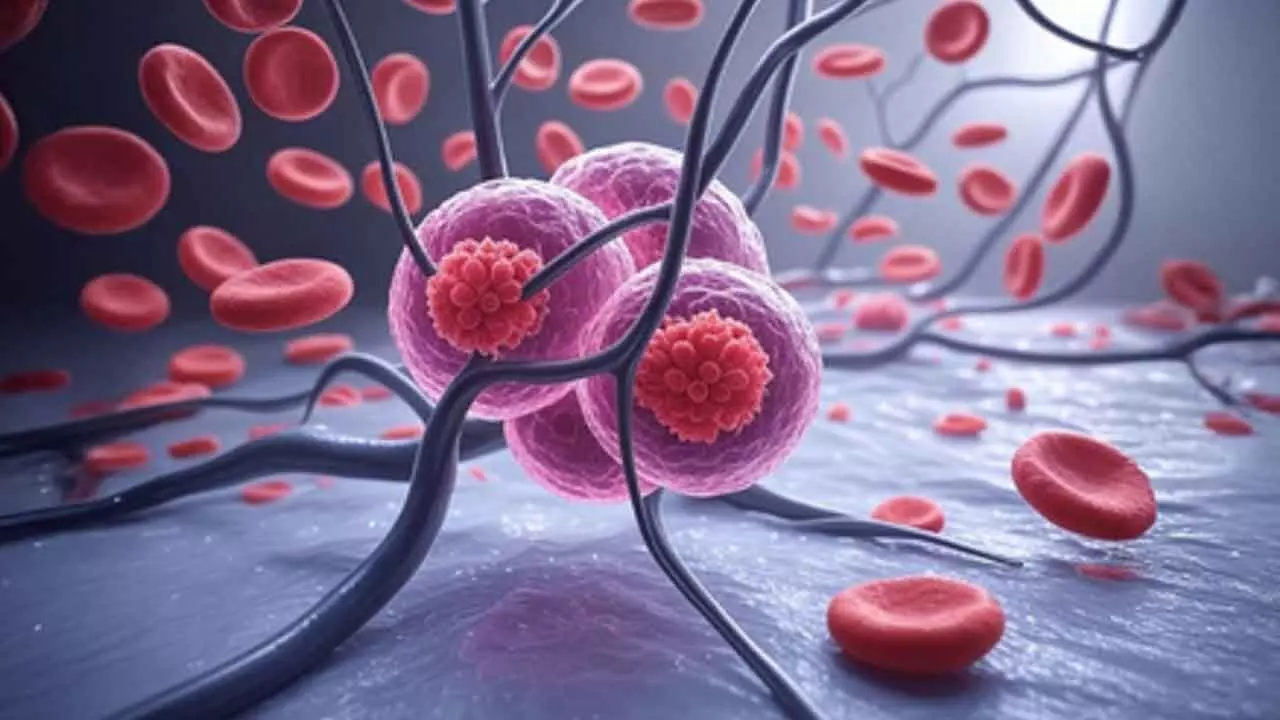
An immune and cancer cell-targeting antibody therapy has shown potential to eradicate residual traces of deadly blood cell cancer, multiple myeloma, according to interim results from a clinical trial.
The trial included 18 patients who underwent up to six cycles of treatment with the antibody lin-voseltamab. On highly sensitive tests, none of the patients had detectable disease, revealed the study presented at the American Society of Hematology (ASH) annual meeting in Orlando, US.
The preliminary success suggests linvoseltamab -- a bispecific antibody -- could allow patients to avoid bone marrow transplants, which involve intense, high-potency chemotherapy.
It also points to the long-term potential to improve patients’ odds against this disease.
“These patients received modern and effective, up-front treatment that eliminated 90 per cent of their tumour,” said lead researcher Dickran Kazandjian, from the University of Miami’s Miller School of Medicine.
“Usually, patients like these would receive high-dose chemotherapy and transplant. Instead, we give them a treatment with the drug linvoseltamab,” Kazandjian added.
The researchers called the results so far “extremely impressive” and said the disappearance of the lingering myeloma cells bodes well for patients’ futures. While the new therapy can keep the dis-ease away for years, the possibility of it returning cannot be eliminated.
Multiple myeloma arises from antibody-producing immune cells called plasma cells. These can-cerous cells build up, interfering with normal blood cells and causing damage. There is no estab-lished cure.





