

How Home Care Can Help Manage Chronic Conditions
Discover how home care helps manage chronic conditions like diabetes, multiple sclerosis, and Parkinson’s disease through personalized care, monitoring, and support.
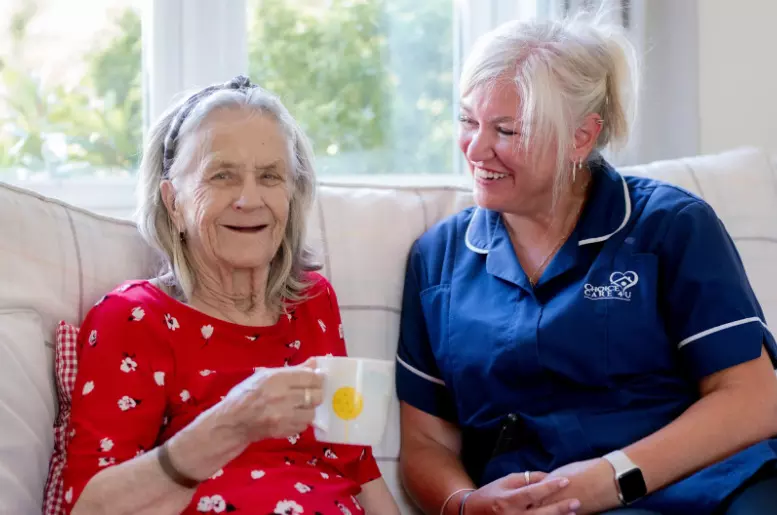
image for illustrative purpose
Millions of people around the world suffer chronic conditions such as diabetes, multiple sclerosis, and Parkinson disease; these situations present long-term challenges to both the patients and the caregivers. To effectively manage these conditions, it is not only necessary to visit the doctor at a given time, but also to provide personalized care that puts the health and independence of the person first. Home care is one of the approaches that have become popular and involves provision of personalized health care within the residence of a patient.
This article discusses how in- home care for chronic conditions can alter the day-to-day management of health, minimize complications and enhance the quality of life of people and their relatives.
What Is Home Care?
Home care is a set of health and supportive services that are offered in the home of an individual. Home care is unlike institutional care that enables people to stay in a familiar environment but with the support of day-to-day activities, symptom monitoring, and therapy support among other things. With the transformation of healthcare towards patient-centered care and cost-saving options, home care is turning out to be a necessary piece of controlling chronic conditions.
Home-Based Diabetes Self-Management.
Diabetes is a condition that must be monitored constantly with regard to diet, blood sugar levels, medication routines, and lifestyle adjustments. It is where home-based diabetes care comes in handy. The individuals can be assisted by trained caregivers in:
Self-monitoring blood sugar level in a safe and routine manner;
Insulin administration or proper drug intake;
Authorizing balanced meal planning;
Promoting proper and frequent physical exercise.
Not only does this form of diabetes in-home care reduce the pressure a patient has to bear, it also aids in the detection of signs of complication development at an early stage before the situation gets out of control. Most patients have improved glucose control and fewer emergency hospital visits with frequent in-house instructions.
The management of Multiple Sclerosis in Clients
MS is a progressive neurological disorder, which interferes with mobility, coordination, and everyday functioning. Home care for multiple sclerosis to help maintain independence and offer the necessary assistance. The trained caregivers who work with chronically neuromuscular conditions would help with:
Movement and mobility assistance to avoid falls;
Regulating fatigue and energy;
Helping with exercises that would help strengthen and balance.
Home-based multiple sclerosis care enables a person to incorporate treatment in normal life, which enhances physical performance as well as emotional health.
Parkinson Care at Home: Improvement of Daily Living
Parkinson disease is associated with a special set of motor and non-motor impairments, such as tremors, rigidity, and change of mood. At home, the care provided to Parkinson extends past the assistance in the lower activities; it is a kind of good life. Under the home care of Parkinson, the support is met by trained professionals:
Taking medication and adherence, which is necessary to control the symptoms;
Personalised mobility aid to decrease falls;
Daily adaptive methods of living such as dressing or eating.
This type of specific, right-in-the-home support assists them to keep interested in life, confident, and postpone the institutionalization process.
The Advantages of Home Care Management of Chronic Conditions
Constant Monitoring and Early Intervention: Home care has some of the greatest benefits in constant health check-ups. Instead of having to wait weeks between clinic visits, people do regular check-ins that identify problems at their initial stages, usually before they escalate. Such proactive solutions will enhance results, and reduce the threat of expensive, acute events.
Education and Self-Management: A successful chronic care enables patients to learn their conditions and make wise decisions. Home care professionals frequently offer individualized education, whether it consists of informing a person about how their lifestyle choices affect diabetes or the tricks of moving and saving energy with MS or Parkinson.
Emotional and Social Support: Chronic illness does not only influence physical health, but also the emotional stability and socialization. The presence of a caregiver also lowers the level of isolation and anxiety, providing emotional support, not only physical, but also a valuable human contact.
Bringing Technology and Care Together
The role of technology in management of chronic conditions is increasing. Digital tools improve the quality of home care, such as mobile applications that help patients remember to take their pills, mobile devices that broadcast vital signs to the medical staff, and similar. These clinics can easily work together through such innovations and provide continuity and responsiveness in care.
Choosing the Right Support
Families seeking home care need to find a provider with chronic disease management experience, good communication models, and a person-centred approach. A careful plan of care can be the difference even in a setting that is familiar. Local agencies such as Choice Care 4U are popular in certain communities because of their ability to design home care programs to achieve long-term health objectives without overloading the families.
Home Care: A Way of Improving the Quality of Life
Chronic disorders influence the routine, self-sufficiency, and emotional state. Home care offers individualised care within a known environment, which benefits the person to control their symptoms, remain safe, and continue with activities.
Besides physical support, home care also provides a form of companionship and assurance thus alleviating the stress to both the person and his/her family. Every day, a normal life can be accomplished with the appropriate support without losing dignity and health.





