

Fuel shock returns: US gas tops $4 again after West Asia crisis
Middle East conflict disrupts oil flows, pushing prices to highest levels since 2022
Fuel shock returns: US gas tops $4 again after West Asia crisis
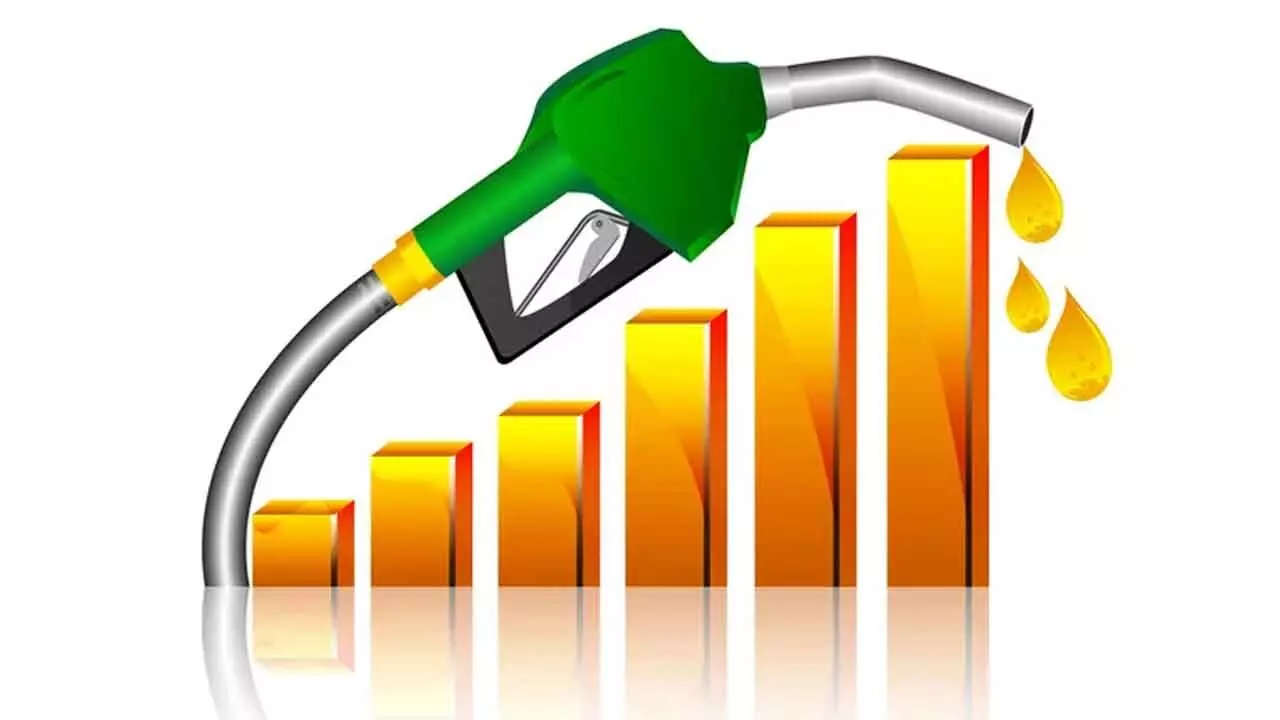
US GAS PRICE TREND (2022–2026)
♦ June 2022: $5.00 (Peak after Russian invasion of Ukraine)
♦ Late 2022: Falls below $4
♦ 2023–2024: Stable at $3.20–$3.90
♦ Early 2026 (Pre-war): $3.00
♦ March 2026: $4.02/gallon (Current spike after US–Israel–Iran war)
CURRENT PRICE
♦ Gasoline: $4.02/gallon
♦ Diesel: $5.45/gallon (was $3.76 pre-war)
♦ Increase: +$1 in weeks
ECONOMIC RIPPLE EFFECT
♦ Grocery prices likely to rise
♦ Delivery & logistics costs climbing
♦ USPS seeking 8% surcharge
♦ Broader inflation pressure builds
Chokepoint Disruption
♦ Tanker movement stalled in Strait of Hormuz
♦ 20% of global oil supply affected
WHAT’S DRIVING THE SPIKE War & Supply Shock
♦ Conflict disrupting Middle East output
♦ Strikes on oil & gas facilities
Crude Oil Surge
♦ Prices volatile due to supply fears
Seasonal Demand
♦ Summer driving season
♦ Costlier summer-blend fuel
New York: US gas prices jumped past an average of USD 4 a gallon for the first time since 2022 on Tuesday as the Iran war pushed fuel prices to soar worldwide. According to motor club AAA, the national average for a gallon of regular gasoline is now USD 4.02 - over a dollar more than before the war began.
The last time US drivers were collectively paying this much at the pump was nearly four years ago, following Russia’s invasion of Ukraine. The price is a national average, meaning drivers in some states have been paying well over USD 4 a gallon for a while now. Prices vary from state to state due to factors ranging from nearby supply to differing tax rates.
Since the US and Israel launched a joint war against Iran on February 28, the cost of crude oil - the main ingredient in gasoline - has spiked and swung rapidly. That’s because the conflict has caused deep supply chain disruptions and cuts from major oil producers across the Middle East.
Motorists around the world are also coping with higher gas prices due to the war. In Paris, for example, gas is at 2.34 euros per litre (USD 2.68), which is about USD 10.27 a gallon.
Expensive gas could drag on the economy and drive up other prices
Higher gas prices are impacting consumers and businesses as many households continue to face wider cost of living strains. And as drivers pay more to cover necessities like gas, many may be forced to cut their budgets in other places.
More expensive fuel can also push up other spending, from utility bills to the price of many goods consumers buy each day. In the immediate future, analysts point to groceries, which have to be restocked frequently and could also see price hikes as businesses’ transportation costs pile up. But hauling other cargo and packages has also been impacted.
The United Postal Service, for example, is seeking a temporary 8 per cent added charge on some of its popular products including Priority Mail. US diesel prices - the fuel used for many freight and delivery trucks - is now going for an average of USD 5.45 a gallon, up from about USD 3.76 a gallon before the war began, per AAA. If the war drags on, it’s possible that those prices could tick up even higher.
Reserves open in effort to cut prices
In a search for some relief, the International Energy Agency pledged to release 400 million barrels of oil from emergency stockpiles of member nations. That includes the US, despite Trump initially downplaying the need for reserve oil. The Trump administration has also eased sanctions to free up some oil from Venezuela, and temporarily Russia.
The White House also says it’s waiving maritime shipping requirements under a more than century-old law, known as the Jones Act, for 60 days. It’s not yet clear if those efforts will bring relief for consumers. The US, which is a net oil exporter, hasn’t seen as stark a shock as other parts of the world that rely more heavily on fuel imports from the Middle East, notably Asia.
But that doesn’t mean America is immune to price spikes. Oil is a globally-traded commodity. And most of what the US produces is light, sweet crude - but refineries on the East and West coasts are primarily designed to process heavier, sour product.
As a result, the country also needs imports. Escalating geopolitical conflicts have disrupted oil flows and contributed to a surge in gas prices in the past. The US average for regular gasoline climbed to its highest level of more than USD 5 a gallon in June 2022, nearly four months after the Ukraine war began and world leaders imposed sanctions against Russia, a leading oil producer.





