

$200 oil threat looms as Middle East conflict escalates
As U.S.-Iran tensions escalate, energy security and economic stability hang in the balance
$200 oil threat looms as Middle East conflict escalates
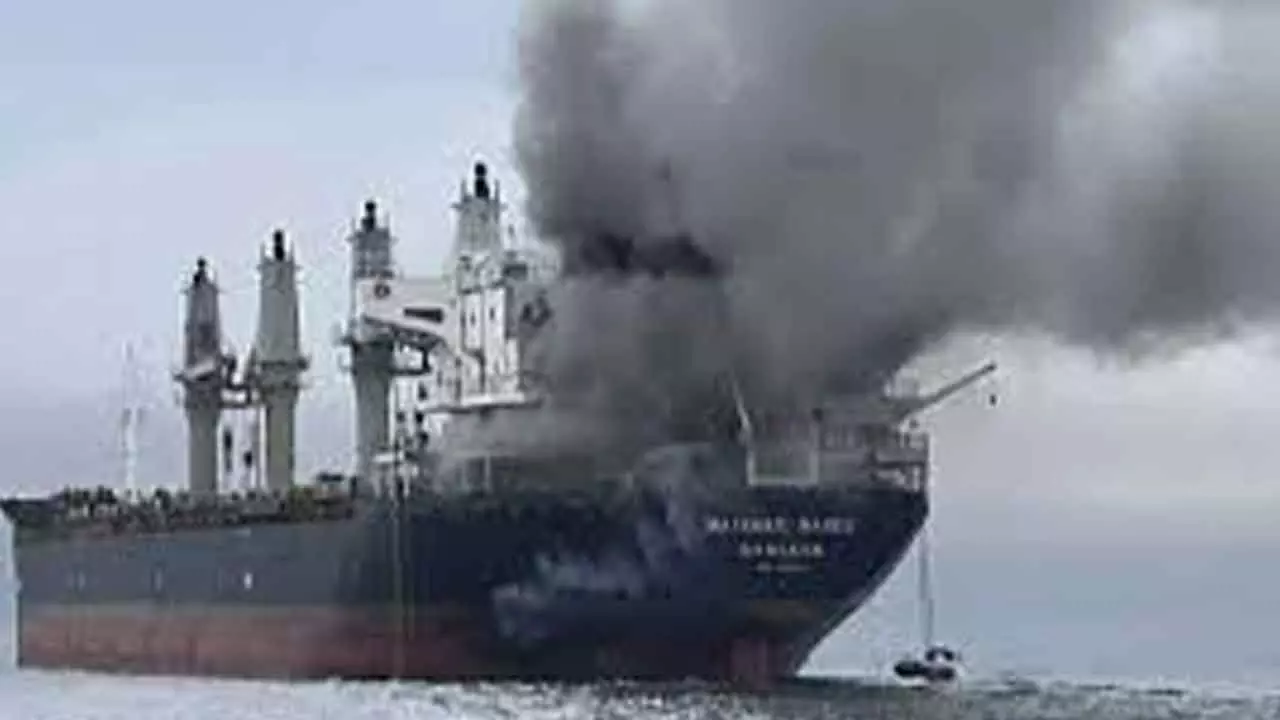
The 2026 Middle East conflict has triggered a severe global energy crisis, with the shutdown of the Strait of Hormuz halting over 13 per cent of global oil flows and raising fears of a “doomsday” gas scenario, where prices could soar to $200 per barrel. Navigating this crisis requires a multi-pronged approach.
The most immediate priority is restoring safe passage through the Strait of Hormuz. Simultaneously, countries must release strategic petroleum reserves, potentially over 400 million barrels globally, to cushion supply shocks. Increasing production from non-Gulf sources, particularly the United States, and diversifying suppliers will also be critical.
In the longer term, accelerating the shift to renewable energy is essential to reduce dependence on volatile fossil fuel supply chains. As the saying goes, there are no price spikes for sunlight. Governments must also promote fuel-saving measures, such as rationing, public transport incentives, and remote work policies, to curb demand.
Oil prices have already surged past $100, impacting industries and household budgets alike. Across Asia, shortages of diesel and liquefied petroleum gas (LPG) are disrupting food services and supply chains. Analysts warn of stagflationary pressures reminiscent of the 1970s oil shocks, raising the spectre of a global recession. Attacks on key infrastructure, including in the UAE, threaten to worsen the situation.
Repairing damaged LNG infrastructure could take months, prolonging the crisis. This underscores the urgent need for long-term policy shifts focused on energy security and self-sufficiency, reducing reliance on Middle Eastern imports.
Two weeks into the conflict, the war between the United States and Iran has already had far-reaching consequences. Thousands have been killed, over $11 billion has been spent, and rising fuel prices are straining household budgets, particularly in the United States.
Diplomatic efforts have so far failed to yield results. Iran has cited a lack of trust in the U.S., pointing to previous negotiations that collapsed and led to renewed hostilities. Despite ongoing backchannel efforts, both sides appear to be preparing for a prolonged conflict.
The United States aims to curb Iran’s regional influence and secure critical shipping routes, while Iran is demanding an end to what it calls “aggression and assassination,” along with reparations and recognition of its authority.
While some reports suggest "meaningful progress" is possible, others indicate that both sides are preparing for a long conflict, making a quick, successful peace deal challenging. The effectiveness of these talks is highly dependent on whether both parties believe negotiation is more beneficial than continued military action.
U.S. President Donald Trump has claimed that “great progress” has been made in negotiations. However, he has also issued stark warnings, stating that if Tehran does not agree to a peace deal and reopen the Strait of Hormuz, the U.S. could escalate its military response by targeting Iran’s energy infrastructure. Such an attack, particularly on Kharg Island, through which nearly 90 per cent of Iran’s crude exports pass, would have devastating consequences for the country’s economy and global oil markets.
Even as the White House signals progress in talks, the U.S. has ramped up its military presence in the region, deploying thousands of Marines and sailors. Tehran has cited these moves as evidence that Washington is not serious about diplomacy.
Tehran has also denied engaging in direct talks with the U.S. and has rejected a reported 15-point peace proposal as “excessive and unreasonable.” With both sides entrenched and global markets on edge, the path forward hinges on whether diplomacy can outpace escalation. Until then, the world remains vulnerable to one of the most significant energy shocks in recent history.





