

10L solar pumps installed, 13 lakh grid-connected pumps solarised
Renewable energy technologies are playing an increasingly important role in agriculture, particularly through solar irrigation pumps
10L solar pumps installed, 13 lakh grid-connected pumps solarised
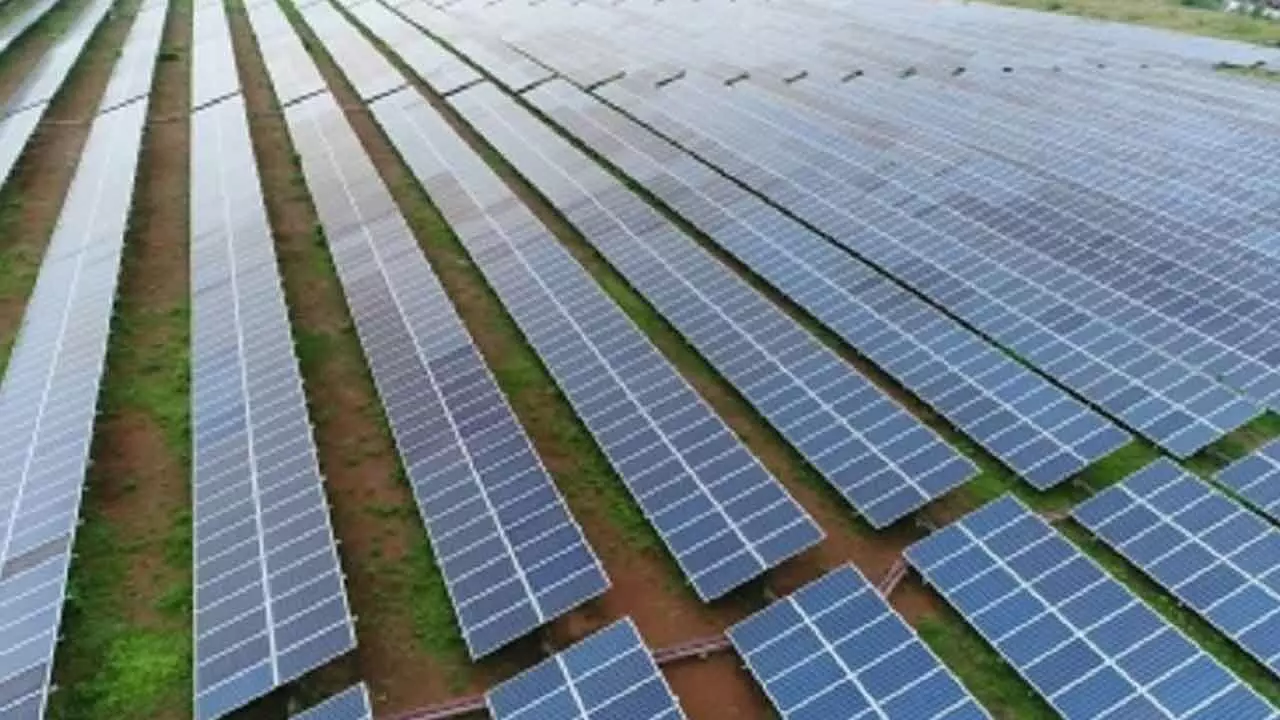
Under the PM-KUSUM scheme, more than 10 lakh standalone solar agricultural pumps have been installed, and over 13 lakh grid-connected agricultural pumps have been solarised across the country, according to Minister of New and Renewable Energy, Pralhad Joshi.
Addressing an event here, Joshi highlighted the growing role of renewable energy in strengthening India’s rural economy and enhancing farmers’ incomes.
He said renewable energy is increasingly reaching India’s farms and households, helping farmers access reliable power while reducing irrigation costs and improving farm productivity.
“A farmer irrigating his field today may be doing so using solar power, and a household that once worried about electricity bills may now be producing its own electricity through rooftop solar. This is not just an energy transition, it is also a transformation of the rural economy,” the minister noted.
Renewable energy technologies are playing an increasingly important role in agriculture, particularly through solar irrigation pumps, which enable farmers to reduce dependence on diesel and access reliable daytime irrigation.
Diesel irrigation can cost nearly Rs 6,790 per acre for wheat and over Rs 8,000 per acre for crops such as cotton. Solar pumps can help farmers save between Rs 5,000 and Rs 6,500 per acre annually, while also reducing emissions.
The minister informed that the government is preparing PM-KUSUM 2.0, which will include a dedicated 10 GW Agri-PV component to promote the co-location of solar panels with crops.
This initiative will enable farmers to generate electricity while continuing agricultural activities on the same land, creating a new model for decentralised renewable energy generation in rural India.
Joshi said that combining solar power generation with agricultural cultivation can significantly improve land productivity and provide farmers with an additional source of income.
Estimates indicate that India’s agrivoltaic potential could range from 3,000 GW to nearly 14,000 GW, reflecting the scale of opportunity in integrating renewable energy with agriculture.





