

Long Range Electric Bikes with Torque Sensors: Why Businesses Are Investing
Electric mobility isn’t just for ride sharing any more. Nowadays, businesses all over the globe are investing in Long Range Electric Bike fleets and top of the
image for illustrative purpose
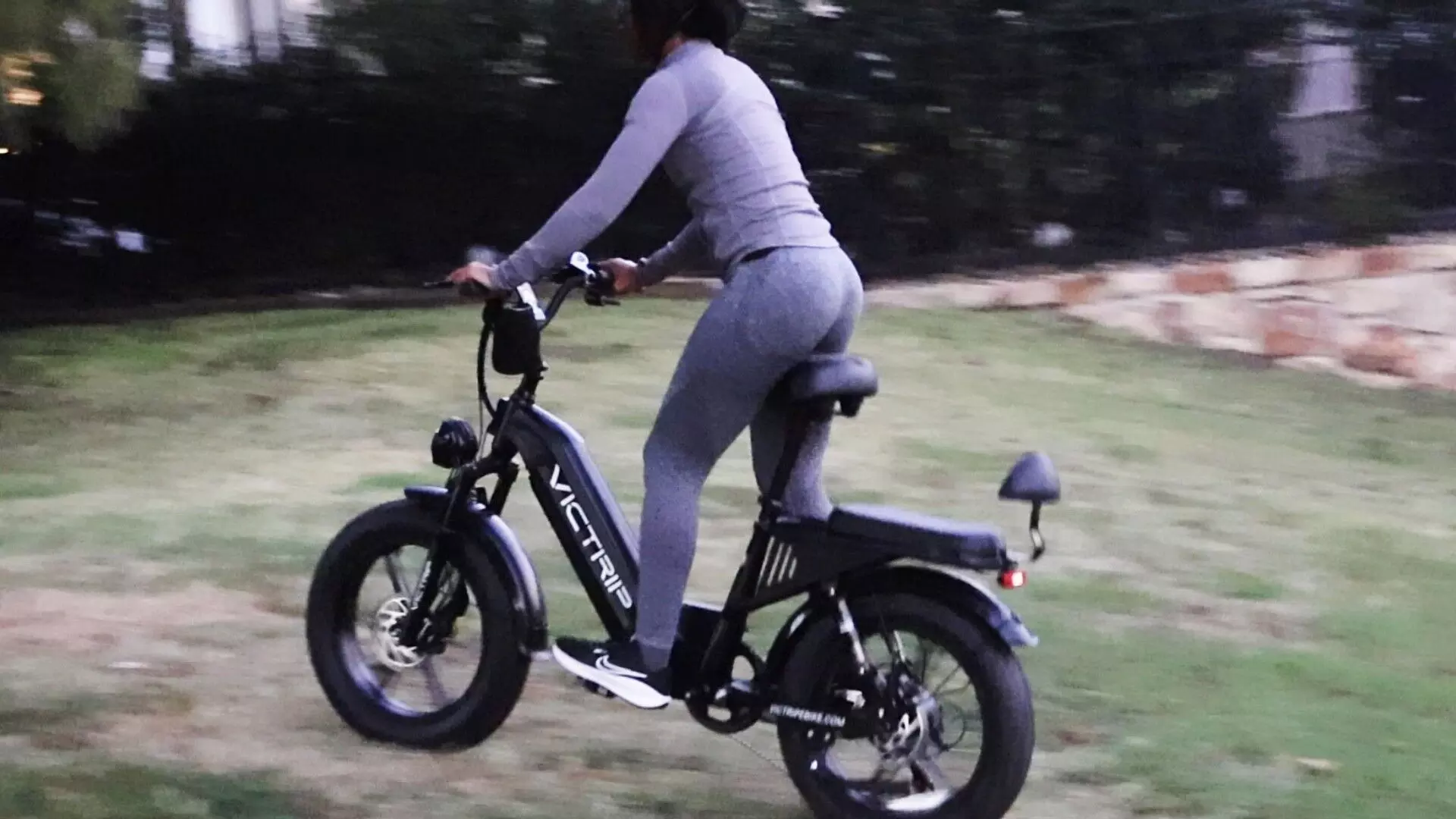
Electric mobility isn’t just for ride sharing any more. Nowadays, businesses all over the globe are investing in Long Range Electric Bike fleets and top of the line Electric Bicycles With Torque Sensors options as a novel way to reduce fuel costs, simplify delivery logistics structure and encourage their business towards sustainable targets. With improved battery life, intelligent controllers, and a torque-sensing mechanism, these bikes are turning out to be one of the most intelligent investments in business this decade. From delivery fleets to tourism rentals and corporate commuting services, the move to carbon-free platforms is happening at warp speed.
Why Torque Sensor Technology Matters for Corporate Fleets
The rise of the pulsating and rumbling power delivery of E-BIKE With Torque Sensors has made them much smoother, more responsive and faster to go around with doing business everyday cycle.Torque sensor¬s like Giant’s SyncDrive have revolutionized performance for e-bikes. Unlike cadence-only systems, a torque sensor reads immediate pressure the rider puts on the pedals and provides an instant motor assist accordingly. This in turn creates a more natural pedalling action, so less load is placed on the mechanism and longer life in use is achieved.
Employers using these to deliver goods or for on-site work will appreciate consistent pedal assist, especially in slow moving, stop-and-go urban routes. The more gradual acceleration curve helps riders avoid jerky starts and keep packages secure, which is particularly important for e-commerce, pharmacy riders, food couriers. Long Range measurement values Long Range Electric Bike battery systems will benefit with holders of torque sensors, enabling better service intervals and fleet downtime.
The Long-Range Advantage for Delivery and Logistics
The number one reason businesses are migrating to long range electric platforms is simple: operational range. When it comes to use for commercial work, a Long Range Electric Bike can easily cover your daily urban distance without having to take multiple charging breaks. For logistical teams, this means fewer disturbances, decreased electricity expenditure and more efficient delivery times.
Fleet operators using bikes and trikes in crowded cities are the biggest beneficiary of longer battery cycles. Multi-shift riders eliminate the need for battery swaps, resulting in lower fleet management costs and fewer infrastructure requirements. As urban delivery demand continues to increase, the ability to scale can be a compelling one : businesses are able to take on more riders without necessarily having to fork out for energy resources at an equivalent rate.
Etrike Systems for Heavy-Duty Usage
Bikes are undoubtedly popular in the Mobility as a service sector, but many businesses are realizing that they now need to take cargo (or passengers) and this is where Etrike has tremendous attraction due to stability of vehicle and product offering. With three wheel frames, you can carry heavier loads without losing balance at low speeds and narrow turns. Cold storage boxes, food delivery containers and courier packages can all be mounted, which makes it a popular selection for grocery chains, medical suppliers and same day delivery services.
Cargo The addition of a torque sensor in commercial Es and Rebel models provides constant traction even under full loads. Motor support is controlled according to the rider's pressure; this is important for a system that needs to carry 100–200 kilograms of things on hilly or uneven roads. The benefits for businesses are increased reliability, decreased maintenance cost and smoother acceleration, which is meant to reduce tire wear, brake wear and drivetrain strain.
Corporate Sustainability and Cost Reduction Benefits
Electric mobility is rapidly becoming a corporate sustainability pillar. Companies that invest in Electric Bicycles With Torque Sensors and Long Range Electric Bike fleets experience a measurable decrease in carbon output and fuel reliance. With global regulations tightening, eco-compliant mobility is no longer a branding choice but a long-term operational strategy.
Compared to fuel motorcycles, electric fleet vehicles require no oil changes, no combustion repairs, and minimal servicing. Battery health tracking further allows companies to schedule recharge and rotation cycles effectively. For enterprises aiming to meet environmental reporting standards or qualify for urban emission incentives, switching to Etrike and bike fleets creates both financial and regulatory advantages.
Improving Employee and Rider Efficiency
They are also being replaced by Electric Bicycles With Torque Sensors in Corporate Commuting Plans, as they allow workers to travel faster with less fatigue. In industrial parks or sprawling campuses, long-range electric platforms help workers gliding effortlessly between work spots without the need for shuttle vans or gasoline scooters. Thanks to the pedal assist comfort is guaranteed and torque regulation ensures power generation in proportion to exertion providing a gentle journey for those that aren't used to cycling.
Businesses also find that they enjoy increased arrival times and limited transport inefficiencies when employees have access to a Long Range Electric Bike fleet. Riders escape traffic, eliminate transit delays and have the flexibility to travel urban areas without restrictions. Research based on metro courier groups has shown an average delivery time reduction of over 30% during peak hours by using electric, because the rider can take different routes and monitor speed via torque sensor activation.
Future Outlook: Smart, Connected, and Scalable
As we continue to see Rider Data Integration progress so will E bikes With Torque Sensors with even more pronounced benefits against smart analytics. Fleet dashboards, GPS route management and battery diagnostics will enable companies to better allocate vehicles and anticipate when their servicing will be required before any downtime occurs. Etrike fleets will further grow in the retail and logistics segments, as electric cargo zones are implemented across cities and emission-free delivery corridors are being rolled ou.
This combination of endurance and smart power response with minimum operational overhead makes electric fleets a solution for long-term, rather than a temporary fuel alternative. Early-adopter businesses will continue to experience cost efficient, improved delivery performance and increased sustainability rankings.





