

How the Right Cardboard Box Protects Your Products in Transit
Here's the thing — most business owners don't think twice about their cardboard boxes. They grab whatever's cheap, stuff their product inside, slap on some tape, and hope for the best.
image for illustrative purpose
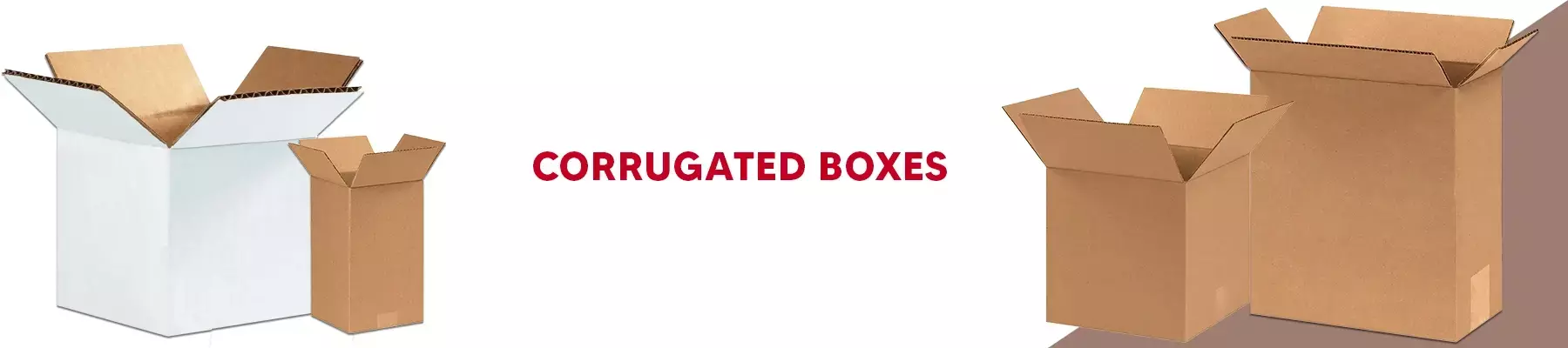
Look, I've been in the shipping game for over a decade now. And if there's one thing that still keeps me up at night? It's thinking about all the packages I've seen crushed, dented, or straight-up destroyed because someone picked the wrong box. Sounds dramatic, I know. But when you've watched a pallet of ceramic mugs arrive looking like a pile of expensive gravel... you start to care about packaging a little more than most people.
Here's the thing — most business owners don't think twice about their cardboard boxes. They grab whatever's cheap, stuff their product inside, slap on some tape, and hope for the best. And honestly? That worked fine back when shipping was gentler. But nowadays, with packages getting tossed between trucks, planes, and conveyor belts at lightning speed... hoping isn't a strategy anymore.
Why Corrugated Packaging Matters More Than You Think
Corrugated shipping containers aren't just "boxes." They're engineered. Seriously. There's actual science happening between those layers of paper. You've got your outer liner, then this wavy fluted layer in the middle, then another liner. That fluted part? It acts like a shock absorber. Think of it like the suspension on your car — when the road gets bumpy, something's gotta take the hit so your cargo doesn't.
I remember this one time — must've been 2018 or so — we had a client shipping handmade pottery across the country. Beautiful stuff. They'd been using thin, flimsy packaging from some discount supplier. Every. Single. Shipment. came back with damage claims. We're talking 30% loss rate. Brutal.
So we switched them to double wall corrugated containers with proper cushioning. You know what happened? Damage dropped to under 2%. Same products. Same shipping routes. Different box. That's when it really clicked for me how much the packaging itself matters.
Understanding ECT Ratings and Wall Strength
Okay, this is where it gets a little technical. But stick with me — it's worth knowing.
ECT stands for Edge Crush Test. Basically, it measures how much pressure a box can handle before it caves in. You'll see ratings like ECT-32, ECT-44, ECT-48... the higher the number, the stronger the box. Simple enough, right?
Single wall boxes — they're your everyday shippers. Good for stuff under 40-65 pounds depending on the rating. But if you're sending anything heavy, fragile, or valuable? Double wall is where it's at. Five layers instead of three. Two fluted sections absorbing impact. Way sturdier.
And then there's triple wall for the really intense stuff. Industrial equipment. Heavy machinery parts. Things that would crush a regular box without even trying. Most folks won't need that level of protection, but... it exists. Which is kinda cool.
Choosing the Perfect Size for Transit Protection
A cardboard box that is too big creates problems. I know that sounds backwards — wouldn't more space be safer? Nope. When your product rattles around inside a oversized container, it's basically playing pinball every time the package moves. All that empty space becomes room for damage.
The sweet spot? About 1-2 inches of clearance on each side for protective padding. Enough room for bubble wrap, foam peanuts, or crinkle paper. Not so much that your product becomes a loose cannon.
Too small is obviously bad too. Stuffing things into tight packaging stresses the seams. One rough handling event and suddenly the corners are splitting open. I've seen it happen with electronics more times than I can count. Someone tries to squeeze a router into a box meant for a smaller model and —
Actually, speaking of electronics. That's a whole other can of worms. Static-sensitive items need special anti-static bags inside regular corrugated packaging. Layers upon layers. It's not just about physical damage at that point.
How Environmental Factors Affect Shipping Containers
Here's something people forget about: weather happens. Your package might sit on a loading dock in humid Florida heat. Or get loaded onto a freezing cargo plane. Temperature swings. Moisture exposure. All of it impacts how well your packaging holds up.
Standard kraft corrugated does fine in most conditions. But if you're shipping perishables or moisture-sensitive goods, you might need weather-resistant options. Wax-coated liners. Insulated containers with foam inserts. Companies like Ucanpack actually offer specialized solutions for these situations — everything from insulated shipping containers to hazardous material packaging.
And yeah, I know what you're thinking. "That sounds expensive." Sometimes it is. But compare that cost to replacing damaged inventory? Dealing with angry customers? Processing returns and refunds? Suddenly spending a few extra cents per unit doesn't seem so bad...
The Eco-Friendly Angle Nobody Talks About
Sustainability in packaging used to feel like a nice-to-have. Now? Customers actually care. They notice when you ship in recyclable materials versus plastic-wrapped everything.
Modern corrugated containers can be made from up to 95% recycled content. Fully recyclable in standard cardboard recycling streams. Soy-based inks for printing. Biodegradable adhesives. It's pretty remarkable how far the industry has come.
Plus — and this is something I didn't expect when I first started researching this — recycled cardboard boxes actually maintain the same strength and durability as virgin fiber options. So you're not sacrificing protection for the environment. Win-win situation, honestly.
Custom Printing Turns Packaging Into Marketing
Okay, slight tangent here. But it's related, I promise.
Your shipping container is the first physical touchpoint with your customer. The very first thing they see and touch when their order arrives. So why would you send it in a plain brown box when you could have your logo, brand colors, maybe even a fun message printed right on there?
Custom printed packaging creates what marketing folks call an "unboxing experience." Sounds fancy. Really just means making people excited to open their stuff. And those experiences get shared on social media. Free advertising, basically. From a box.
I've seen small e-commerce brands double their social mentions just by switching to custom printed containers. People literally film themselves opening packages now. Wild times we're living in.
Wholesale Options for Growing Businesses
Shipping supplies add up fast when you're moving volume. Like, scary fast. One of my clients was spending almost $4 per shipment on packaging alone before we helped them set up a wholesale account.
Buying direct from manufacturers — companies like Ucanpack have distribution warehouses across the country from Chicago to Los Angeles — can save 15-30% compared to retail pricing. Volume discounts kick in pretty quick too. Sometimes starting at just 25 boxes per size.
The real game-changer is consistency though. When you're buying wholesale, you get the same quality every time. Same dimensions. Same strength ratings. No surprises. Your packing team gets efficient because they're not constantly adjusting to different box specs.
Final Thoughts on Protecting What You Ship
Choosing the right protective packaging isn't glamorous work. Nobody's posting Instagram stories about their ECT ratings. But it's the kind of behind-the-scenes decision that separates businesses that thrive from ones that drown in damage claims and bad reviews.
The right corrugated container — sized correctly, strong enough for the weight, maybe custom printed if you're feeling fancy — can literally save your business thousands. I've seen it happen. I've watched companies go from bleeding money on returns to running smooth operations just by paying attention to their packaging.
So next time you're about to grab the cheapest box you can find... maybe pause for a second. Think about where that package is going. What it's gonna encounter along the way. And ask yourself if "good enough" is really good enough.
Because your products deserve better. And so do your customers.





