

Duty free strategies shaping the industry
Duty-free strategies are reshaping the retail industry, driving higher passenger spending, premium brand partnerships, digital engagement, and airport-led growth.
Duty free strategies shaping the industry
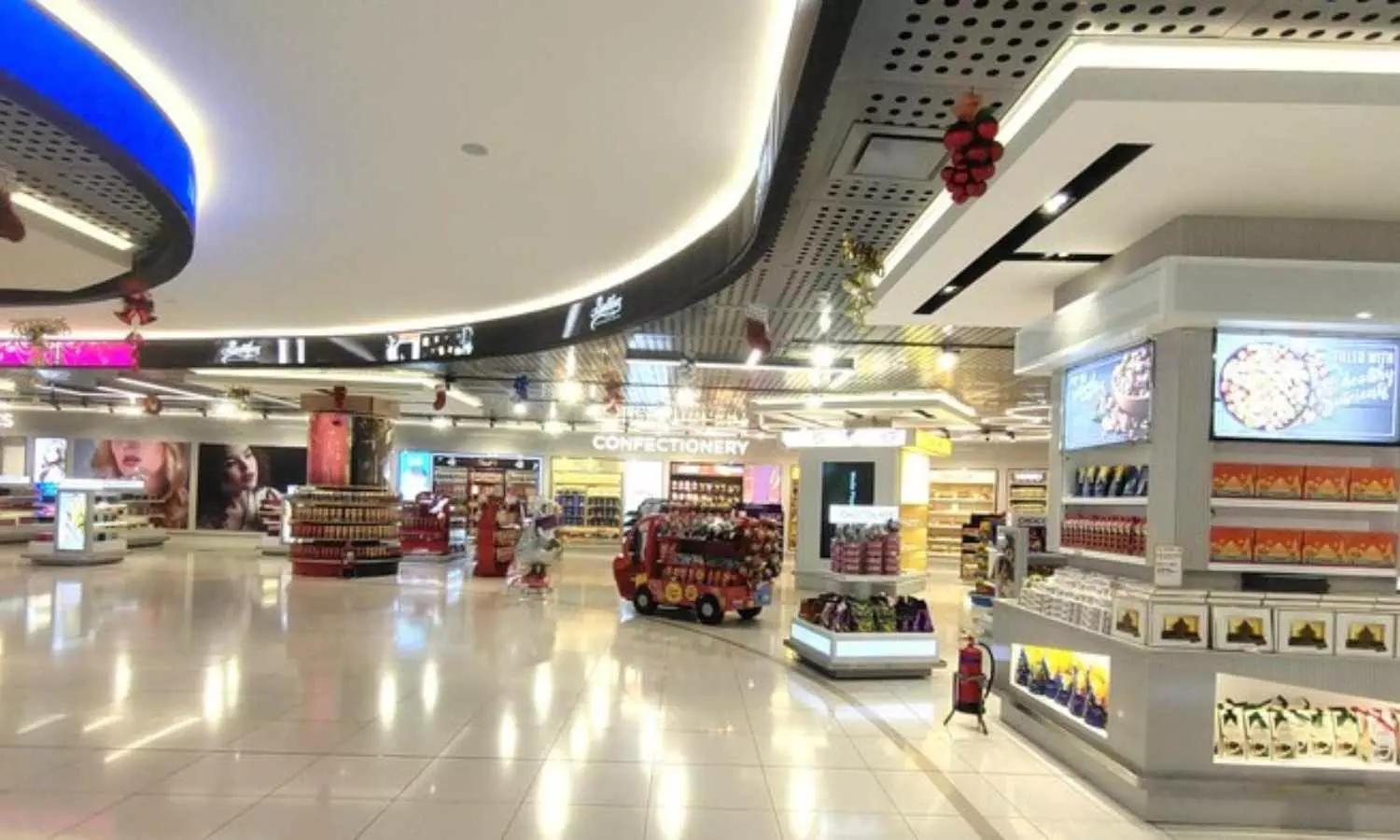
Reshaping duty-free strategies involves a big digital push (AI, AR, mobile), focusing on personalized customer experiences (loyalty, pop-ups, lounge integration), enhancing convenience (Click & Collect, seamless omnichannel), and embracing sustainability, all while optimizing pricing and diversifying product offerings beyond traditional luxury goods to meet evolving traveler demands.
By adopting these strategies, duty-free operators can attract more customers, increase sales, and remain relevant in a changing travel landscape, transforming shops from simple duty-free points into integral parts of the airport journey.
Reshaping duty-free strategies for 2025 focuses on digital-first omnichannel experiences, integrating AI/AR for personalization, expanding wellness/luxury products, strengthening airline/airport partnerships, and enhancing supply chain agility to counter tariffs and evolving consumer demands, with a key shift towards experiential retail and data-driven, seamless journeys from pre-flight to post-landing.
The global duty free retailing market size was valued at USD 48.27 billion in 2024. The market is projected to grow from USD 50.90 billion in 2025 to USD 72.58 billion by 2032, exhibiting a CAGR of 5.4% during the forecast period.
Duty-free retailing refers to the sale of goods exempt from certain national and local taxes and duties, typically to international travelers departing from or arriving in a country. This retail channel operates primarily at international transportation hubs such as airports, seaports, and some border crossings. The product assortment is diverse, encompassing categories such as perfumes & cosmetics, alcohol & spirits, tobacco, confectionery, and luxury goods like fashion & accessories. Because these items are free from import duties and value-added taxes, they are often priced lower than in domestic retail markets, providing significant value to consumers.
The market's growth is being driven by the robust recovery of global travel and tourism post-pandemic. The Airports Council International (ACI) reported that global passenger traffic reached 8.5 billion in 2023, a clear indicator of the returning traveler base that fuels this sector. Furthermore, the rise of digital integration, with features like online pre-ordering and click-and-collect services, is enhancing the shopping experience and operational efficiency. However, the industry must navigate challenges such as intense competition among retailers and potential volatility in travel patterns due to geopolitical and economic factors.
Modern travelers increasingly view duty-free shopping as an integral part of their journey experience rather than merely a transactional activity. The shift toward experiential consumption has elevated the importance of duty-free retail spaces as destinations offering exclusive products and premium shopping environments. Younger demographics, particularly millennials and Gen Z travelers, demonstrate stronger inclination toward impulse purchases and luxury brand discovery while traveling. This behavioral shift is complemented by the growing influence of social media platforms where travelers share their shopping experiences, creating organic marketing and driving additional foot traffic to duty-free locations.
Furthermore, the rising preference for premium and luxury products at value-driven prices continues to attract discerning shoppers to duty-free channels.
The duty-free industry operates within a complex web of international regulations governing tax exemptions, import restrictions, and product compliance. Changes in duty-free allowances, product category restrictions, or tax policies across different jurisdictions create significant compliance challenges. Operators must navigate varying regulations regarding alcohol and tobacco products, luxury goods tariffs, and permissible quantities for different traveler categories. The administrative burden of maintaining compliance across multiple locations while adapting to frequent regulatory updates requires substantial resources and specialized expertise.
Space constraints at transportation hubs often limit the expansion and renovation of duty-free facilities. Airport operators face competing demands for retail space versus operational requirements, creating challenges for retailers seeking to enhance their footprint or customer experience.
Maintaining optimal inventory levels across numerous locations with fluctuating passenger demographics requires sophisticated supply chain management. The need to balance product availability with space constraints and perishable goods presents ongoing logistical challenges.
The convergence of physical and digital retail channels presents significant opportunities for duty-free operators to enhance customer engagement and revenue generation. Advanced technologies including mobile applications, augmented reality experiences, and contactless payment systems enable retailers to create seamless shopping journeys that begin before travel and continue after return. The implementation of reservation systems, click-and-collect services, and home delivery options extends the shopping window beyond the traditional airport visit. This digital transformation allows operators to capture pre-travel anticipation spending and post-travel replenishment needs, effectively expanding their addressable market.
Additionally, data analytics capabilities derived from digital interactions enable personalized marketing and improved inventory planning based on traveler demographics and preferences.
Furthermore, partnerships with airlines and travel platforms create additional touchpoints for customer acquisition and brand exposure throughout the travel ecosystem.
Asia-Pacific dominates the global duty-free retailing landscape, driven by robust tourism recovery, rising disposable incomes, and extensive airport infrastructure development.





