

Common Technical SEO Issues That Hurt Rankings Without You Realizing
How Hidden Technical SEO Issues Impact Rankings and How to Fix Them
image for illustrative purpose
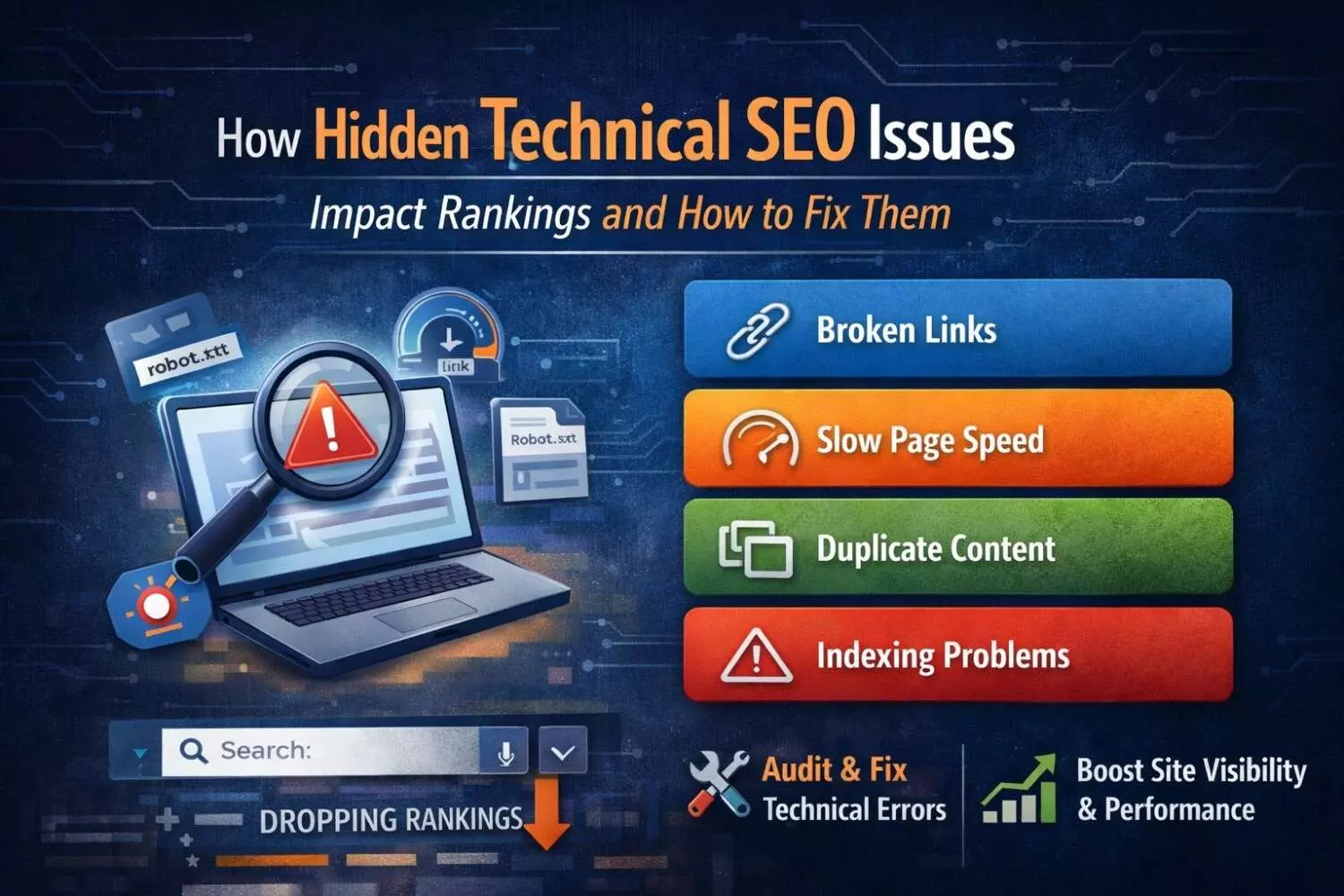
Many businesses invest time and resources into content creation, branding, and marketing, yet still struggle to improve their search rankings. Often, the issue isn’t the quality of the content—it’s technical SEO problems happening behind the scenes. These issues can quietly limit visibility, reduce crawl efficiency, and prevent pages from ranking, all without obvious warning signs. Working with a knowledgeable technical seo consultant helps identify and resolve these hidden obstacles before they negatively impact performance.
Website Errors That Often Go Unnoticed
Some of the most damaging technical SEO issues are also the easiest to overlook. Because they don’t always affect how a site looks to users, they can go unnoticed for months or even years while slowly hurting rankings.
Broken links are a common example. Internal links that lead to missing pages create a poor user experience and disrupt crawl paths for search engines. Over time, this can weaken site structure and reduce the flow of authority between pages. Similarly, outdated redirects or redirect chains can slow down crawl efficiency and dilute ranking signals.
Another frequent issue is slow page speed. Websites often accumulate unnecessary scripts, plugins, or unoptimized images that increase load times. Even small delays can increase bounce rates and reduce engagement, both of which send negative signals to search engines. Performance issues are especially harmful on mobile devices, where users expect fast, seamless experiences.
Duplicate content is another hidden problem. This can occur unintentionally through URL parameters, multiple versions of the same page, or poorly configured CMS settings. When search engines encounter duplicate content, they may struggle to determine which version to rank, resulting in lower visibility for all versions.
Poor internal linking also hurts SEO quietly. When important pages aren’t linked properly, search engines may treat them as less valuable or fail to crawl them consistently. Strong internal linking clarifies content hierarchy and helps distribute authority throughout the site.
Even high-quality backlinks can lose value if technical issues interfere with how search engines interpret your site. Ensuring your technical foundation is sound allows external links to pass their full benefit. This is why technical SEO often works hand-in-hand with quality link-building services—links are most effective when the site receiving them is properly optimised.
Crawl and Indexing Issues That Block Visibility
Crawl and indexing problems are among the most serious technical SEO issues because they directly affect whether your pages appear in search results at all. If search engines can’t crawl or index your content, even the best pages won’t rank.
One common issue is improper use of robots.txt files. While robots.txt is meant to control crawl behavior, a small mistake can accidentally block important pages or entire sections of a website. These errors often go unnoticed until rankings decline or traffic drops unexpectedly.
Noindex tags are another frequent culprit. Pages may be unintentionally marked as noindex during development or redesigns and never corrected. This prevents search engines from including those pages in search results, effectively hiding them from users.
XML sitemap issues can also block visibility. Sitemaps that contain broken URLs, outdated pages, or missing important content reduce crawl efficiency. A clean, accurate sitemap helps search engines prioritize the right pages and understand your site structure more clearly.
JavaScript-heavy websites can present additional challenges. If content relies too heavily on scripts without proper rendering support, search engines may not fully process or index it. This can lead to missing content in search results even though pages appear normal to users.
Canonicalization errors are another subtle issue. Incorrect canonical tags can signal to search engines that the wrong page version should be prioritized, causing important pages to lose rankings. Proper canonical setup ensures authority is consolidated correctly rather than split across duplicates.
These crawl and indexing challenges are often introduced during site updates or redesigns. Without SEO oversight, changes intended to improve appearance or functionality can accidentally harm visibility. Integrating SEO into site builds through custom web design services helps prevent these issues by aligning design decisions with technical best practices.
Conclusion
Technical SEO issues don’t always announce themselves, but their impact on rankings can be significant. From unnoticed website errors to crawl and indexing problems, these hidden obstacles can quietly limit search visibility and growth. Addressing technical SEO proactively ensures your content, links, and design efforts aren’t wasted. By maintaining a strong technical foundation and resolving issues early, businesses can protect their rankings, improve performance, and create a website that supports long-term SEO success.





