

Fragility of India’s aviation market exposed
The fragility of India’s aviation market has been exposed by rising costs, operational stress, and financial pressure, raising concerns over sustainability and resilience.
Fragility of India’s aviation market exposed
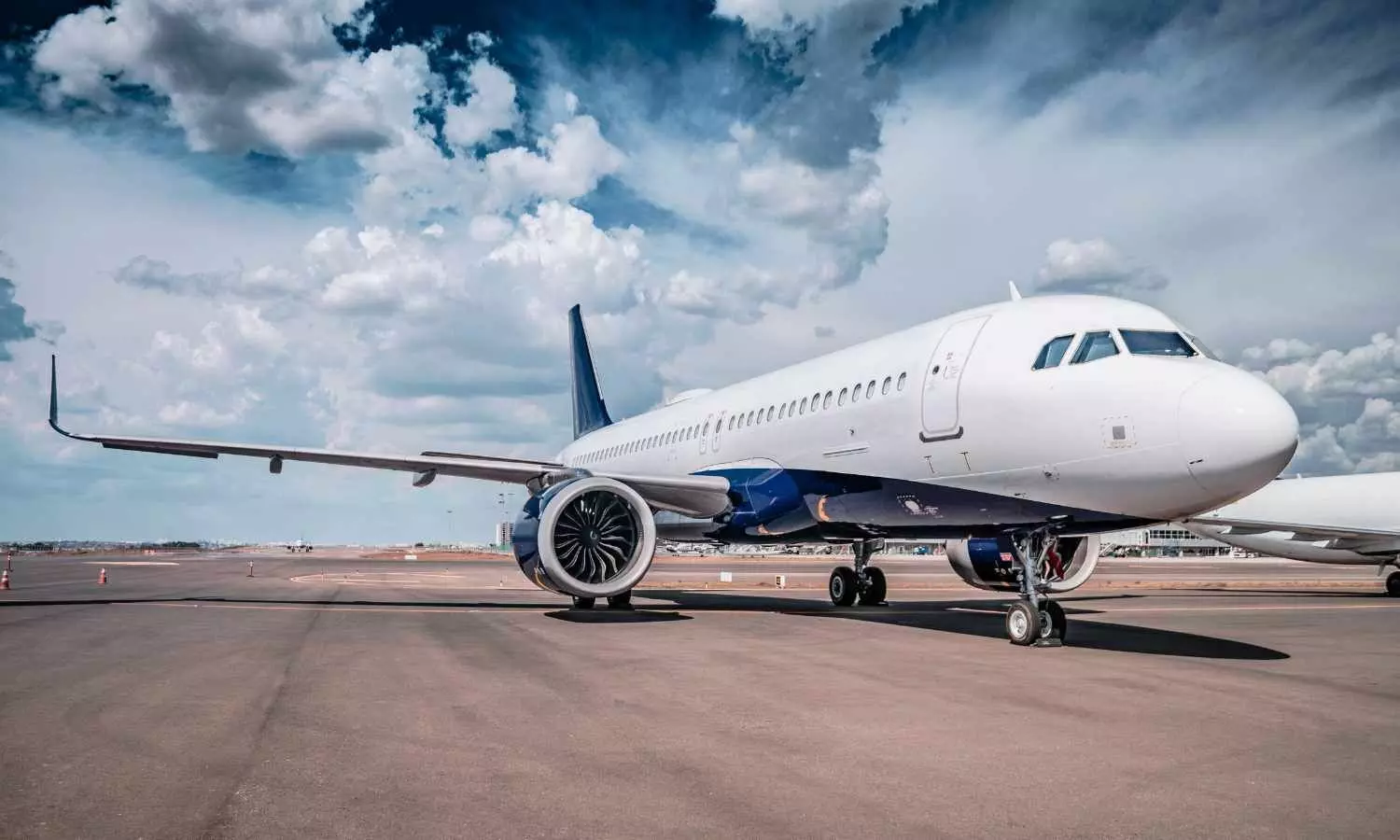
The crisis that has engulfed Indigo airline, led to more than 580,000 passengers being stranded. In a matter of days, the reputation of India’s biggest airline was in tatters.
IndiGo’s decision to abruptly cancel thousands of flights in early December triggered chaos in the world’s third-largest aviation market, and laid bare weaknesses that threatened the sector’s growth and showed the vulnerability of passengers.
The crisis that has engulfed the airline, and led to more than 580,000 passengers being stranded, was caused by its failing to adapt to new crew rostering rules, which require longer rest periods for pilots.
When those rules kicked in, the airline found itself short of staff and had to cancel flights.
The disruption also underlined the dangers of having one dominant carrier in the market and the weakness of the country’s regulatory oversight.
IndiGo has a 65 per cent market share and Air India 27 per cent in what is effectively a duopoly, with others such as SpiceJet having a much smaller presence.
IndiGo is facing intense scrutiny – and widespread criticism – for the mass flight cancellations. India’s aviation watchdog deploys monitors to IndiGo offices. IndiGo crisis shows perils of India’s corporate dominance
The crisis is one of the biggest challenges faced by IndiGo, a no-frills airline which has built its reputation on punctuality. India’s biggest airline IndiGo says operations are nearing normalcy.
The new crew rosters, with updated flight duty time limitations to reduce pilot fatigue, were announced by the government in January 2024 and implemented in two phases.
Beginning in November 2025, pilots were to get a mandatory 48-hour rest period each week, instead of 36 hours, and have a maximum of two night landings and consecutive night duties.
But IndiGo appeared not to have prepared adequately, giving rise to speculation that the airline was trying to put pressure on the government to postpone the rules. As a result, it ended up with fewer pilots than it needed for its flights.
Its lack of preparation is now under investigation by the government. In contrast, other airlines managed the transition to the new rules without major problems.
India’s aviation sector has boomed as disposable incomes rose. Prime Minister Narendra Modi has said he wants even the poorest Indian to travel, and the government has doubled the number of airports in the country to 160 over the past decade.
But the industry has suffered boom and bust cycles of airlines starting up and then failing. Full-service carriers Kingfisher Airlines and Jet Airways collapsed in 2012 and 2019, respectively, while budget airline Go First wound up in 2023. SpiceJet, too, has had to come back from the brink of financial disaster.
As each competitor fell, IndiGo absorbed their market share, passengers and routes.
Air India has had its own struggles after Tata Sons bought it from the government in 2022 and merged Vistara, Air India Express and AirAsia India into one airline. The airline, in modernizing, had suffered persistent financial losses even before the takeover, and continues to face passenger complaints on a range of issues.
The Air India crash on June 12, in which 260 people died, also set back its restructuring plans. Flight 171, en route from the city of Ahmedabad to London, crashed into a building just 32 seconds after take-off. A preliminary report indicated fuel supply to the engines had been cut off.
The huge gap between IndiGo and the others meant that none of the other airlines, including Akasa Air and SpiceJet, had the capacity to provide alternatives for stranded passengers.
As an immediate measure, the government has ordered IndiGo to reduce its flight operations by 10 per cent.
Air India has put out an advertisement inviting applications from experienced pilots for its Airbus A320 and Boeing 737 family of aircraft in a post on Instagram.
The IndiGo meltdown has also raised questions about regulatory oversight and the government’s handling of the crisis.
As an emergency measure, the government has temporarily put off the new crew roster rules.
Critics said the government and the DGCA, the regulator, should instead have tracked what was going on at IndiGo, and that postponing the rules, which are geared towards employee rights and safety, sent the wrong signal.
“The DGCA must impose stringent penalties, including significant fines and operational restrictions, to deter airlines from neglecting safety regulations and passenger welfare.”
How IndiGo, its competitors and the government respond will determine the future trajectory and strength of India’s aviation sector, with demand expected to keep growing strongly.
Critical issues such as pilot and other manpower shortages also need to be resolved, with many new planes on order.





