

The Hidden Costs of Ignoring Electrical and Vehicle Compliance Standards
Non-compliance with electrical and vehicle regulations can silently drain your business through fines, downtime, insurance losses, and reputational damage. Learn how proactive compliance protects your operations and finances.
image for illustrative purpose
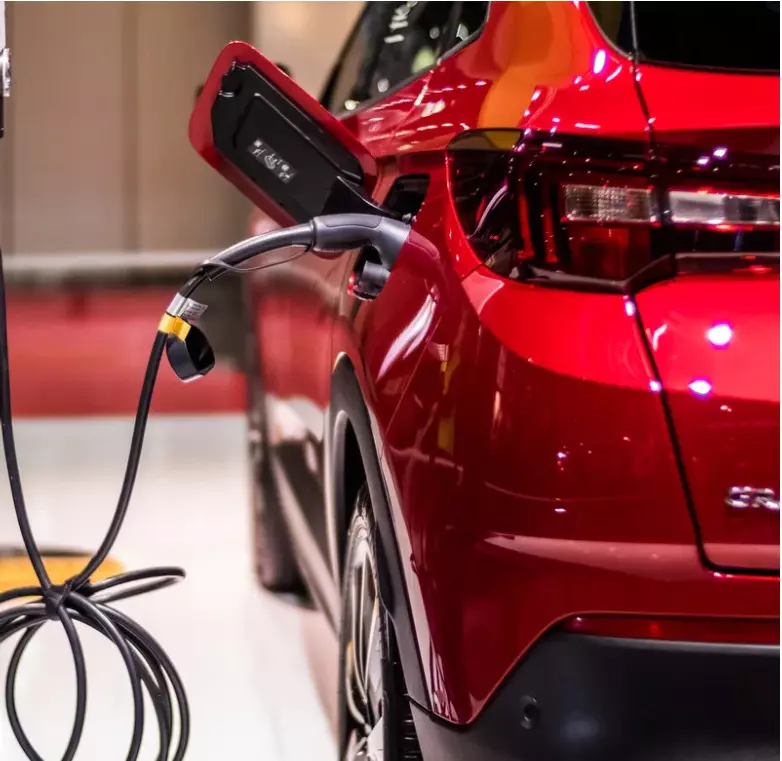
Compliance is commonly regarded as a box-ticking exercise, which is a necessity but is not a priority in the process of growth, innovation, and normal functioning. Non-conformity to standards can, however, lead to a series of hidden costs, not only much higher than the cost of preventive measures in the case of businesses with physical premises, but also for business vehicles. Two potential non-compliance risks organisations may encounter are electrical safety failures and vehicle identification, each with financial, operational, and reputational consequences that are often underestimated.
As regulatory focus increases, compliance is no longer an option but a part of risk management.
Electrical Compliance: Underground Professionals.
One of the most crucial yet neglected features of commercial and residential premises is the electrical system. It is possible that defective wiring, outdated installations, or absent inspections will not be detected until a significant accident occurs. The risks of electrical compliance failures threaten businesses, as they can result in equipment damage, lost business time due to fire, and employee injuries.
Beyond safety, non-compliance may also affect insurance coverage. The assertion may not hold when the inspection and testing records are either blank or out of date. "Electrical compliance is not simply a matter of regulations," as the Marketing Manager at HEXO Electrical Testing, Nely Hayes, clarifies, "but rather about avoiding disruptions that would halt operations entirely. Companies forget that simple electrical issues may easily turn into costly ones."
These dangers grow exponentially over time, especially when the building is old or electrical needs are increasing.
Identification and Vehicle Compliance Problems.
Vehicle compliance is closely comparable in terms of risk, especially in companies with fleets or company-owned vehicles. Issues with registration, identification, or legal display requirements can result in fines, vehicle off-road status, or audit and inspection issues. These issues are not very severe in an individual sense, but they may quickly accumulate in several vehicles.
Brand credibility can also be influenced by mismanaged vehicle compliance. The visible symbols of an organisation are its company cars, and a lack of compliance may be considered a poor illustration of professionalism in its operations. Jake Smith, the Managing Director of Absolute Reg, states, "Vehicle compliance is not taken seriously until it becomes a problem. Even minor oversights may have legal ramifications and incur unwarranted expenses, especially when a company considers such information self-regulating."
This is achieved through proper vehicle supervision to ensure they comply with the law and remain functional.
Monetary Costs other than fines.
The economic implications of non-compliance are far greater than regulatory fines. Some consequences of preventable compliance failures include business interruption, legal action, higher insurance rates, and a damaged reputation. When operations are disrupted, revenue loss is usually the consequence, and in some cases, the loss of long-term client trust.
The cost of remedial response to a compliance failure is often much greater than the cost of regular testing, record keeping, and monitoring. Preventive compliance is not just a cost; it is a cost of stability.
Reputational and Operational Implications.
Contemporary companies operate in an environment where transparency and accountability are essential. Lack of compliance, especially regarding safety, may erode trust among staff, clients, and business associates. The news about the incidents spreads easily, and reputational recovery may be slow and expensive.
Operationally, compliance problems tend to take leadership away from growth and strategy. The time spent on investigations, audits, or remediation is time stolen from core business targets.
Active Compliance Non-Reactive Future-Oriented Thinking.
The most competent organisations treat compliance as a continuous, ongoing process rather than a requirement. Regular electrical inspection, appropriate vehicle records, and regular maintenance of records are the basis for consistent operational confidence. This aggressive plan alleviates uncertainty and puts companies in a better position to respond if they are in the spotlight.
Compliance is another defense tool, as it not only allows businesses to protect their assets but also their people and image, given its adoption as a broader risk management instrument.
Conclusion:
The lack of care in meeting electrical and automotive compliance requirements can lead to hidden costs that silently sabotage the business's operations. The consequences tend to be widespread, whether in the form of safety risks and financial losses, or reputational and operational damage.
Compensation is not merely a regulatory liability, but also a strategic blanket. These obligations are intended to help organisations maintain control over their business expenditures, despite increasingly stringent business regulations.
Compliance is not only a regulatory liability for companies seeking long-term sustainability, but also a strategic insurance. Being able to manage such obligations before they occur helps organisations maintain the cost of doing business within the organisation at an affordable level despite continually tightening business rules.





