

Tata Motors seeks budget support for entry-level EVs as cost pressures mount
Tata Motors seeks Budget incentives for entry-level EVs and fleet electrification, warning rising costs and tax changes are hurting affordability in the electric car segment.
Tata Motors seeks budget support for entry-level EVs
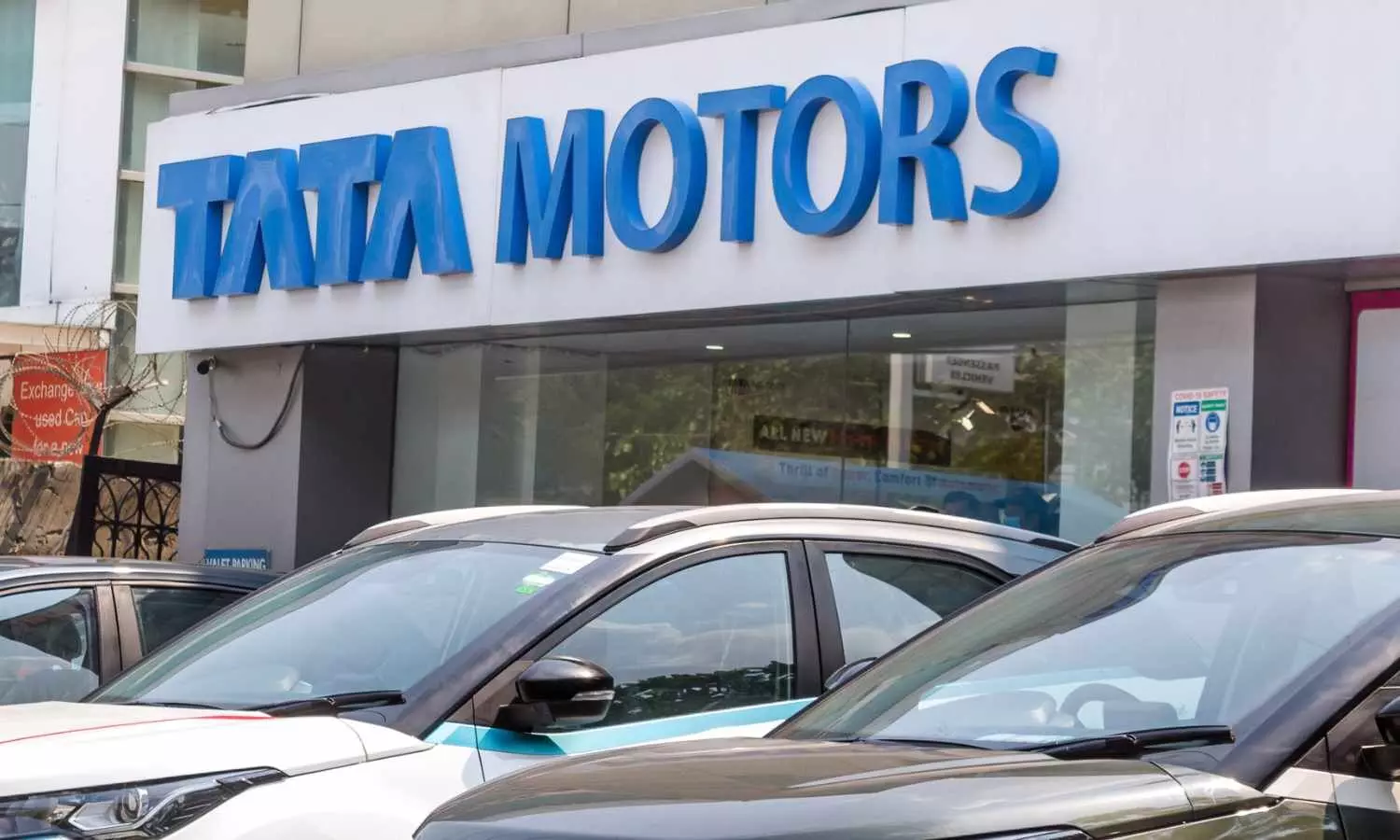
Tata Motors has urged the government to offer targeted incentives for entry-level electric vehicles and fleet EVs in the Union Budget, warning that rising costs and tax changes are squeezing affordability despite recovery in the broader passenger vehicle market.
Tata Motors has called on the government to provide targeted relief for entry-level electric vehicles (EVs) and extend incentives to electric cars used in fleet operations under the PM E-DRIVE scheme, citing sustained cost pressures on affordable EV models.
Speaking to news agency PTI, Tata Motors Passenger Vehicles Managing Director and CEO Shailesh Chandra said that while recent policy measures have helped revive demand in the passenger vehicle (PV) segment, entry-level EVs continue to face significant challenges.
Chandra noted that government interventions such as GST reforms, repo rate cuts, and changes to the income tax regime have supported the overall auto market. However, GST changes have also lowered petrol car prices, intensifying competitive pressure on entry-level electric cars.
“There is a lot of pressure on the entry segment on the EV side, and if the government considers some level of incentives, it would help,” he said, adding that recent reforms have tilted price parity back in favour of internal combustion engine vehicles at the lower end.
Highlighting the environmental case for fleet electrification, Chandra pointed out that fleet EVs account for only about 7 percent of passenger vehicle sales but contribute nearly 33–35 percent of total passenger kilometres travelled. While fleet EVs were supported under the earlier FAME-II scheme, they are currently excluded from the PM E-DRIVE programme.
“A fleet car runs nearly five times more than a personal car. Supporting this segment has a multiplier impact on emissions reduction and oil import savings,” he said, urging policymakers to reconsider their inclusion.
On pricing, Chandra acknowledged that rising commodity prices and foreign exchange volatility have eroded margins, resulting in an estimated 2 percent revenue impact. He indicated that Tata Motors may announce vehicle price hikes in the coming days as cost pressures persist.
Several automakers have already raised prices in recent weeks, citing higher input costs and currency-related challenges, signalling broader inflationary pressures across the auto industry.





