

European cars to get cheaper in India: Golf GTI, Octavia may drop by ₹15–20 lakh
India–EU FTA may cut import duties, making Mercedes, BMW, Audi, VW, Skoda, Ferrari & Lamborghini cars cheaper in India, especially luxury and performance models.
European cars to get cheaper: Golf GTI, Octavia may drop by ₹15–20 Lakh
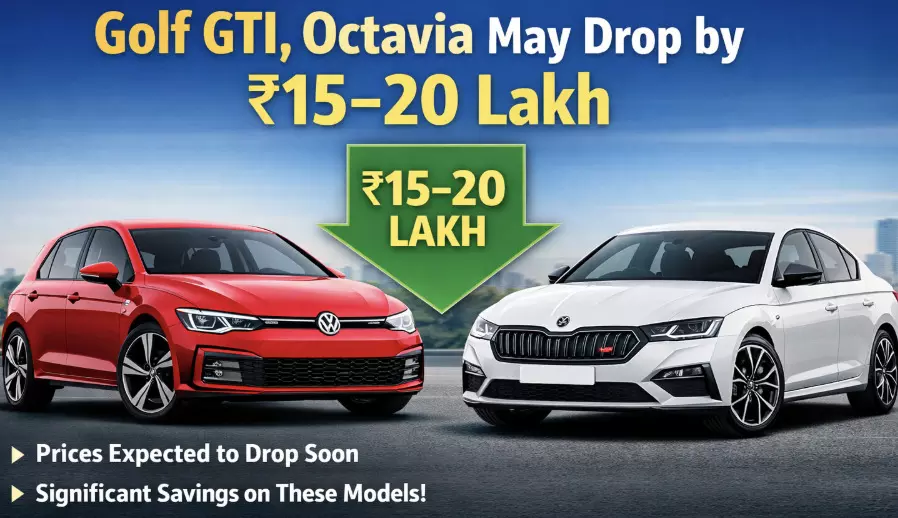
The tariff overhaul is expected to benefit European brands that export fully-built cars (CBUs) to India — especially high-value luxury and performance models. While Indian-assembled vehicles from these brands may see less immediate price change (since they already face lower duties), the deal could open the door for more models and more competitive pricing overall.
Here’s a breakdown of the major European brands and specific models likely to get cheaper under the FTA:
Mercedes-Benz
Mercedes-Benz is one of the biggest European luxury brands in India. Models that are imported fully built — especially flagship variants — are expected to benefit most:
Mercedes-Benz S-Class
EQS and EQE (Electric and hybrid, potentially future tariff adjustments)
GLS and G-Class
AMG performance models (e.g., AMG G63, AMG S63 E Performance)
With tariffs moving from ~110% to 40–10% over time, prices on top-end Benz models could fall by tens of lakhs of rupees, making them more affordable to buyers outside metro luxury segments.
BMW
BMW’s premium and performance cars — many of which are imported — stand to benefit:
BMW 7 Series and i7
Performance M models (e.g., M4 Competition)
X Series SUVs and select imported sedans/roadsters (e.g., Z4)
Duty reductions could help bring prices on fully imported BMW models closer to their European price points, though exact savings will depend on how much manufacturers choose to pass on to consumers.
Audi
Audi’s imported lineup — including premium SUVs and performance sedans — is expected to see price relief:
Audi Q8 / RS Q8
Imported A8 and S-Series sedans
High-end performance variants
The FTA could revitalise Audi’s presence in India, where it has faced stiff competition from both German rivals and local assembly lines.
Volkswagen & Škoda
While both brands have local manufacturing for popular models, select fully imported performance and niche models could see sharper price changes:
Volkswagen Golf GTI
Škoda Octavia vRS
Some imported SUVs and special editions
These vehicles, imported from Europe rather than assembled locally, currently attract high duties — and tariff cuts should make them more competitive relative to global pricing.
Luxury & Supercar Makers
Beyond the mainstream European brands, ultra-premium and supercar manufacturers that export fully built units to India are expected to benefit from lower tariffs:
Ferrari (e.g., Roma, SF90 Stradale, Purosangue)
Lamborghini (e.g., Urus, Huracán, Revuelto)
Bentley (Bentayga, Continental GT)
Rolls-Royce (Ghost, Phantom, Cullinan)
These brands currently pay exorbitant duties, making them some of the most expensive vehicles on Indian roads. Even a gradual tariff cut could reduce prices by crores of rupees on these models, though volumes remain niche.
How Much Cheaper Could Prices Get?
According to early estimates based on the tariff reduction:
Tariffs on imported European cars could drop from ~110% to around 40% initially (from 2026).
Over the next several years (by approximately 2030), tariffs could fall further toward 10% on qualifying vehicles, bringing them close to global norms.
For example estimates, vehicles like:
Volkswagen Golf GTI and Škoda Octavia vRS — could see price cuts in the ₹15–20 lakh range compared to current tariffs.
BMW M4 Competition, Audi RS Q8 — reductions possibly in the ₹40–70 lakh range or more for high-end trims.
Lamborghini Urus, Ferrari Purosangue — luxury supercars could see savings in ₹1 crore+ bracket as duties fall.
Note: These are indicative figures; final prices will depend on GST, cess, state taxes, dealer pricing strategies, and how much of the tariff benefit manufacturers choose to share with buyers.
Why the Tariff Cut Matters
👉 For Consumers
European luxury and performance cars — historically premium-priced — become relatively more affordable.
Buyers might find better value for money in imported models once duties normalize.
More competition among global brands may improve feature offerings and financing options.
For Manufacturers
European automakers could increase their presence in India — potentially launching more models or increasing imports under the quota system.
Brands may reassess local assembly vs. import strategies based on cost structures.
Indian dealers might expand inventories of European products previously constrained by tariffs.
For the Indian Market
Domestic brands stay protected at entry and mid-market levels due to quotas and phased tariff changes.
Indian automakers like Tata Motors and Mahindra continue to focus on local production and EVs, facing pressure mainly at the luxury end.
Important Caveats & Realities
Despite the enthusiasm, analysts urge caution:
Local assembly and CKD (completely knocked down) models already enjoy lower tariffs and may not see significant price changes.
Battery electric vehicles (EVs) may be excluded from initial tariff reductions for several years to protect the nascent Indian EV industry.
The benefits may take years to fully materialise, as tariff cuts are phased and quotas implemented.
Manufacturers may choose not to pass on 100% of the benefits to consumers, instead boosting margins or reinvesting in local supply chains.
The Road Ahead
The India–EU FTA is historic not just for the auto sector, but for bilateral economic ties spanning technology, services, manufacturing and more. While it promises to make European cars cheaper in India — especially in premium and luxury segments — the full impact will unfold over the next decade as tariffs are phased down and trade patterns adjust.
For Indian car buyers, this heralds a future with more choices and potentially more value from European marques that were once too costly for all but a small elite.





