

Elon Musk stumbles as Tesla loses ground, while BYD accelerates ahead in the global EV race
Elon Musk stumbles as Tesla loses ground, while BYD accelerates ahead in the global EV race
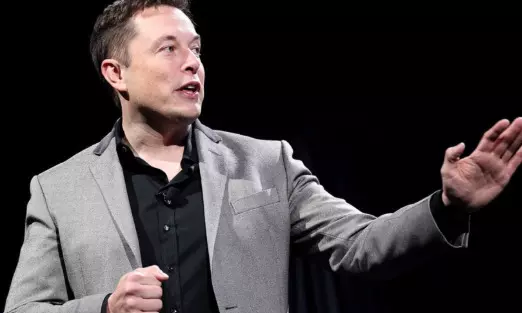
Tesla Inc. has posted a second straight annual decline in vehicle sales, falling further behind China’s BYD Co. and reshaping the global hierarchy of electric-vehicle makers. The slowdown underscores growing pressure on Elon Musk’s automaker just as competition intensifies and policy tailwinds fade.
Fourth-quarter deliveries slid 16% to 418,227 vehicles, Tesla disclosed Friday—missing both Bloomberg-compiled analyst forecasts and the company’s own already-lowered expectations. For the full year, global deliveries dropped 8.6%, marking another step back after years of rapid expansion.
BYD, meanwhile, surged ahead. The Chinese EV giant delivered nearly 2.26 million battery-electric vehicles in 2025, comfortably outpacing Tesla’s 1.64 million. That gap widened further when factoring in BYD’s massive plug-in hybrid business, which added more than 2 million vehicles for the second year in a row.
Yet investors appear largely unfazed.
Markets have continued to reward Tesla not for its car sales, but for Musk’s bold vision of an AI-driven future. The stock has been buoyed by expectations around autonomous driving, artificial intelligence, and the long-promised robotaxi business—diverting attention from weakness in Tesla’s core automotive operations.
Musk has leaned heavily into that narrative, spotlighting progress toward launching a robotaxi service. Turning that ambition into a scalable business will be critical in 2026, especially as Tesla faces a tougher demand environment in its largest market, the US. The Trump administration has rolled back federal EV incentives and weakened fuel-economy and emissions rules—policies that previously generated billions in regulatory credits for Tesla.
Wall Street had been bracing for a rough quarter following the expiration of a key US consumer tax credit for EV purchases. Still, the market reaction has been muted. As William Blair analyst Jed Dorsheimer put it, Tesla’s valuation today “is almost entirely tied to the transformation into real-world AI.”
Tesla shares rose 0.9% Friday morning in New York, trimming earlier gains. The stock finished 2025 up 11%, despite ending the year with six straight sessions of declines.
BYD Pulls Away
BYD decisively pulled ahead in 2025 after narrowly trailing Tesla a year earlier. While the Chinese automaker had already overtaken Tesla in fourth-quarter EV sales in 2024, Tesla had clung to a slim annual lead. That advantage is now gone.
Analyst sentiment on Tesla’s growth outlook has also cooled sharply. Two years ago, Wall Street expected Tesla to deliver more than 3 million vehicles in 2026. Today, consensus estimates have fallen to around 1.8 million.
There were bright spots beyond vehicles. Tesla reported a record 14.2 gigawatt hours of energy-storage deployments in the fourth quarter, up from 11 GWh a year earlier. For 2025, total energy deployments reached 46.7 GWh, a significant jump from 31.4 GWh in 2024—highlighting the growing importance of Tesla’s energy business.
Musk closed the year by reigniting excitement around the Cybercab, a compact two-seat vehicle with butterfly doors designed for autonomous ride-hailing. While the prototype unveiled in late 2024 lacked a steering wheel and pedals, Tesla chair Robyn Denholm has indicated the company will add them if regulators require it.
For now, the robotaxi vision remains limited in scope. Tesla has begun driverless testing, but consumer access is restricted to small pilot fleets in Austin and the San Francisco Bay Area—with safety supervisors still riding in the front seats.
As BYD races ahead and EV demand softens, Tesla’s future increasingly hinges on whether Musk’s AI-first gamble can deliver—before rivals cement their lead.





