

Storytelling in the Digital Age: Why People Still Crave Real Books
In a noisy digital world, people still crave real books. Explore why physical stories endure, how writing is evolving, and what the future of reading looks like.
image for illustrative purpose
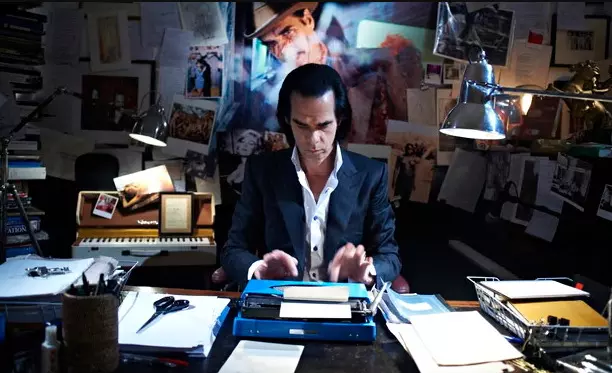
It's pretty difficult to trust, but the international is noisy right now. Everyone is scrolling like their thumbs are being timed. Screens everywhere, pockets, bedsides, lecture rooms, toilets, you call it. Notifications are humming so regularly that people from time to time take a look at their phones even if nothing vibrates. And in the center of this virtual twister, something unusual and delightful is happening: human beings are picking up books again. Real ones. Heavy ones. Books that smell like a college library on a rainy afternoon.
It feels weird because the entirety else in life is quicker, thinner, more compressed, and sliding into the cloud. But books? They stay stubbornly physical. And somehow, rather than fading out, they’re getting… louder. Pulling humans lower back in with this slow, grounding gravity that monitors can’t pretty mimic.
Why Books Still Win in a Fast World
It’s not just nostalgia. It’s not people pretending to be aesthetic readers for social media. Books do something that digital tools still struggle with: they slow everything down. You’re not tapping. You’re not swiping. You’re not getting ambushed by ads. You’re not fighting with your attention span against a hundred tiny algorithmic distractions.
A book asks for presence. And presence is rare these days.
But there’s something deeper too. Stories hit differently when you have to hold them. You flip through pages, get ink on your fingers, or dog-ear a corner even though half the reading world would scream at you for it. The experience has texture. Weight. Warmth.
People Are Writing More, Too
Here’s a curveball: it’s not just reading that’s rising. Writing is exploding too. People who never imagined themselves authors are suddenly opening laptops and scribbling stories at 2 AM. Teachers, nurses, programmers, travelers, people who’ve had weird lives, simple lives, chaotic lives everyone feels this little itch to put something down before it slips away.
And the ecosystem around writing? It’s getting wild. Between self-publishing tools, indie presses, and large book publishers USA handling thousands of manuscripts a year, the landscape is bigger, messier, and louder than ever. Honestly, the chaos is part of the charm. There’s room for polished authors, confused beginners, poetic souls, and even people who write a book once in their lifetime just because something inside them refused to stay quiet.
The Weirdly Need to Tell Stories
Stories are our memory bank. Our emotional filing system. Our unofficial therapy. A book you read at thirteen might still echo in your brain when you’re seventeen or twenty-five or seventy. A story might randomly pop into your head when you’re washing dishes or stuck in traffic, and suddenly you remember how it made you feel.
And writing them? That’s even stranger. Some people outline every chapter like they’re planning a military operation. Others write like they’re spilling their thoughts down a staircase messy, uneven, but somehow still landing exactly where they need to. Some writers delete paragraphs obsessively. Others just shrug and keep going.
There’s no right way. That’s the magic.
Digital Tools Are Changing Writing but Not Replacing It
Sure, there are AI tools everywhere. Brainstorming tools. Plot-structure tools. Character-map generators. Even things that suggest how a fictional city should be shaped based on climate and geography. Helpful? Absolutely. A starting point? Yes. But they don’t replace the heartbeat of the story.
Think of AI as a flashlight in a messy room. It helps you see what’s there.
But only you decide what matters.
Writers still stumble through drafts, argue with themselves, rewrite whole chapters at 4 AM, and occasionally wonder why they started writing in the first place. That chaos is part of the craft. The tools just make the chaos slightly more manageable.
Readers Want Real Voices, Not Perfect Ones
There’s a shift happening in the reading world. People are tired of overly polished, corporate-sounding, robotic narratives. Readers want texture quirks, flaws, imperfect pacing, weird dialogue, and sentences that feel alive rather than engineered by committee.
They want voices that ramble a little. Voices that sound like someone whispering their thoughts into the night. Books with fingerprints. Coffee stains. Scratched-out lines. Realness.
The polished perfection of past decades is fading. Raw, messy storytelling is taking the spotlight.
The Expanding Universe of Books
Audiobooks are growing. E-books are steady. Print books, against all predictions, are rising like a stubborn phoenix. And storytelling itself has leaked into every corner of the internet short videos, fanfiction communities, podcasts, visual novels, interactive stories, shared universes bigger than entire cities.
But the core hasn’t changed at all: One person tells a story. Another person listens. Connection happens.
It’s been this way since campfires and cave walls.
The Future of Books
Books aren’t going anywhere. In fact, the future feels bigger than the past. More diverse. More chaotic. More filled with voices that would’ve been ignored decades ago. Now, with digital tools and accessible publishing channels, anyone can write something meaningful.
Imagine what the next decade will look like:
- More hybrid formats (audio + text + visuals).
- More indie authors breaking through.
- More weird experimental storytelling styles.
- More readers returning to paper for peace and focus.
- More libraries expanding into community hubs.
- More educators pushing storytelling as a needed skill, not a luxury.
And honestly? More stories that sound like actual people, not literary machines.
Closing Note
If the world keeps accelerating at this ridiculous pace, books might become the last quiet refuge we have. A place where thoughts breathe. A place that doesn’t beep or buzz or scream for attention. A place that still feels like home even if the real world gets louder every year.
Books survived the rise of the internet. Books survived streaming. Books survived mobile phones. Books will survive whatever comes next.
Because writers write stories the way lungs breathe instinctively. And as long as someone has something to say, there will always be someone willing to read it.
One messy draft at a time. One stray thought turned into a chapter. One story at a time that somehow makes the world feel a little less chaotic.





