

Budget 2026: What can make the new tax regime more attractive for taxpayers
Budget 2026 may fine-tune the new tax regime with selective deductions, higher standard deduction, senior citizen relief and better tax certainty to boost adoption.
Budget 2026 may fine-tune the new tax regime
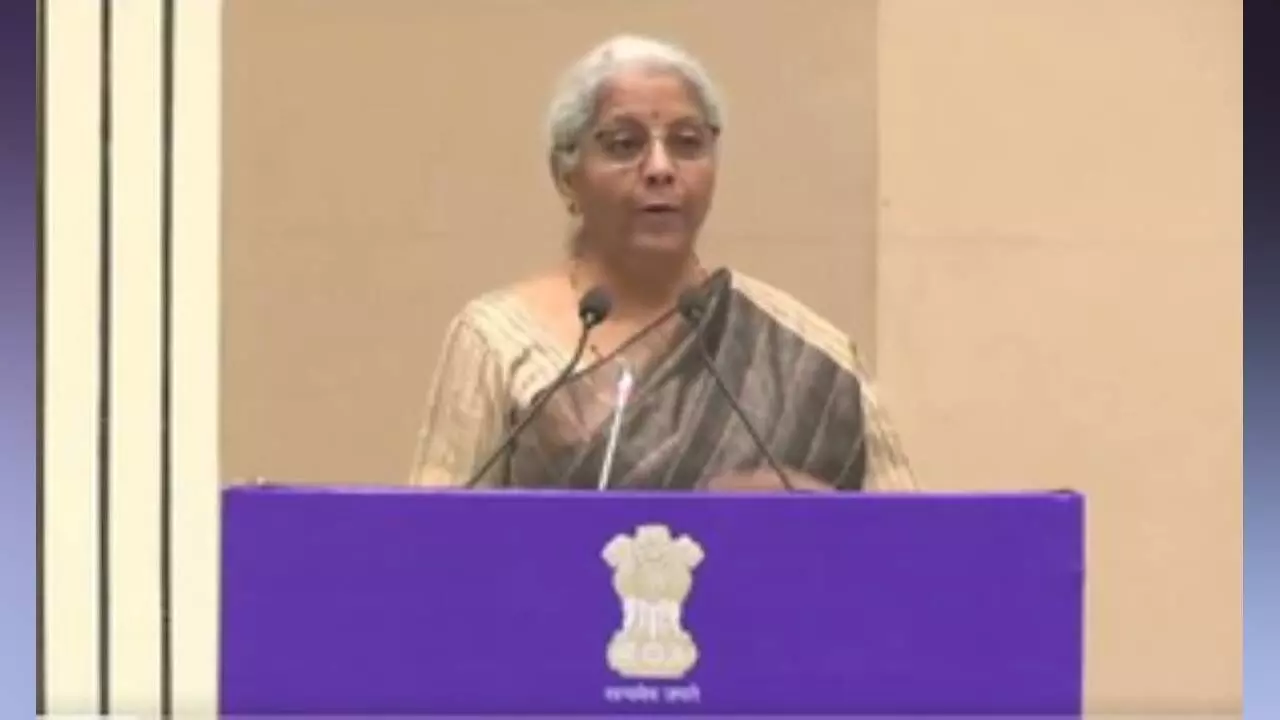
As Budget 2026 nears, tax experts are calling for targeted tweaks to the new tax regime, including selective deductions, a higher standard deduction, senior citizen relief and greater tax certainty to boost adoption without sacrificing simplicity.
The new tax regime has evolved from a confusing alternative into the default option for many taxpayers. After Budget 2025 widened slabs and enhanced rebates, the simplified structure began offering tangible benefits alongside ease of filing. With more taxpayers expected to opt for it this year, attention has shifted to how Budget 2026 can further improve its appeal.
Despite the government’s push for a cleaner, deduction-free framework, the old tax regime continues to hold relevance, particularly for senior citizens and those with significant healthcare, insurance and loan-related expenses. Experts believe fine-tuning rather than overhauling the new regime could help strike a better balance.
One major gap is the absence of commonly used deductions. Currently, only the standard deduction and employer contributions to NPS are allowed, while benefits such as house rent allowance (HRA) and medical insurance deductions remain excluded. Experts argue that allowing a limited set of essential deductions could improve practicality without adding complexity.
“Reintroducing capped deductions like HRA and medical insurance can significantly improve the appeal of the new tax regime while preserving its simplicity,” said Shweta Rajani, Mutual Fund Head at Anand Rathi Wealth. Rising healthcare costs, in particular, make the absence of mediclaim deductions increasingly difficult to justify, experts note.
With most exemptions removed, the standard deduction has become the primary relief tool. Tax specialists suggest increasing it to account for inflation and higher living costs. Nitin Baijal, Executive Director at Deloitte India, said a higher standard deduction would offer broad-based relief without increasing compliance burdens. Others recommend raising it to ₹1–1.25 lakh to improve take-home income for salaried taxpayers.
Loan-linked benefits are another area of focus. Education and home loan deductions are currently available only under the old regime, despite being easy to administer through banks and formal channels. Experts say extending these benefits could enhance the new regime’s practicality while maintaining transparency.
Senior citizens remain one of the least-served groups under the new tax structure. Unlike the old regime, the new system offers no higher exemption limits or healthcare-related deductions. Experts suggest revisiting slab thresholds or providing targeted relief to address rising medical and insurance expenses for retirees.
Beyond deductions, experts stress the need to move from ease of filing to ease of financial planning. Targeted, capped incentives for retirement savings, health insurance and first-time homebuyers could encourage responsible financial behaviour without undermining simplicity.
Some believe Budget 2026 should also prioritise tax certainty over rate changes. With major reforms already in place, attention could shift to predictability, dispute resolution and customs reforms. Improving mechanisms such as advance pricing agreements and expanding faceless processes could further strengthen confidence in India’s tax framework.
As expectations rise, taxpayers are looking for a new tax regime that is not only simpler, but also fair, predictable and aligned with real-world financial needs.





