

How State Lotteries Work in India: Results, Rules, and Claims
Understanding result publication, prize claims, and why verification rules are uncompromising
How state control and strict procedures shape lottery operations across India
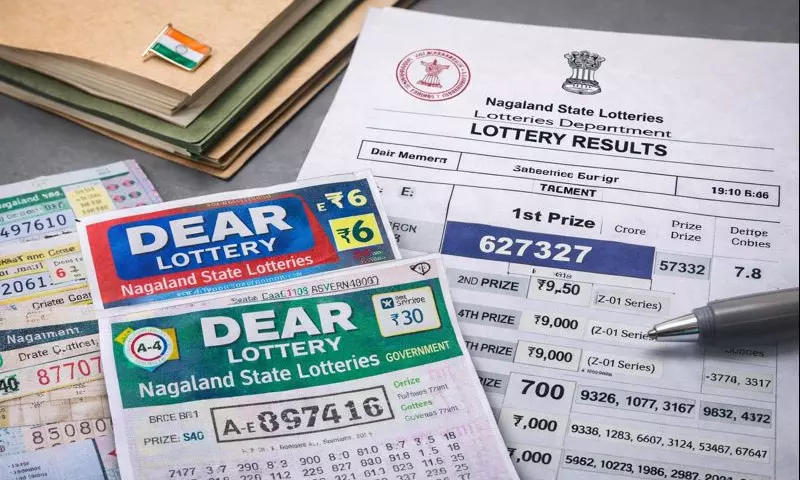
In terms of lotteries in India, the scene is very much controlled by the states, and there isn't a national body in charge. Each state gets to decide whether lotteries are allowed, how they run, and how prize payments are made, and that's why there's no fixed set of rules that applies all over the country.
Some states manage their lotteries directly through government departments, others don't allow them at all, and even among those that do, the way things are done can be different. Ticket rules, claim deadlines, and payment procedures depend on the state that issued the ticket.
How Lottery Results Reach People
Lottery results don’t appear online by accident. After a draw is completed, the outcome is recorded and verified by the issuing authority. That record is the starting point. Everything else comes later.
Many players first see numbers through pages like lottery sambad, which gather results from different states and show them in one place. These pages are useful for checking, but they are not where the result originates. The official source is always the state authority that conducted the draw.
Before a result becomes visible to the public, it usually passes through a clear process:
The draw takes place at the scheduled time.
The outcome is written down in official form.
The document is reviewed and approved.
The result is released through authorized channels.
Because of this process, different sites may update at slightly different times. That delay does not change the result itself, only when people see it.
Why Lottery Names Exist at All
Every draw needs a way to be identified. That’s the practical reason names exist. Without them, it would be impossible to manage multiple draws happening every day.
In everyday use, Dear Lottery appears as the name attached to a group of state-approved draws that follow a fixed schedule. People recognize the name, but the real function is administrative. It helps separate one draw from another and keeps records organized.
Behind each name, several technical details are grouped together:
The time the draw takes place.
The prize structure applied to that draw.
The ticket series allocated to it.
Internal tracking for claims and audits.
This system reduces confusion when many drawings are running at the same time.
Who Actually Controls the Lotteries
In states where lotteries are allowed, the government controls the process from beginning to end. There is no private ownership of the lottery system itself. State authorities approve schemes, supervise ticket printing, and oversee how draws are conducted.
A clear example is the Nagaland state lottery, where result publication, prize verification, and claims are handled through a dedicated government directorate. Other states that permit lotteries follow the same basic approach, even if the paperwork and timelines differ slightly.
State control usually includes:
Approving draw schedules and formats;
Licensing distributors and retailers;
Supervising draw locations;
Setting and enforcing claim deadlines.
This keeps responsibility clearly defined and limits disputes about authority.
Why Result Format Is So Strict
Lottery results in India follow a rigid format, and that rigidity is intentional. Every ticket contains two critical parts: a series and a number. Both must match exactly. There are no partial wins and no flexible interpretations.
When people check a Dear Lottery result, errors usually happen because one of these parts is ignored. A correct number with the wrong series is still not a winning ticket.
The fixed format exists to support several practical needs:
Faster verification during claims;
Fewer disagreements about outcomes;
Consistent record matching;
Clear decisions without interpretation.
It may feel unforgiving, but it prevents arguments later.
How Prize Levels Are Set
Prize amounts are not adjusted after ticket sales begin. Everything is defined in advance as part of the approved scheme. Instead of one winner taking everything, prizes are spread across multiple levels.
The top prize is fixed and publicly known. That highest level is often referred to as the jackpot result, meaning the maximum payout possible for that draw.
Prize planning usually balances a few practical concerns:
How much the issuing state can pay;
How many winning tickets are expected;
How complex claims will be to process;
How predictable payouts need to remain.
This approach favors stability over spectacle.
What Happens After a Ticket Wins
Finding a winning ticket is only the first step. The next phase is verification. The ticket must be original, readable, and submitted within the allowed time. If any requirement is missed, the claim stops immediately.
Smaller prizes are often paid directly by authorized sellers. Larger prizes require submission to the state lottery office, where documents are checked again, and records are reviewed. This process takes time, but it reduces errors.
The system prioritizes accuracy. Speed comes second.
Why Claims Fail More Often Than People Expect
Most rejected claims fail for practical reasons. The ticket may be damaged, folded too many times, or partly unreadable. Sometimes the claim is submitted late. In other cases, a required document is missing or filled out incorrectly. These situations happen far more often than problems with the draw itself.
What many people do not expect is how strictly these rules are followed. There is no separate review based on circumstances. If the ticket does not meet the requirements, the process stops. The decision is made based on the condition of the ticket and the paperwork, not on explanations or intent.
This is why claims fail even when the numbers seem correct. The system relies on clear conditions and written rules. As long as those conditions are not met, the result does not change.
Closing Thoughts
State lotteries in India are built around procedure, documentation, and state responsibility. They are not informal games and not national events. Every ticket, result, and claim exists within the framework of the issuing state.
Understanding this doesn’t make winning more likely. It simply makes the process clearer. It explains why results appear the way they do, why verification is strict, and why some claims succeed while others fail without appeal.
That clarity is the real value of understanding how the system works.





