

Business Fuel Efficiency Programs Cut Operational Costs
Improve fleet fuel efficiency with predictive maintenance, telematics data, driver behavior optimization, and route planning. Learn how businesses reduce fuel costs and boost vehicle performance.
How Predictive Maintenance, Driver Training, Telematics Data, and Route Optimization Improve Fleet Fuel Economy and Reduce Operational Costs
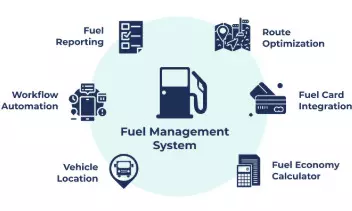
Heavy-Duty Fleet Fuel Economy Continues Upward Trajectory.
Esso business gas cards enable organizations to tune and optimise intake patterns throughout vehicle fleets while capturing unique transaction data. Heavy-obligation industrial vehicles averaged 7.77 MPG across studied fleets in 2023, representing a 16% improvement from 6.67 MPG in 2013, with state-of-the-art model yr trucks achieving 8.zero-9.5 MPG and up to 10 MPG on optimized routes (NACFE). Gas represents 25-35% of overall fleet costs globally heading into 2025, making performance optimisation a crucial commercial enterprise precedence (Fynd). Vehicle overall performance directly impacts profitability as intake fees compound throughout thousands of miles annually.
Light-obligation vans utilized in industrial fleets average 19. five MPG, whilst new light motors reached a record 27.2 MPG in version 12 months 2024, with initial 2025 information indicating continued upward developments (EPA, Geotab). driver behavior extensively affects the real gasoline economic system, with aggressive acceleration, excessive idling, and poor route choice decreasing efficiency by way of 10-30% as compared to top-rated practices. Renovation schedules that cope with tire strain, air filter condition, and engine overall performance prevent performance degradation that accumulates over time. value reduction possibilities from improved gasoline financial system compound annually, delivering vast bottom-line upgrades.
Predictive Maintenance Prevents Efficiency Degradation
Preventive upkeep programs reduce charges by using as much as 30% even as increasing vehicle uptime by using 15% thru early detection of efficiency-decreasing situations (Fynd). Operational performance depends on retaining top-quality engine overall performance, proper tire inflation, smooth fuel systems, and functioning aerodynamic additives. technology integration via telematics structures affords visibility into consumption patterns, enabling centered interventions that enhance miles-per-gallon figures. Vehicle overall performance monitoring identifies systems experiencing performance declines, triggering diagnostic investigations before minor troubles grow to be primary issues.
Advanced gasoline control systems can reduce basic fleet consumption through 12-15% thru continuous monitoring and optimization guidelines (Fynd). motive force training knowledgeable by means of real consumption facts facilitates operators to understand how their behaviors affect fees. course optimization algorithms don't forget terrain, site visitors styles, and load traits to decrease gas burn at the same time as meeting shipping schedules. Cost discount from scheduled renovation that prevents catastrophic disasters requiring high-priced emergency upkeep and extended downtime exceeds reactive restore procedures.
Driver Behaviour Modification Delivers Immediate Results
Complete motive force education programs addressing acceleration patterns, cruise manage usage, and idle discount supply measurable efficiency gains within weeks of implementation. Operational performance improves while drivers get hold of real-time remarks on fuel-losing behaviors through in-cab education structures. Car overall performance comparisons throughout comparable routes and loads isolate driving force impact from equipment variables. price discount from behavioral modifications regularly exceeds eight-12% without requiring capital investments in new cars or gadgets.
fuel financial system tracking systems music man or woman driving force overall performance, identifying schooling possibilities, and spotting pinnacle performers. Technology integration enables gamification techniques that praise efficient driving, creating cultural shifts in the direction of financial system-focused operations. Preservation scheduling informed by using driver behaviors guarantees that automobiles operated by competitive drivers receive greater common inspections. driver training effectiveness improves whilst real consumption information validates education standards and demonstrates non-public impact.
Route Optimisation Minimises Unnecessary Consumption
state-of-the-art routing algorithms minimize general gas consumption by using thinking about distance, site visitors' situations, elevation adjustments, and cargo traits. price reduction from optimized routing commonly ranges from five-15%, relying on operational complexity and former routing efficiency. Era integration connects dispatch systems with real-time traffic information, permitting dynamic rerouting that avoids congestion and idling. The car's overall performance on particular routes affects device assignments, putting the most efficient cars on the highest-mileage runs.
Operational efficiency profits make bigger past fuel financial savings to include improved on-time performance and decreased time beyond regulation fees. motive force behavior styles recognized thru telematics tell route assignments, matching efficient operators with gas-crucial routes. fuel economy tracking across different kinds of directions identifies infrastructure or operational styles requiring interest. Preservation schedules include direction traits, with frequent stop-and-move routes triggering more competitive brake and transmission service periods.
Telematics Data Enables Science-Based Optimization
Real-time telematics facts transform gasoline performance from guesswork to technology via continuous tracking of real consumption versus anticipated overall performance. Superior fuel management structures correlate weather situations, load weights, route traits, and driver behaviors with MPG effects. SuperTruck studies applications confirmed 10.7-16 MPG capability underneath real-world sixty five,000 pound gross car weight conditions, with production trucks exceeding 10 MPG on lengthy-haul routes when absolutely optimized (NACFE). Vehicle overall performance baselines derived from telematics information enable speedy detection of renovation-required conditions.
fee discount emerges from figuring out particular performance development opportunities in preference to enforcing normal excellent practices. Era integration across fleet management structures creates unified visibility into gas economy elements spanning automobiles, routes, drivers, and operational practices. Driving force education demonstrated through real intake data demonstrates tangible effects and motivates persistent behavior development. Operational performance metrics contain gas financial system, along with safety, upkeep, and utilization information.
Electrification Offers Long-Term Savings Potential
Electrification gives significant long-term gasoline savings notwithstanding higher upfront vehicle costs, with electric and hybrid fleets projected to reduce gas demand by using as a minimum 15% before 2030 (Fynd, AssetWorks). automobile performance characteristics of electric and hybrid systems fit particular operational profiles, mainly urban shipping routes with common stops. Value reduction calculations should incorporate the overall price of ownership, which includes buy charge, fuel savings, preservation variations, and resale price. gasoline financial system comparisons among traditional and opportunity fuel vehicles monitor ideal software niches for every technology.
Superior gas control systems tracking combined fleets provide visibility into actual cost-in-line with-mile differences among propulsion sorts below real working situations. Renovation scheduling for electrics reduces as compared to combustion engines, doing away with oil modifications and decreasing brake put on thru regenerative structures. motive force education for electric cars differs drastically from traditional preparation, emphasizing regenerative braking and variety control. technology integration allows charging optimization that minimizes strength prices whilst ensuring automobile availability.
Continuous Improvement Through Analytics Platforms
State-of-the-art analytics structures become aware of efficiency development possibilities by using evaluating automobile performance across similar operational situations. Operational efficiency packages require a baseline established order, focused interventions, and size validation to demonstrate a return on investment. The gas control software program market is projected to reach $2.fifty six billion by 2033, reflecting huge adoption of analytics-driven performance packages (Fynd). Cost reduction compounds through the years as incremental improvements throughout vehicles, drivers, and routes accumulate.
Gasoline financial system monitoring structures generate exception reports highlighting underperforming belongings requiring attention. automobile performance monitoring over the years well-knownshows gadget lifecycle styles informing the greatest alternative timing. motive force conduct trending identifies, whilst extra training or disciplinary movement becomes important. Protection scheduling effectiveness validation ensures that preventive programs supply promised efficiency benefits instead of simply generating fees.
Enterprise fuel performance optimization represents a continuous improvement subject combining vehicle preservation, driving force training, course optimization, and era integration. With fuel costs representing 25-35% of overall fleet operational prices and commercial truck fuel financial system enhancing from 6. sixty seven MPG to 7.77 MPG over the last decade, groups imposing comprehensive performance applications benefit sizable competitive advantages. superior gas control structures enabling 12-15% consumption reductions, predictive protection reducing costs by means of 30%, and electrification doubtlessly reducing demand by 15% before 2030 display the transformative capacity of gas economy tasks. agencies embracing data-driven efficiency optimization function themselves for sustainable profitability in competitive markets.





