

A decisive push for India’s semiconductor mission 2.0: Report
India launches Semiconductor Mission 2.0 with ₹1,000 crore to boost chip manufacturing, design, and talent, strengthening supply chains and tech sovereignty.
India’s semiconductor mission 2.0: Report
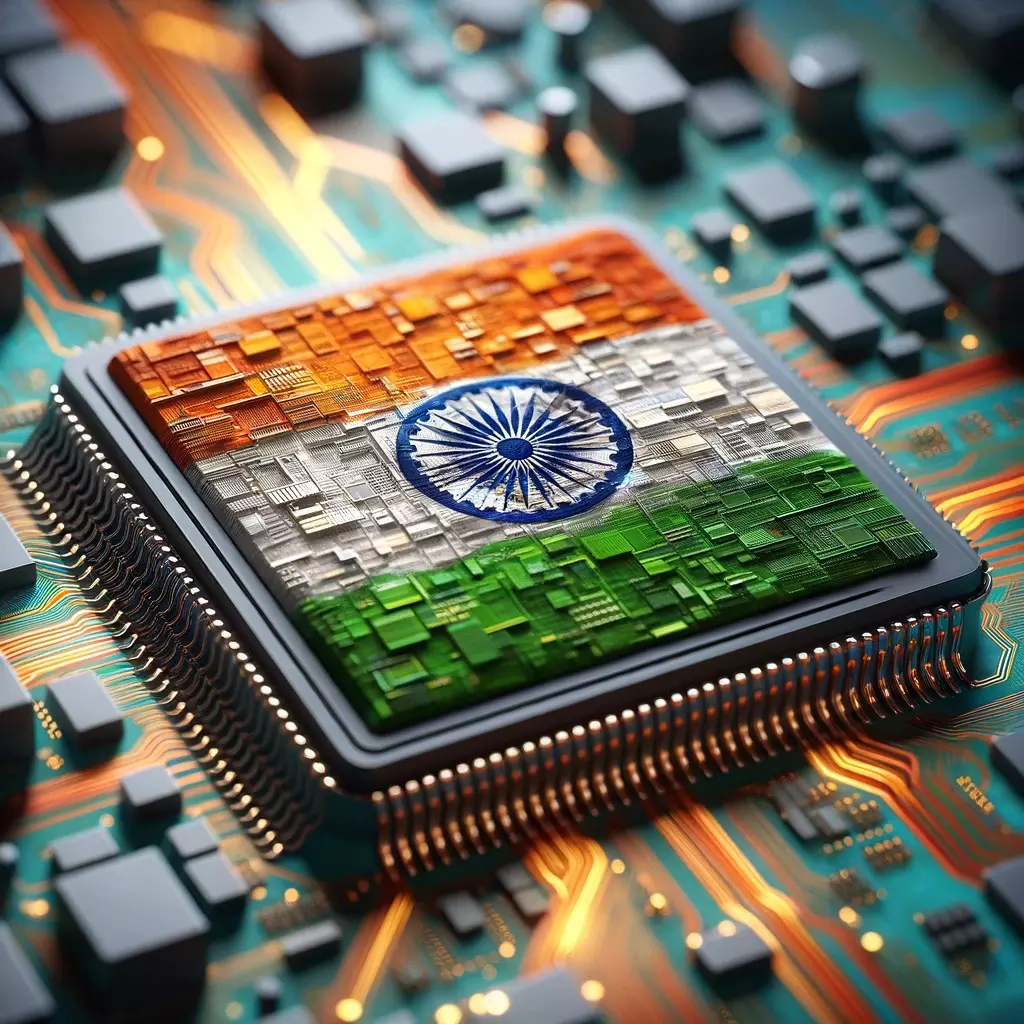
India has launched Semiconductor Mission 2.0 with ₹1,000 crore allocation, focusing on chip equipment, materials, indigenous IP, and supply chain resilience. The initiative strengthens design, manufacturing, and talent ecosystems, advancing India’s goal of becoming a global semiconductor powerhouse.
India’s Union Budget 2026–27 has placed semiconductors at the heart of the country’s technology and industrial strategy with the launch of India Semiconductor Mission (ISM) 2.0. The second phase signals a determined shift from ecosystem creation to capability deepening, as chips increasingly power critical digital, industrial, defence, and AI-driven systems worldwide.
With a provision of ₹1,000 crore for FY 2026–27, ISM 2.0 aims to expand India’s role beyond assembly and design support into semiconductor equipment manufacturing, materials production, and development of full-stack Indian semiconductor intellectual property (IP). A strong focus on industry-led R&D and training centres will help build a future-ready workforce while strengthening domestic and global supply chains.
Building on ISM 1.0 Momentum
The groundwork for this expansion was laid under ISM 1.0, approved in December 2021 with a ₹76,000 crore incentive framework. The programme offered up to 50% fiscal support for silicon fabs, compound semiconductor facilities, ATMP/OSAT units, and chip design initiatives. By December 2025, 10 projects worth ₹1.60 lakh crore had been approved across six states, spanning fabrication, advanced packaging, and testing infrastructure.
India’s semiconductor market, estimated at $38 billion in 2023, has grown to roughly $45–50 billion in 2024–25 and is projected to reach $100–110 billion by 2030. By 2029, India is expected to meet 70–75% of domestic chip requirements, with a long-term roadmap targeting advanced 3 nm and 2 nm nodes by 2035.
Sector Outlook and Global Positioning
India’s semiconductor growth aligns with Make in India and Make for the World strategies. Platforms such as SEMICON India have reinforced global investor confidence, while domestic manufacturing expansion is addressing rising demand across consumer electronics, automotive, telecom, aerospace, and industrial sectors.
The recalibrated semiconductor programme for 2026–27 carries a ₹8,000 crore outlay under the modified development scheme. Key targets include ₹4,000 crore investment in supported fabs, ₹11,000 crore investment across nine ATMP/OSAT units, and support for 30 design firms to develop semiconductor IP cores. Employment generation and design manpower expansion remain central objectives.
Why Semiconductors Are Strategic
Recent global disruptions exposed vulnerabilities in chip supply chains. With Taiwan producing over 60% of global chips and nearly 90% of advanced ones, geopolitical risks remain high. Major economies—including the US, EU, Japan, and South Korea—have launched domestic chip initiatives. ISM positions India as a reliable partner in this global diversification.
Strengthening Design and Indigenous Technologies
The Design Linked Incentive (DLI) Scheme has supported 24 semiconductor startups, enabled ₹430 crore in venture funding, and facilitated extensive use of national EDA platforms. Academic institutions have completed over 120 chip designs, while startups have achieved advanced-node tape-outs.
India’s push for indigenous processors is also accelerating. The DHRUV64 64-bit microprocessor, developed by C-DAC, strengthens sovereign processor capabilities alongside SHAKTI, AJIT, VIKRAM, and THEJAS processors under the RISC-V ecosystem. These efforts reduce import dependence and support secure digital infrastructure.
Talent Development as a Pillar
India is investing heavily in semiconductor education and training. Initiatives such as Chips to Start-up, AICTE-led academic programmes, the SMART Lab at NIELIT Calicut, and partnerships with global firms like Lam Research are building a large skilled workforce. Over 62,000 engineers have already received training, with long-term targets exceeding 100,000 professionals.
The Road Ahead
ISM 2.0 marks a decisive transition toward technological sovereignty, advanced manufacturing, and global integration. By strengthening design, fabrication, IP creation, and human capital, India is positioning itself as a critical node in the global semiconductor network—ensuring economic resilience while shaping the future of digital and industrial systems.





