

Is India Prepared to Refuse Overtime Work? “Right to Disconnect” Bill Presented in Lok Sabha
The Right to Disconnect Bill 2025 of India, which was presented in the Lok Sabha, is purposed to exempt the workers from after-hours work and give them the right to avoid emails and calls. Kerala is the first state to take the right beer. Discover the proposals of the Bill and its influence on the work-life balance.
image for illustrative purpose
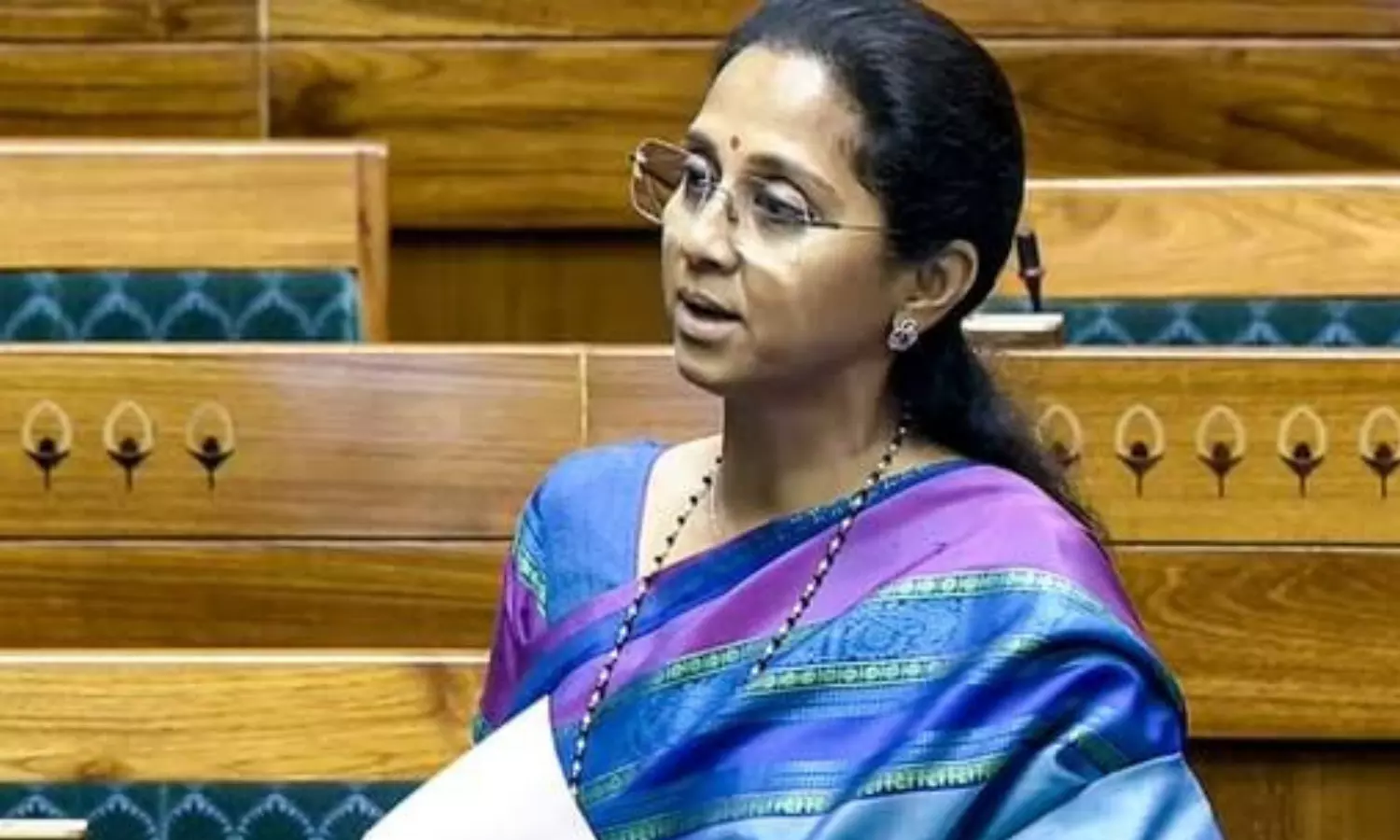
India is going to protect its workers' personal time with the Right to Disconnect Bill, which was introduced by NCP MP Supriya Sule in the Lok Sabha. This bill of a private member gives the employees a legal right to avoid work-related phone calls, emails, and texts during and on holidays, thus providing relief from the ever-increasing digital overwork. Sule had previously submitted a bill in 2019, sparking the discussion that is still going on regarding the matter of workplace burnout and work-life balance.
Overwork and Digital Burnout: The Growing Concern
The bill brings back the issue of overwork and mental health in India, particularly after Infosys founder Narayana Murthy’s 70-hour work week recommendation, which was also criticized for advocating unhealthy work practices. France, Portugal, and Australia are among the countries that have established such a policy globally, where the employee’s right to disconnect is preserved, thus creating a barrier between their personal time and the employer's demands through the "no work calls after certain hours" policy.
Support and Additional Measures
Congress MP Shashi Tharoor has also introduced the Occupational Safety and Health Working Conditions Code (Amendment) Bill, 2025, which will limit hours of work, secure the right to disconnect, and provide mental healthcare support in places where people work. The Bill alludes to a report by the World Economic Forum, which states that always being connected leads to a lack of sleep, stress, “telepressure”, and “info-obesity”, a condition where one is digitally overloaded and the brain is drained due to the excessive amount of information.
What the Right to Disconnect Bill Proposes
The Bill would provide employees with:
The illegal right that would allow them to completely ignore all work calls and emails after hours, without any possibility of being punished.
The Employees’ Welfare Authority would assist them in monitoring digital overuse, instructing companies to negotiate after-hours working conditions, and ensuring overtime is compensated at normal pay rates.
The right to avail themselves of the counseling services and digital detox centers.
In extreme cases, if a company is found to be in violation of any of these rules, it could incur a penalty not exceeding 1% of the total remuneration payout, which shows the seriousness of the commitment to employee wellbeing.
Kerala Sets the Trend
Kerala has gone one step further, becoming the first Indian state to pass its own Right to Disconnect Bill, 2025, allowing private sector employees to legally ignore office-related communication outside office hours.
India now has to choose between productivity and health, and the bill’s introduction represents a gradual move towards a less work-intensive culture. Whether the rest of the country follows Kerala’s example and implements a nationwide right to disconnect will be an important issue to keep an eye on in the near future.





