

'Natural' and 'Ethical' are getting divorce
image for illustrative purpose
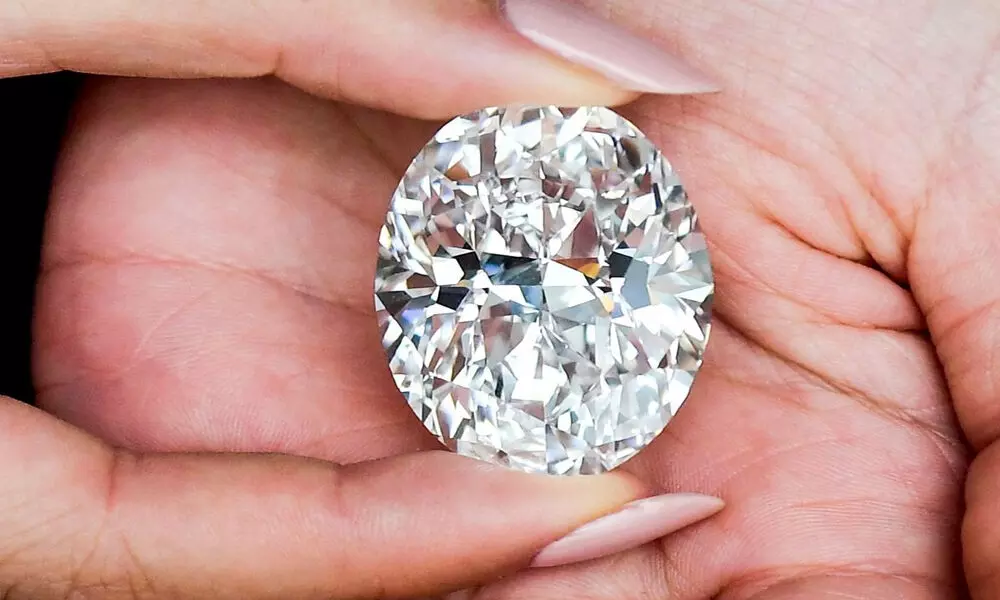
Vegan silk and leather, mine-free diamonds, bioengineered perfumes: Lab-grown products with ethical appeal could be the future of luxury. Exemplified by the announcement last week that giant jeweler Pandora A/S will no longer use mined diamonds in its products, the emergence of these high-tech luxury goods represents a significant cultural shift.
Since the first Earth Day a half-century ago, large industries have grown from the widespread conviction that "natural" foods, fibers, cosmetics and other products are better for people and the planet. It's an attitude that dates back to the 18th- and 19th-century Romantics, who rejected industrialism in favor of sublime landscapes and rural nostalgia: What's given is good; what's made is suspicious, especially if it's of recent origin.
That assumption is beginning to reverse, as entrepreneurs and consumers turn to cutting-edge artifice in search of more environmentally friendly, less ethically fraught materials. Substances grown in fermentation vats or built up atom by atom are replacing those wrenched from the earth, stripped from plants and animals or implicated in human suffering.
With their ethical appeal, these high-tech materials raise an interesting possibility. Maybe some ethical standards are themselves a form of luxury, at least until innovations make them less expensive. Democratizing diamonds, then, has the potential to produce not just cheaper bling but new mores about mining and energy use. Growing meat or silk or leather in a vat could make the "natural" alternatives someday seem repugnant.
Some new materials, such as Impossible Meat's popular vegan burgers or the leather substitutes from companies including Modern Meadow, Bolt Threads and Ecovative Designs, are alternatives to traditional products. (Bolt also makes a bioengineered vegan silk, but not yet in commercial quantities.) Others are the real thing, produced in a new way.
Take those lab-grown diamonds. They are chemically, structurally and optically identical to the natural variety - a fact that irks mined-diamond purveyors no end. (They know what cultured pearls did to the price of those gemstones.) But even Anglo American Plc's De Beers, whose chief executive has called lab-grown stones "not real," has started its own division selling lab-made stones as lower-priced fashion jewelry.
Although synthetic industrial diamonds have been around since the 1950s, producing gem-quality diamonds is a recent phenomenon.





