

India’s China reset needs guardrails
India’s China reset needs guardrails
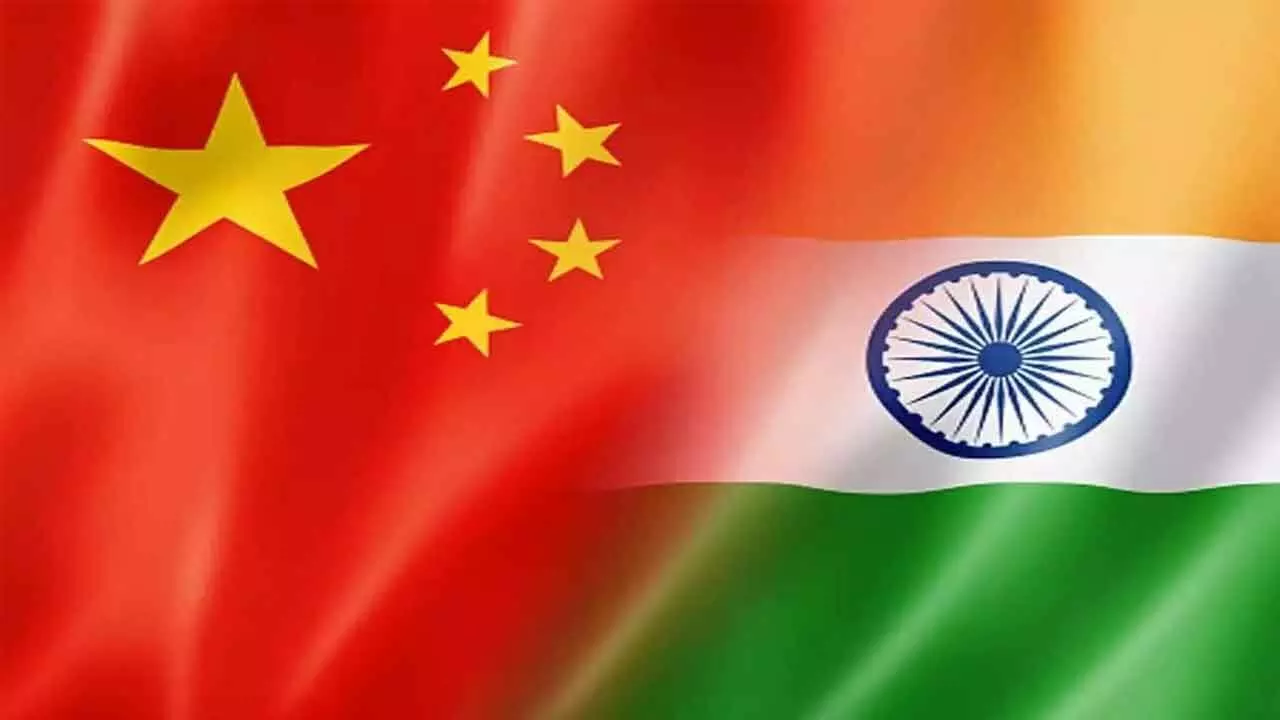
New Delhi may allow Chinese companies to bid for government contracts. The Finance Ministry reportedly considering scrapping the five-year-old restrictions on Chinese firms bidding for government contracts after the deadly 2020 border clash between the Indian and Chinese troops. However, the final decision will reset the Prime Minister’s office. If implemented, this would be a prudent and timely move.
This is not to suggest that the earlier restrictions imposed were misguided or impractical. The mood at that time was one of anger, primarily due to Beijing's nefarious designs, which led to the border clash. The communist rulers tried to sneak in their troops surreptitiously into our territory, to be checked by our brave soldiers, 20 of whom were killed and many more injured, some of them critically.
But the bloody nose our braves gave the PLA troopers also served as a lesson to the Chinese leadership. We have delivered a message to China: any military adventurism would not come without a cost. The measures were as much about deterrence as they were about signaling India’s resolve.
Yet, these restrictions also came at an economic price. The curbs hit not only Chinese firms but also stalled many Indian infrastructure projects. The total value of affected government contracts is estimated at between $700 billion and $750 billion. A high-level committee headed by former Cabinet Secretary Rajiv Gauba, now a member of the PM-headed Niti Aayog, has since recommended easing the restrictions.
Allowing Chinese companies to participate again under strict conditions could increase competition and potentially lower costs. The capital markets recognized this, with the shares of public sector equipment maker Bharat Heavy Electricals Limited as well as the private sector infrastructure giant Larsen & Toubro falling after the news broke, indicating the easing of restrictions.
The move should also be seen against the backdrop of a gradual thaw in Sino-Indian relations. Prime Minister Narendra Modi’s visit to China last year, the friction in Indo-US ties, and the growing gulf between Beijing and Washington have all influenced this recalibration. Evidently, China, too, appears eager to stablise relations or at least be less hostile towards India. After all, China would like to revive the fortunes of its own corporations.
However, our policy makers must exercise caution and vigilance. It is a well-known fact that Chinese companies and nationals often carry out espionage activities in other countries. Also, the government as well as India Inc should ensure that our systems, especially the critical ones, are insulated from Trojans, malware, cyber-attacks, etc.
Any participation by Chinese firms must be subject to stringent security vetting, watertight contracts, and continuous monitoring. India’s cyber security architecture, regulatory oversight, and technical standards must be significantly strengthened to prevent misuse of access or data.
Therefore, revisiting the restrictions on Chinese companies bidding for government contracts reflects a mature and pragmatic reassessment of India’s strategic and economic interests. The decisions taken in 2020 were justified by the circumstances of the time and conveyed a powerful message.
Today, as the strategic and economic landscape evolves, a calibrated easing, anchored in vigilance, could serve India well. Engagement, when pursued on India’s terms and with clear-eyed realism, need not come at the cost of sovereignty or national security.





