

How to build a long-term cryptocurrency portfolio in India: Tips, risks, and strategies
Learn how to build a long-term crypto portfolio in India, including strategies, key risks, and top cryptocurrencies like Bitcoin, Ethereum, Solana, and Cardano.
Long-term cryptocurrency portfolio in India
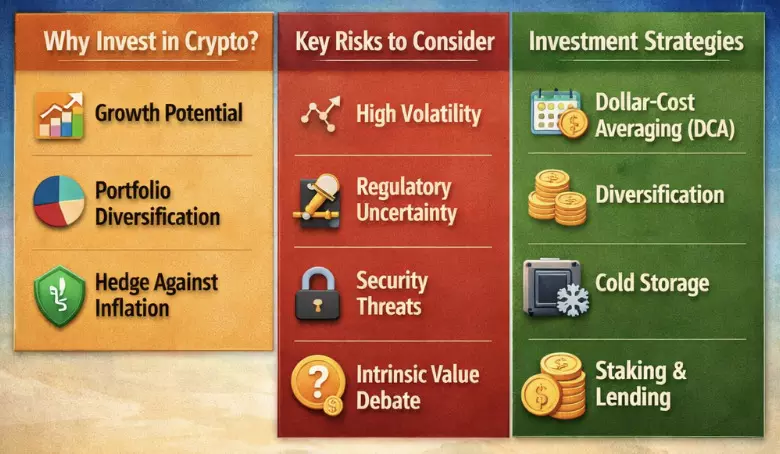
This guide explains how Indian investors can build a long-term crypto portfolio, highlighting potential benefits, key risks, suitable cryptocurrencies like Bitcoin, Ethereum, and Solana, and strategies such as dollar-cost averaging, diversification, staking, and secure storage for lasting success.
Cryptocurrency investing in India has gained significant attention over the past decade, attracting both seasoned investors and newcomers seeking high-risk, high-reward opportunities. Building a long-term crypto portfolio requires careful planning, discipline, and an understanding of the unique risks and benefits associated with digital assets.
Why Consider Crypto for Long-Term Investment?
Investors often consider crypto for its potential long-term growth, portfolio diversification, and exposure to cutting-edge blockchain technologies such as decentralized finance (DeFi) and non-fungible tokens (NFTs). Additionally, many see crypto as a possible hedge against inflation, although opinions on this remain mixed.
Key Risks to Consider
High Volatility:
Cryptocurrency prices can fluctuate dramatically in short periods. While this creates opportunities, it also increases the potential for significant losses, especially for inexperienced investors.
Regulatory Uncertainty:
Crypto regulations in India and globally are still evolving. Although taxation rules exist in India, broader legal clarity is limited, making regulatory risk an important consideration.
Security Risks:
Hot wallets connected to the internet are vulnerable to hacks. Using secure wallets and following best practices for storage is essential for protecting your assets.
Intrinsic Value Debate:
Unlike stocks or gold, crypto derives value primarily from network adoption and demand rather than intrinsic fundamentals. Investors must understand this distinction when building a long-term strategy.
Cryptocurrencies Suitable for a Long-Term Portfolio
Bitcoin (BTC): The oldest and most recognized cryptocurrency, often called “digital gold.” Historically resilient over time despite volatility.
Ethereum (ETH): A leading blockchain platform for smart contracts and decentralized applications, with ongoing scalability and energy efficiency improvements.
Solana (SOL): Known for fast, low-cost transactions, widely used in DeFi and NFT ecosystems.
Cardano (ADA): Focuses on peer-reviewed research, security, and sustainability, offering a methodical growth approach.
Strategies for Long-Term Crypto Investing
Dollar-Cost Averaging (DCA): Invest a fixed amount at regular intervals to reduce the impact of price volatility.
Diversification: Spread investments across multiple cryptocurrencies and stablecoins to manage risk.
Cold Storage: Use hardware wallets for long-term holdings; keep hot wallets only for active trading.
Periodic Rebalancing: Adjust allocations as prices change to avoid overexposure to a single asset.
HODL Strategy: Buy and hold crypto long-term to ride out market fluctuations.
Index-Style Investing: Build diversified baskets manually, as true crypto index funds are limited in India.
Value Investing: Focus on projects with strong fundamentals that appear undervalued.
Staking and Lending: Earn passive income through staking while being mindful of lock-in periods and platform risks.
In India, building a long-term crypto portfolio requires realistic expectations and disciplined investing. Crypto should complement traditional investments rather than replace them, with careful attention to volatility, security, and evolving regulations to ensure sustained growth.





