

Premature greying explained: Why It happens early and whether It can be reversed
Grey hair in your 20s? Experts explain the real causes of premature greying, health warning signs, and whether science can reverse or slow it down.
Premature greying explained: Why It happens early and whether It can be reversed
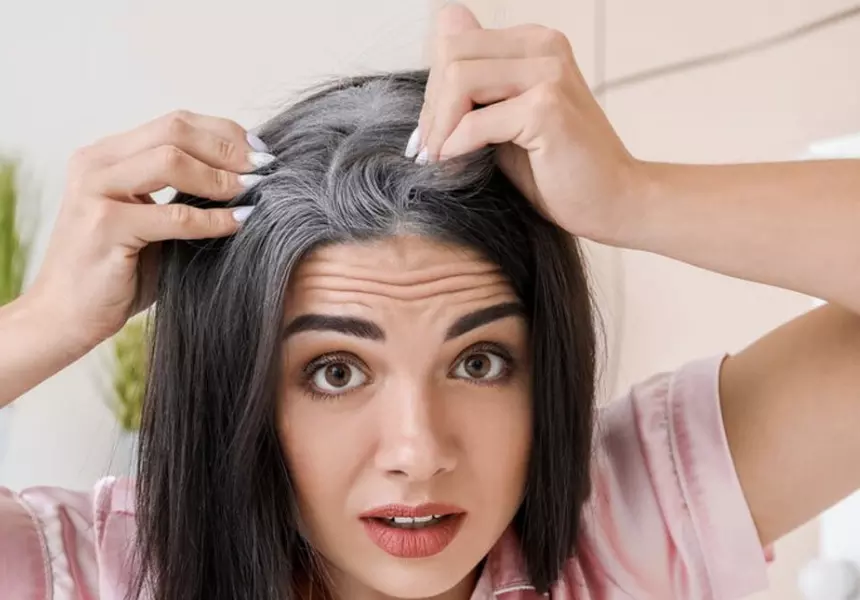
Spotting grey hair in your 20s can feel alarming, but experts say premature greying is increasingly common and rarely random. From genetics and stress to nutrient deficiencies and inflammation, doctors explain what drives early pigment loss—and whether science can truly reverse it or only slow it down.
Not long ago, greying hair was seen as a marker of age and experience. Today, many people are spotting their first silver strands in their early 20s—and wondering what went wrong. According to medical experts, premature greying is not a sudden event but the visible result of long-term biological stress inside the hair follicle.
Hair turns grey when melanocytes—the cells responsible for producing pigment—stop functioning effectively. As Dr Sibel Huet, an internal medicine and aesthetic doctor, explains, this usually happens when melanocyte stem cells become dysfunctional or depleted. What counts as “premature” depends on ethnicity: before 20 in Caucasian populations, before 25 in East Asian populations, and before 30 in individuals of African descent.
Crucially, the greying process begins years before a strand changes colour. Dr Paris Acharya, a London-based maxillofacial surgeon and aesthetic doctor, notes that by the time hair turns grey, the follicle has often endured cumulative stress over a long period. Oxidative stress and DNA damage gradually exhaust pigment-producing cells, pushing them into senescence—an aged, inactive state.
Genetics remain the strongest predictor. Large epidemiological and twin studies show a clear link between family history and early greying. However, genetics are not the whole story. Doctors increasingly see patients with no genetic predisposition developing greys in their 20s and 30s. In these cases, environmental and internal factors often accelerate the process.
Chronic stress, smoking, obesity-related inflammation, and nutrient deficiencies—especially vitamin B12, iron, folate, copper, and zinc—have all been associated with premature greying. Pollution may also play a role by increasing low-grade oxidative stress in the scalp. The common theme is accumulation: not one stressful week, but years of physiological strain.
Premature greying can sometimes act as a health signal. When greying is sudden, rapid, or patchy, doctors may investigate underlying issues such as thyroid dysfunction, autoimmune conditions, or vitamin deficiencies. Patchy whitening, in particular, can be linked to conditions like vitiligo or alopecia areata, where pigment loss or hair thinning makes white strands more visible.
The big question remains: can it be reversed? Traditionally, the answer was no. Once pigment-producing cells were thought to be lost, greying was considered permanent. But emerging research suggests a more nuanced picture. In early or stress-related greying, melanocyte stem cells may be dormant rather than destroyed.
Regenerative approaches—such as exosome therapy, microneedling, and stem cell–based treatments—aim to reduce inflammation and restore communication within the follicle. According to Dr Acharya, some patients experience partial repigmentation or a slowing of greying when treatment is started early and combined with correcting nutritional or hormonal imbalances. Still, evidence remains limited, and most studies are small.
For now, experts agree that prevention and early intervention matter most. Addressing modifiable risk factors—quitting smoking, managing stress, improving nutrition, treating deficiencies, and maintaining overall scalp health—may help slow progression, even if full reversal isn’t guaranteed.
Ultimately, premature greying isn’t just a cosmetic concern. As Dr Acharya puts it, it’s often the body’s subtle signal that deeper support is needed. The advice from doctors is clear: don’t panic, get curious, and look beyond the mirror.





