

Planning That Adapts As You Grow
Adaptive planning focuses on flexibility over rigid goals, helping you adjust priorities, capacity, and finances as life and growth evolve.
Adaptive planning helps individuals align goals with changing priorities, capacity, and life stages instead of rigid long-term plans.
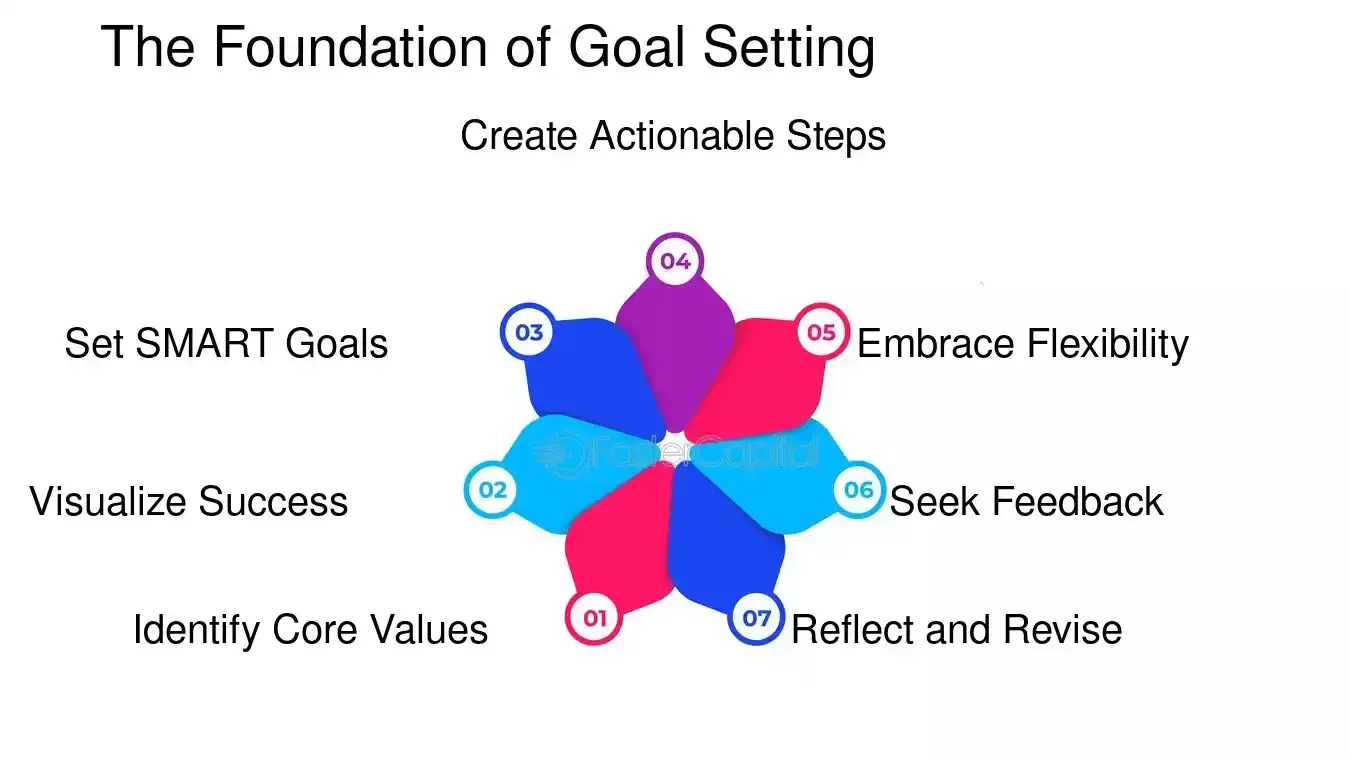
Most planning advice assumes you know who you will be in five or ten years. Pick a goal, map the steps, and follow the plan. That works until life changes, which it always does. Jobs shift, priorities evolve, energy levels change, and suddenly the plan that once felt perfect feels restrictive or outdated.
A more useful way to think about planning is to treat it as a living system rather than a fixed document. Planning that adapts as you grow does not try to predict the future perfectly. It creates enough structure to move forward while leaving room for change without guilt or panic.
This kind of flexibility is especially important during stressful seasons. Financial pressure, career transitions, or family changes can quickly make old plans unrealistic. In those moments, progress often comes from adjusting the plan instead of abandoning it. For some people, that adjustment may include addressing immediate stressors like debt relief so that mental space opens up for longer term growth.
Growth Changes the Planner, Not Just the Plan
One overlooked truth is that planning does not fail because circumstances change. It fails because the person doing the planning changes. You gain experience, insight, and clarity that you did not have before. Holding yourself to decisions made by a past version of you can quietly slow progress.
Planning that adapts recognizes that growth rewrites your priorities. What once felt urgent may become optional. What once felt intimidating may become manageable. Instead of asking whether you are sticking to the plan, ask whether the plan still reflects who you are now.
This shift removes shame from changing direction. Updating a plan becomes a sign of awareness, not inconsistency.
Plans Work Best When They Are Built in Layers
Rigid plans often collapse because everything depends on everything else. One disruption breaks the whole system. Adaptive planning works in layers.
At the base are non-negotiables. These might include basic financial stability, health routines, or core values. Above that are flexible goals that can change shape without breaking the foundation. On top are experiments, short term projects, and ideas you are testing rather than committing to long term.
When life changes, you adjust the top layers first. The foundation stays intact. This prevents the feeling that everything is falling apart when only one piece needs updating.
Short Feedback Loops Beat Long Predictions
Many plans fail because they rely on long predictions. Where you will be. What you will want. How conditions will look years from now. Adaptive planning replaces prediction with feedback.
Instead of setting a five-year plan and hoping it works, you set shorter cycles for review. Monthly or quarterly check ins allow you to see what is working and what is not. You adjust based on real information rather than assumptions.
This approach mirrors how effective organisations operate, using iteration instead of rigid forecasting. The same principle works at a personal level. According to research summarised by Harvard Business Review, flexible goal setting improves long term performance because it allows for learning and adjustment.
Planning for Capacity, Not Just Ambition
Another uncommon angle is planning around capacity instead of ambition. Ambition asks what you want to achieve. Capacity asks what you can realistically support right now.
Capacity includes time, energy, focus, and emotional bandwidth. These fluctuate over time. Planning that adapts takes these fluctuations seriously. It allows goals to expand during high-capacity periods and contract during demanding ones.
This prevents burnout and reduces the temptation to quit entirely when life gets heavy. Scaling back is framed as maintenance, not failure.
Financial Plans Should Evolve With Life Stages
Financial planning often gets treated as a one-time setup. Create a budget. Pick savings goals. Stick to it. In reality, financial needs shift with every major life change.
Early career priorities differ from mid-career ones. Family responsibilities alter risk tolerance. Health considerations change spending patterns. Adaptive planning builds in regular reassessment of financial priorities instead of assuming one structure fits forever.
Trusted consumer education sources like the Consumer Financial Protection Bureau offer guidance on adjusting financial plans as life circumstances change. Their tools and planning resources at help people align money decisions with evolving needs.
Leave Space for What You Do Not Know Yet
Adaptive planning intentionally leaves blank space. Not everything needs to be decided now. Over planning can limit growth by locking you into assumptions before you have enough information.
Leaving space allows curiosity to guide development. New interests, opportunities, and skills emerge over time. When your plan has room to absorb them, growth feels natural instead of disruptive.
This also reduces the fear of making the wrong choice. Fewer decisions become permanent, which makes starting easier.
Progress Comes From Alignment, Not Perfection
The goal of adaptive planning is not to create the perfect roadmap. It is to stay aligned with what matters as you grow. Alignment means your actions support your current priorities, values, and capacity.
When alignment is present, progress feels sustainable. When it is missing, even success can feel hollow. Regularly checking for alignment keeps plans relevant and motivating.
This mindset shifts planning from control to collaboration. You are not forcing life into a plan. You are working with life as it unfolds.
Rewriting the Plan Is Part of the Plan
Planning that adapts assumes revision. It expects change. It welcomes new information. Rewriting the plan is not a disruption. It is the mechanism that keeps growth moving forward.
As you grow, your plans should grow with you. When they do, planning becomes a source of stability instead of pressure. It becomes a tool that supports resilience, clarity, and steady progress through every transition life brings.





