

PM Modi urges Indian AI start-ups to build distinct, indigenous AI models
image for illustrative purpose
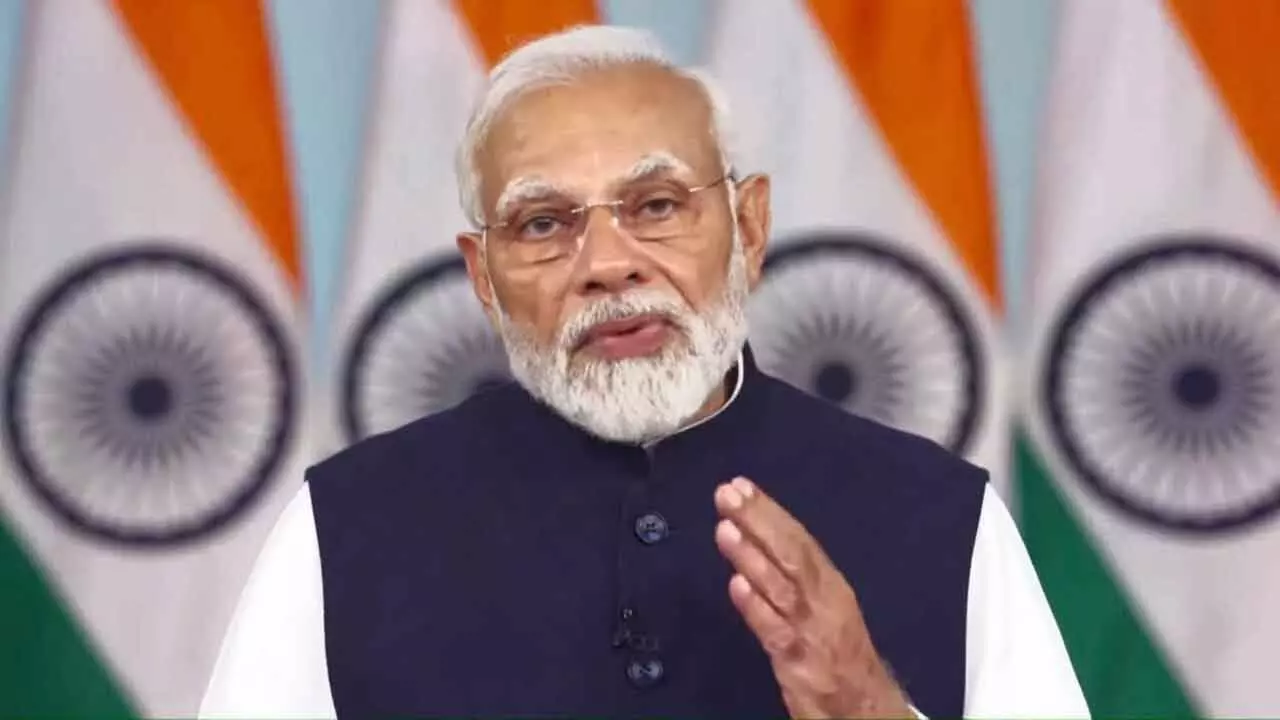
Prime Minister Narendra Modi on Wednesday chaired a roundtable meeting with Indian artificial intelligence start-ups, underscoring the need for India to develop AI models that are distinct, ethical, and rooted in local and indigenous content.
During the interaction, AI entrepreneurs praised the government’s strong commitment to building a robust artificial intelligence ecosystem in the country. They highlighted the rapid growth of the sector and its vast future potential, noting that the global centre of gravity for AI innovation and deployment is increasingly shifting towards India. According to the start-up leaders, India now offers a supportive and enabling environment for AI development, firmly positioning the country on the global AI map.
The Prime Minister highlighted the transformative role of artificial intelligence in society and said India is actively leveraging AI to drive large-scale change. He noted that the country will host the India AI Impact Summit next month, through which India aims to play a significant role in shaping the global technology landscape.
Emphasising the role of entrepreneurs, Modi said AI start-ups are the co-architects of India’s future and that the country possesses immense capacity for both innovation and large-scale implementation. He called on the ecosystem to present a unique AI model to the world that reflects the ethos of “Made in India, Made for the World.”
The Prime Minister also said that global trust in India is one of the nation’s greatest strengths. He stressed the importance of ensuring that Indian AI models are ethical, unbiased, transparent, and built on strong data privacy principles. He encouraged start-ups to aim for global leadership from India, adding that the country can champion affordable and inclusive AI solutions through frugal innovation.
Modi further suggested that Indian AI models should stand apart by promoting local and indigenous content, as well as regional languages, to ensure wider inclusion and global relevance.





