

Delhi Police to deploy AI-enabled smart glasses for Republic Day 2026 Security
Delhi Police will deploy AI-enabled smart glasses and facial recognition systems for Republic Day 2026, enhancing real-time surveillance, threat detection, and crowd security.
Delhi Police to deploy AI-enabled smart glasses for Republic Day 2026 Security
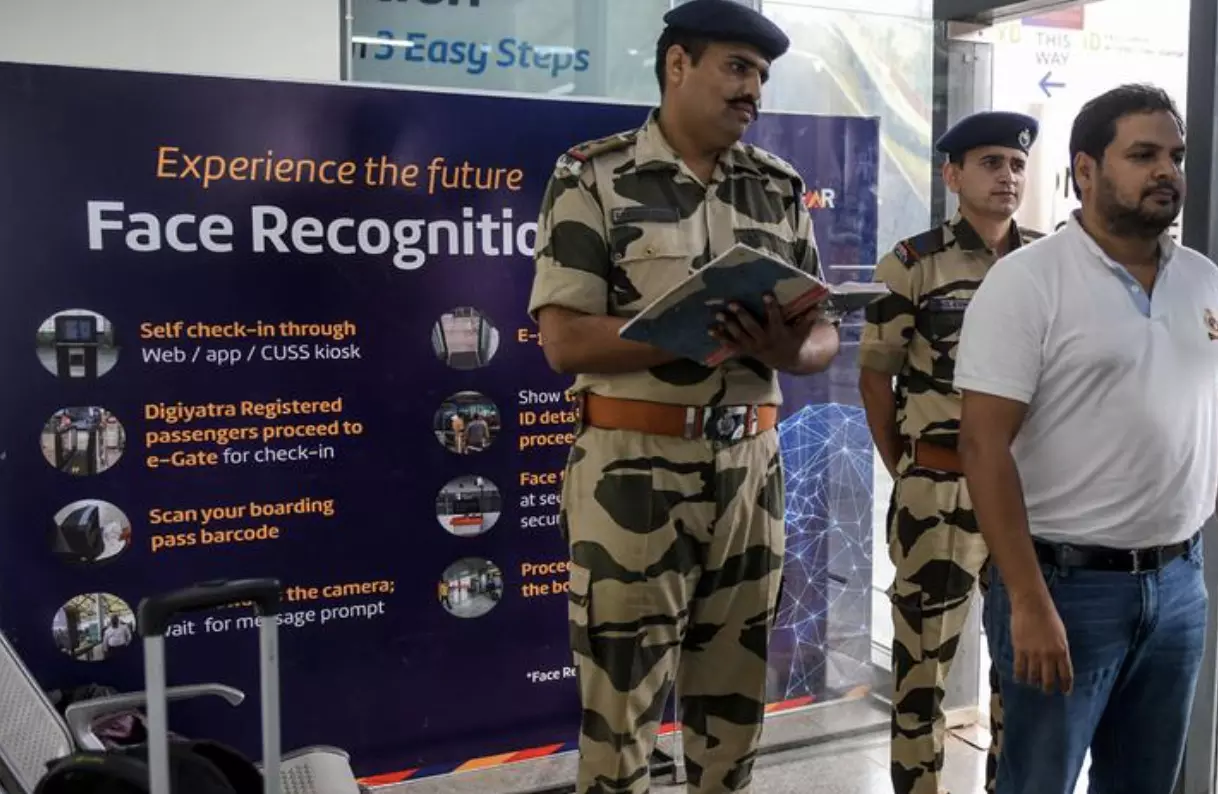
Ahead of the Republic Day 2026 celebrations, Delhi Police is strengthening its security framework by deploying AI-powered smart glasses and advanced facial recognition systems to enhance real-time surveillance, threat detection, and crowd monitoring across the national capital.
As preparations intensify for the Republic Day 2026 parade, the Delhi Police is set to introduce cutting-edge artificial intelligence tools to bolster security arrangements. For the first time, AI-enabled smart glasses and enhanced facial recognition technology will be deployed as part of a comprehensive, technology-driven surveillance strategy aimed at ensuring public safety during one of the country’s most significant national events.
Additional Commissioner of Police Devesh Kumar Mahala said the force is leveraging advanced digital solutions to improve situational awareness and response capabilities. He confirmed that all CCTV cameras along the parade route and across key locations will be equipped with video analytics and Facial Recognition Systems (FRS), enabling faster and more accurate identification of suspects.
“There are various types of video analytics, and we will utilise them fully. This year, we are also using specially developed cameras and wearable smart glasses,” Mahala said, underlining the shift towards technology-led policing.
According to officials, selected Delhi Police personnel deployed along the Republic Day parade route will wear the AI-enabled smart glasses while on duty. These wearable devices are designed to assist officers in monitoring crowds, scanning faces in real time, and identifying potential threats without disrupting public movement.
Explaining the capabilities of the system, Mahala said multiple algorithms have been integrated into standalone platforms that can identify wanted individuals even if they attempt to conceal their identity. “Even if someone is wearing makeup, a mask, a cap, or has altered their appearance with a beard or hairstyle, our algorithms can identify them,” he said.
The technology has been trained on a diverse dataset, enabling recognition of individuals using old photographs or recent images. “Whether the photo is 20 years old or recent, whether the person has a beard, long hair, or even a cut on the face, the system is capable of accurate identification,” Mahala added.
A key focus of the deployment is data security and privacy. Police officials clarified that the facial recognition cameras and smart glasses will operate on standalone systems that are not connected to the internet. Each device will store encrypted data locally on mobile phones linked to the wearable glasses, ensuring controlled access and minimising cybersecurity risks.
The smart glasses are equipped with built-in cameras connected to a dedicated mobile application and a database containing records of around 65,000 criminals. As officers scan faces in real time, the system immediately alerts them if a match is detected, enabling swift action on the ground.
In addition to facial recognition, the wearable devices also feature thermal scanning capabilities. This function can help identify concealed weapons or suspicious objects, adding another layer of security during large public gatherings.
Beyond technological surveillance, Delhi Police has also rolled out extensive physical security measures. Around 10,000 police personnel will be deployed in the New Delhi district alone for Republic Day duties. Authorities have installed more than 3,000 CCTV cameras and established over 30 control rooms to monitor live feeds and coordinate rapid responses.
Security protocols will include three layers of physical checks for pedestrians entering sensitive zones, along with similar screening measures for vehicles. These steps aim to ensure smooth crowd movement while maintaining strict vigilance throughout the celebrations.
Officials said the integration of AI-driven tools with traditional policing methods reflects Delhi Police’s broader push towards smart, predictive, and preventive security. The use of smart glasses during Republic Day 2026 is expected to serve as a pilot for wider adoption of wearable AI technologies in future high-security events.





